
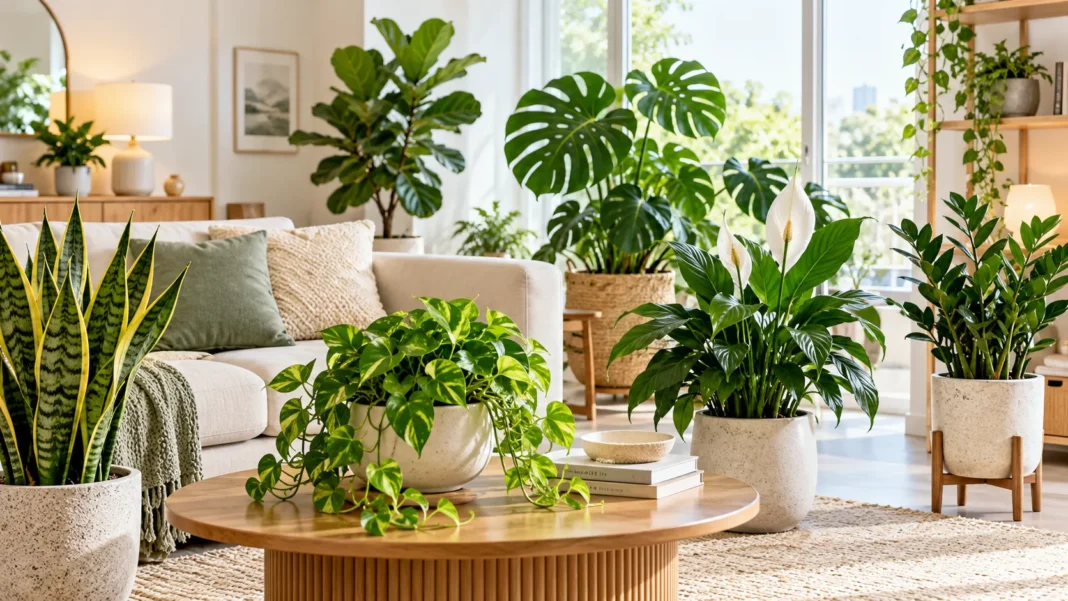

Indoor plants can transform ordinary rooms into fresh, welcoming spaces without requiring expensive renovations or complicated decorating techniques. Their natural colors, interesting leaf shapes, and attractive textures bring visual balance to living rooms, bedrooms, offices, and kitchens. Choosing the best indoor plants for cleaner-looking spaces can help make your home feel organized, comfortable, and connected to nature.
Houseplants work particularly well in modern interiors because they soften sharp furniture edges and add life to otherwise empty corners. Whether you prefer elegant leafy plants, compact tabletop greenery, or dramatic floor plants, there are suitable options for different room sizes. A carefully selected arrangement can create a polished appearance without overwhelming the surrounding furniture or decorative elements.
Although indoor plants are sometimes promoted as natural air purifiers, ordinary houseplant arrangements cannot replace proper ventilation or effective air filtration. Their most noticeable household benefits involve visual appeal, decorating flexibility, and the pleasure of caring for living greenery.
Why Indoor Plants Make Rooms Look Cleaner and More Organized
Indoor plants introduce natural structure into rooms that might otherwise feel visually crowded or unfinished. Their leaves create gentle contrasts against walls, furniture, and decorative accessories, making interiors appear more balanced. A well-placed plant can also draw attention toward an attractive corner or architectural feature instead of allowing small amounts of visual clutter to dominate the space.
Greenery works especially well when combined with simple furniture arrangements and consistent decorative colors. Matching planters, uncluttered surfaces, and thoughtful spacing help create a cohesive appearance throughout the home. Instead of filling every available shelf with ornaments, one healthy plant can provide an appealing decorative feature while keeping the surrounding area visually calm.
However, adding too many plants can make a room appear crowded rather than organized. The most effective approach involves selecting a few suitable varieties and allowing enough space for their natural shapes to stand out. Clean leaves, tidy containers, and regular maintenance also contribute to the fresh appearance that makes indoor greenery attractive.
1. Snake Plant for a Minimalist Interior
The snake plant, commonly known as Dracaena trifasciata, is a popular indoor plant with upright, sword-shaped leaves. Its structured growth pattern makes it particularly suitable for minimalist rooms, modern apartments, and compact bedrooms. The tall foliage adds vertical interest without spreading widely, allowing it to fit beside furniture or within narrow decorative corners.
Snake plants generally tolerate a range of indoor light conditions, although they grow best with suitable indirect light. Their thick leaves store moisture, making them more forgiving of occasional missed watering than many delicate houseplants. Allowing the potting mix to dry between waterings helps reduce the risk of root problems caused by excess moisture.
A simple ceramic planter can enhance the snake plant’s architectural appearance while complementing contemporary furniture. Place it near an entryway, beside a sofa, or in an uncluttered bedroom corner for a polished effect. Households with cats or dogs should remember that snake plants are toxic if pets chew or swallow them.
2. Peace Lily for Elegant Indoor Greenery
Peace lilies are valued for their glossy green foliage and distinctive white flower-like structures called spathes. Their graceful appearance makes them attractive additions to living rooms, home offices, and softly decorated interiors. A healthy peace lily can become a natural focal point without requiring elaborate decorative arrangements or additional furniture.
These tropical plants generally prefer bright, indirect light and evenly moist but well-draining potting soil. Excessive direct sunlight may damage their leaves, while prolonged dryness can cause noticeable drooping. Check soil moisture regularly and provide water when appropriate rather than following a rigid schedule that ignores changing indoor conditions.
Peace lilies look particularly attractive in neutral-colored pots placed on plant stands or decorative side tables. Their dark foliage creates contrast against light walls and simple wooden furniture. However, peace lilies contain calcium oxalate crystals that can irritate the mouth if eaten, making careful placement important in homes with curious pets.
3. Spider Plant for Bright and Airy Rooms
Spider plants are recognizable by their long, arching leaves, often featuring green and cream-colored stripes. Their flowing growth habit creates a light decorative effect that suits shelves, hanging baskets, and compact living areas. These plants are particularly useful when you want greenery without introducing a large container that occupies valuable floor space.
Spider plants generally prefer bright, indirect sunlight and well-draining soil that does not remain constantly saturated. They can develop small plantlets on trailing stems, giving mature specimens an attractive cascading appearance. Consistent but moderate watering and occasional removal of damaged leaves help maintain a healthy, tidy display.
A hanging spider plant can soften empty wall areas or create visual interest near a window. Its trailing foliage looks appealing against simple backgrounds, especially when the surrounding surfaces remain uncluttered. Spider plants are generally considered non-toxic to cats and dogs, making them a useful option for many pet-friendly households.
4. ZZ Plant for Low-Maintenance Modern Spaces
The ZZ plant, or Zamioculcas zamiifolia, features thick stems and glossy leaves that create a clean, symmetrical appearance. Its polished foliage works well with modern furniture, neutral interiors, and simple decorative arrangements. Because the plant maintains an attractive shape without frequent pruning, it suits people who prefer straightforward indoor gardening routines.
ZZ plants tolerate lower indoor light levels, although moderate indirect light generally supports better growth. Their underground rhizomes store water, allowing the plants to withstand periods of dry soil. Overwatering is a more common problem than underwatering, so allow the potting mixture to dry sufficiently before adding more moisture.
A ZZ plant can look particularly elegant in a matte black, white, or natural stone planter. Place it beside a desk, near a bookcase, or in a suitable living room corner. Like several popular indoor foliage plants, ZZ plants contain irritating compounds and should be kept away from pets that chew household greenery.
5. Pothos for Beautiful Trailing Greenery
Pothos is a versatile houseplant known for its heart-shaped leaves and attractive trailing vines. Depending on the variety, the foliage may feature solid green, golden, white, or cream-colored patterns. Its flexible growth habit makes pothos useful for decorating shelves, cabinets, and elevated spaces without adding bulky furniture.
Pothos generally grows well in bright, indirect light but can tolerate somewhat lower light conditions. Water the plant when the upper portion of its potting mix becomes dry, and avoid leaving its roots in standing water. Occasional pruning helps control vine length and encourages a more compact appearance when desired.
For a cleaner-looking interior, allow pothos vines to trail neatly from a shelf rather than spreading across several unrelated surfaces. You can also train the vines around a suitable plant support for a more structured display. Pothos is toxic to cats and dogs if ingested, so select placement locations carefully.
6. Rubber Plant for a Sophisticated Living Room
Rubber plants feature broad, glossy leaves that add a bold decorative element to contemporary interiors. Their deep green or burgundy foliage creates attractive contrast against pale walls, wooden furniture, and neutral textiles. A well-maintained rubber plant can function as a statement piece, reducing the need for several smaller decorations.
Rubber plants generally prefer bright, indirect light and soil that dries slightly between watering sessions. Their large leaves can collect visible dust, so wiping them gently with a damp cloth helps maintain their natural appearance. Regular inspection also makes it easier to notice pests, damaged foliage, or changes in growing conditions.
Place a rubber plant in a suitable corner where its foliage has enough space to develop naturally. A simple floor planter can enhance its appearance without distracting attention from the plant itself. Rubber plants release a milky latex sap that may irritate skin and is unsuitable for pets to ingest.
7. Areca Palm for a Relaxed Tropical Appearance
Areca palms have graceful, feathery fronds that bring movement and softness into indoor spaces. Their light green foliage creates a relaxed tropical atmosphere without the heavy visual appearance of some broad-leaved plants. These palms work particularly well in spacious bedrooms, living rooms, and bright areas with simple furniture arrangements.
Areca palms typically perform best in bright, indirect light with consistent moisture and good drainage. Excessively dry indoor air may contribute to brown leaf tips, while saturated soil can damage the root system. Maintaining suitable growing conditions and removing completely damaged fronds helps preserve their attractive, airy appearance.
An areca palm can fill an otherwise empty floor area while maintaining an open, natural feeling. Choose a container proportional to the plant’s height and allow room for the fronds to spread. Areca palms are generally considered non-toxic to cats and dogs, making them appealing for many households with pets.
8. Monstera for Stylish Contemporary Interiors
Monstera deliciosa is recognized for its large leaves, which develop distinctive splits and openings as the plant matures under suitable conditions. This unusual foliage makes it a popular decorative choice for contemporary living rooms and creative home offices. A single healthy monstera can provide visual interest without requiring numerous additional accessories.
Monstera plants generally prefer bright, indirect light and a well-draining potting mixture. They also benefit from appropriate climbing support as they grow larger and develop heavier stems. Watering should reflect soil moisture rather than a fixed calendar, since excessive moisture can contribute to unhealthy roots and declining foliage.
For an organized appearance, position monstera in a spacious corner where its leaves can develop without covering walkways or furniture. A simple planter and sturdy support help maintain a purposeful display. Monstera contains calcium oxalate crystals that can cause irritation if chewed by pets or children.
9. Boston Fern for Soft, Natural Texture
Boston ferns have delicate, arching fronds that create a soft and inviting decorative effect. Their finely divided foliage adds texture to rooms dominated by smooth surfaces, straight furniture lines, and neutral colors. These plants are attractive in hanging baskets, plant stands, and elevated positions where their natural shape can develop freely.
Boston ferns generally prefer indirect light, consistent soil moisture, and relatively humid growing conditions. They may develop dry, brown fronds when exposed to very dry indoor air or irregular watering. Checking moisture frequently and maintaining appropriate humidity can help keep the foliage full and healthy.
A Boston fern looks particularly appealing near a bright bathroom window or in another suitably humid area. Its flowing shape provides a natural contrast to tiled surfaces and simple decorative arrangements. Boston ferns are generally non-toxic to cats and dogs, although plant debris should still be cleaned regularly.
10. Chinese Evergreen for Colorful Indoor Foliage
Chinese evergreen plants, commonly called Aglaonema, offer attractive patterned foliage in shades of green, silver, cream, and sometimes pink or red. These leaf variations can add subtle color to rooms without requiring bright flowers or complicated decorative combinations. Their relatively compact growth makes them suitable for side tables, cabinets, and smaller interior spaces.
Many green Aglaonema varieties tolerate moderate to lower indoor light, while colorful varieties often need brighter indirect light to maintain their patterns. They prefer a well-draining potting mixture and should not remain in waterlogged soil. Avoid prolonged exposure to cold drafts, which can damage these tropical plants.
Choose a planter that complements the dominant colors of your room rather than competing with the foliage. One Chinese evergreen can create an attractive tabletop display when positioned away from excessive decorative clutter. These plants contain calcium oxalate crystals and should remain inaccessible to pets that may chew their leaves.
11. Parlor Palm for Small Bedrooms and Offices
The parlor palm is a compact tropical houseplant known for its slender stems and finely divided green leaves. Its delicate appearance makes it suitable for smaller rooms where large floor plants would create visual crowding. The plant provides gentle decorative texture while complementing traditional, modern, and minimalist interior styles.
Parlor palms usually perform well in moderate indirect light and can tolerate somewhat lower lighting conditions. Allow the upper portion of the soil to dry slightly between waterings, while avoiding prolonged waterlogging. Their generally slow growth makes them manageable for people who prefer plants that do not require frequent repotting.
A parlor palm can sit comfortably on a suitable side table or decorative plant stand. Its foliage looks attractive against light-colored walls and simple furniture arrangements. The species is generally considered non-toxic to cats and dogs, making it a practical choice for households seeking pet-friendly indoor greenery.
12. Cast Iron Plant for Low-Light Corners
The cast iron plant, Aspidistra elatior, is known for its broad, dark green leaves and tolerance of challenging indoor conditions. Its upright, relatively restrained growth habit works well in rooms where a simple decorative appearance is preferred. The plant can add greenery to suitable lower-light areas that may not support more demanding varieties.
Cast iron plants tolerate low to moderate indirect light, although they still require adequate natural or artificial illumination for long-term growth. They prefer well-draining soil and generally tolerate occasional dry periods better than persistent overwatering. Avoid strong direct sunlight that may scorch the foliage and reduce its decorative appeal.
Position a cast iron plant near furniture where its leaves can stand upright without being repeatedly brushed or damaged. A plain ceramic container complements its understated appearance and helps create a cohesive interior. Cast iron plants are generally considered non-toxic to cats and dogs, adding to their appeal for shared living spaces.
13. Aloe Vera for Simple and Attractive Tabletop Decor
Aloe vera is a recognizable succulent with thick, pointed leaves arranged in an attractive rosette shape. Its sculptural appearance makes it suitable for sunny windowsills, small tables, and simple decorative displays. Unlike spreading foliage plants, aloe vera maintains a relatively compact shape that works well in rooms where available space is limited.
Aloe vera generally requires bright light and well-draining soil to remain healthy indoors. Its fleshy leaves store moisture, so the potting mixture should dry between watering sessions. Excessive watering can damage the roots, making a container with proper drainage especially important for maintaining healthy growth and preventing unpleasant soil conditions.
A small aloe vera plant looks attractive in a plain terracotta or ceramic container. Place it near a sufficiently bright window without overcrowding the surrounding surface with other decorations. Although aloe vera is commonly used in household products, the living plant can be toxic to cats and dogs if ingested.
How to Arrange Indoor Plants for Cleaner-Looking Spaces
Thoughtful plant placement is essential for creating an organized interior rather than a crowded collection of greenery. Start by identifying empty corners, open shelves, and surfaces that could benefit from a natural decorative accent. Select plants according to available light, mature size, and the amount of space needed for comfortable movement throughout the room.
Combining plants with different heights can create visual balance without requiring numerous decorative accessories. For example, a tall rubber plant can complement a smaller tabletop parlor palm and a neatly arranged trailing plant. Choose containers with coordinated colors or materials to create a consistent appearance that connects different areas of the room.
Avoid placing plants where their leaves interfere with walkways, doors, or frequently used furniture. Leave enough room around containers for watering, cleaning, and routine plant maintenance. Keeping surrounding surfaces uncluttered allows each plant to become a deliberate decorative feature instead of another object contributing to unnecessary visual complexity.
Easy Indoor Plant Care Tips for a Fresh Appearance
Maintaining healthy indoor plants requires understanding their individual lighting, watering, and soil requirements. Not every houseplant benefits from the same care schedule, even when displayed in similar containers. Checking soil moisture regularly and observing foliage condition helps prevent common problems such as yellowing leaves, excessive dryness, and root damage caused by overwatering.
Clean foliage contributes significantly to the attractive appearance of indoor greenery. Dust can collect on broad leaves, making plants look dull and reducing the amount of light reaching their surfaces. Gently wiping suitable leaves, removing dead growth, and keeping planters clean helps maintain a fresh, organized display throughout the year.
Proper drainage is equally important because standing water can damage roots and create unwanted moisture around furniture. Use containers with drainage holes and protect decorative surfaces with suitable saucers or waterproof barriers. Periodically inspect plants for pests, evaluate their growing conditions, and reposition them when seasonal lighting changes affect their health.
Conclusion
The best indoor plants for cleaner-looking spaces combine attractive foliage, manageable care requirements, and suitable growth habits. Snake plants, spider plants, ZZ plants, palms, and other decorative varieties can add natural character to different rooms. Choosing plants that complement your furniture and available space helps create a more balanced and visually appealing environment.
Successful indoor plant decoration depends on thoughtful placement rather than filling every corner with greenery. Coordinated containers, tidy shelves, and healthy foliage contribute to a simple, welcoming appearance. Remember that houseplants primarily offer decorative benefits and should not be treated as replacements for proper ventilation, household cleaning, or effective air filtration.
Whether you live in a small apartment or a spacious house, indoor plants can make everyday surroundings feel more inviting. Begin with varieties suited to your lighting conditions, available time, and household needs. With consistent care and a thoughtful arrangement, you can enjoy beautiful greenery while maintaining a comfortable, organized home.
Frequently Asked Questions (FAQs)
Which indoor plants are best for cleaner-looking rooms?
Snake plants, ZZ plants, spider plants, rubber plants, and parlor palms are attractive options. Their distinctive foliage and manageable growth habits can complement organized interiors without requiring elaborate decorative arrangements.
Do indoor plants actually purify the air?
Some plants can remove certain pollutants under laboratory conditions, but ordinary houseplant arrangements have limited effects on indoor air quality. Good ventilation, pollution source control, and suitable filtration are more effective.
What are the easiest indoor plants to maintain?
Snake plants, ZZ plants, pothos, and cast iron plants are generally low-maintenance choices. They tolerate some variation in growing conditions, although all require appropriate lighting, suitable soil, and careful watering.
Which indoor plants are safe for pets?
Spider plants, Boston ferns, parlor palms, areca palms, and cast iron plants are generally considered non-toxic to cats and dogs. Always verify the exact plant species before bringing it home.
How many indoor plants should I keep in a small room?
There is no fixed number of plants needed for a small room. Start with one to three appropriately sized plants, then adjust the arrangement according to available space, lighting, and maintenance needs.


[…] Best Indoor Plants for Cleaner-Looking Spaces […]