
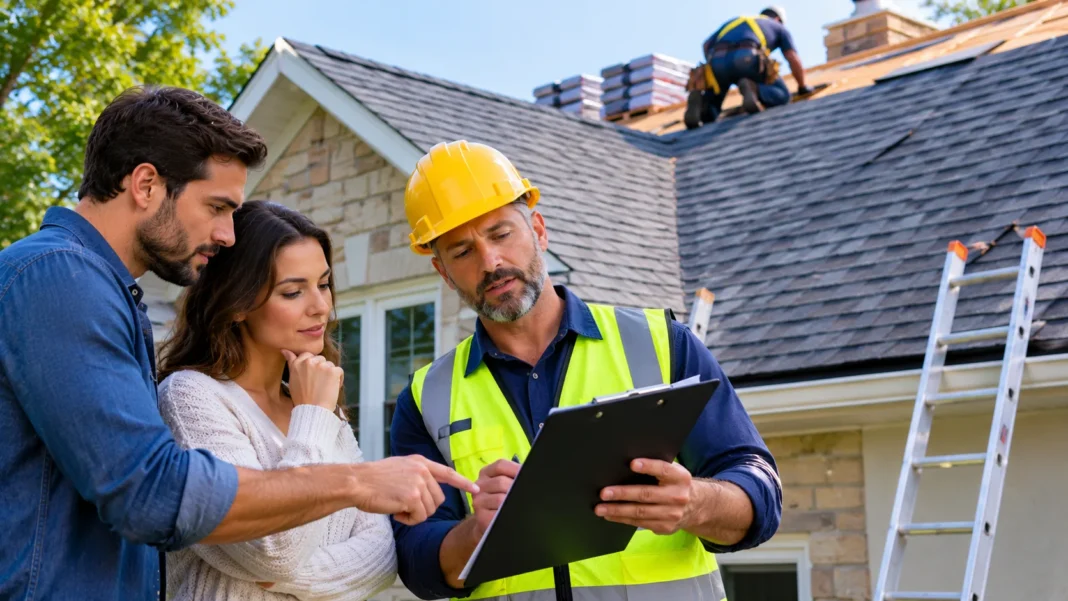

The cost of a new roof averages around $9,600 in the United States in 2026. A typical asphalt shingle roof replacement costs approximately $5,700 to $16,000, depending on roof size, materials, labor, and existing damage.
Replacing your roof is a significant investment, but it does not have to become a financial nightmare. Understanding the expenses involved can help you compare estimates, avoid unexpected charges, and make informed decisions. This guide explains everything you need to know before hiring a roofing contractor.
How Much Does a New Roof Cost?
Many homeowners struggle to establish a realistic roofing budget because prices vary considerably. Two houses with similar floor areas can have completely different roofing expenses. Roof design, material selection, and installation requirements all influence the final price.
The average roof replacement cost ranges from approximately $4 to $11 per square foot across many common projects. Premium roofing materials and complicated installations can exceed this range. Local labor rates also affect the overall expense.
Here is an illustrative cost breakdown based on actual roof surface area:
| Roof Size | Estimated Replacement Cost |
|---|---|
| 1,000 sq. ft. | $4,000–$11,000 |
| 1,500 sq. ft. | $6,000–$16,500 |
| 2,000 sq. ft. | $8,000–$22,000 |
| 2,500 sq. ft. | $10,000–$27,500 |
| 3,000 sq. ft. | $12,000–$33,000 |
Remember that your home’s floor area is not necessarily the same as its roof surface area. Roof slopes, overhangs, and architectural features can increase the required materials. Request professional measurements before establishing your final budget.
What Factors Affect the Cost of a New Roof?
Receiving different estimates from multiple contractors can feel confusing. However, roofing companies consider several factors when calculating their prices. Understanding these factors helps you determine whether an estimate is reasonable.
Roof Size
Larger roofs require more materials, labor, and installation time. Contractors often calculate roofing expenses using a measurement called a roofing square. One roofing square equals 100 square feet of roof surface.
Roofing Materials
The type of roofing material significantly affects your total expense. Asphalt shingles are generally more affordable than metal, clay tiles, and natural slate. Each material has different durability and maintenance requirements.
Roof Pitch and Design
Steep roofs require additional safety equipment and specialized installation methods. Roofs with multiple slopes, chimneys, valleys, and skylights also require more detailed work. These features can increase labor expenses.
Existing Roof Condition
An aging roof may have underlying moisture damage or weakened wooden decking. Contractors might discover these problems after removing existing materials. Repairing damaged structures can increase the original estimate.
Geographic Location
Roofing prices vary depending on regional labor rates, material availability, and local building requirements. Areas frequently affected by severe weather may require specialized roofing systems. These requirements can increase installation costs.
How Much Does a New Roof Cost by Material?
Choosing roofing materials based only on their appearance can lead to unexpected expenses. Some materials are affordable initially but require more frequent replacement. Others cost more upfront but may provide longer service life.
Compare roofing materials according to their installation costs, maintenance requirements, and suitability for your local climate. The right choice should balance your available budget with your property’s long-term needs.
| Roofing Material | Estimated Installed Cost per Sq. Ft. |
|---|---|
| Standard asphalt shingles | $3–$5 |
| Architectural shingles | $4–$6 |
| Metal roofing | $5–$16 |
| Clay or concrete tiles | $7–$25 |
| Natural slate | $10–$30 |
| Flat roofing systems | $3–$11 |
These approximate prices are national market estimates rather than guaranteed contractor rates. Additional structural work or specialized installation can increase expenses.
Asphalt Shingles
Asphalt shingles are a popular option for homeowners seeking affordable roof replacement. They are widely available and generally require less specialized installation than premium materials. Architectural shingles offer additional design variety and durability.
Metal Roofing
Metal roofs typically require a larger initial investment than asphalt shingles. However, they can provide long service life and good weather resistance when properly installed. They may be worth considering for homeowners planning to remain in their properties for many years.
Clay and Concrete Tiles
Tile roofing provides an attractive appearance and can perform well in suitable climates. However, these materials are considerably heavier than many alternatives. A structural assessment may be necessary before installation.
Slate Roofing
Natural slate offers distinctive appearance and exceptional potential longevity. Its high material and installation costs make it a premium option. Specialized contractors and additional structural support may be required.
How Much Does Roofing Labor Cost?
Many homeowners focus on material prices and underestimate installation expenses. However, roofing labor represents a substantial portion of the overall project. Difficult installation conditions can increase the amount of work required.
Roofing labor for common shingle installations may cost approximately $1.50 to $3 per square foot. Specialized materials, complex roof designs, and challenging access conditions can increase this amount. Removing an existing roof may involve separate labor charges.
Roofing labor expenses commonly cover:
- Removing existing roofing materials.
- Preparing the roof surface.
- Installing protective underlayment.
- Fitting new roofing materials.
- Installing flashing and ventilation components.
- Completing project cleanup.
Ask contractors to separate labor and material expenses in their written estimates. This makes comparing different proposals easier and helps you understand exactly what you are paying for.
8 Hidden Costs of Roof Replacement You Should Know
Receiving an unexpected bill halfway through a roofing project can be financially stressful. Some additional costs are difficult to identify until contractors remove existing materials. Others arise because important services were excluded from the original estimate.
Understanding these potential expenses helps you prepare a more realistic budget. Ask your contractor about each of the following costs before signing an agreement.
1. Old Roof Removal
Removing existing roofing materials requires additional time, equipment, and labor. Multiple layers of old shingles can increase removal expenses. Ask whether the contractor’s estimate includes removing every existing roofing layer.
2. Damaged Roof Decking
Roof decking is the underlying surface that supports roofing materials. Long-term moisture exposure can weaken or damage this structure. Request a written price for replacing damaged decking before installation begins.
3. Building Permits
Some local authorities require permits for roof replacement projects. Permit expenses vary depending on your location and project requirements. Confirm whether your contractor will obtain necessary permits and include their costs.
4. Waste Removal and Disposal
Removing an old roof produces considerable amounts of construction waste. Dumpster rental, transportation, and disposal charges may increase your final bill. Check whether these services are included in the original estimate.
5. Flashing Replacement
Flashing helps prevent water from entering vulnerable areas around chimneys, roof valleys, and skylights. Existing flashing may be damaged or unsuitable for the new roofing system. Replacing it can add material and labor expenses.
6. Ventilation Upgrades
Poor attic ventilation can contribute to moisture accumulation and excessive heat. Your roofing contractor may recommend additional ventilation components during replacement. Local building requirements and manufacturer instructions may also require upgrades.
7. Structural Repairs
Hidden water damage may affect more than the roofing surface. Damaged rafters, fascia boards, or other structural components could require additional repairs. Significant structural problems may require assessment by a qualified specialist.
8. Gutter and Skylight Work
Roof replacement may involve temporarily removing gutters or working around existing skylights. Damaged components might require repairs or replacement. Clarify whether these services are included or charged separately.
Roof Repair vs. Replacement: Which Is More Affordable?
Discovering a roof leak does not always mean you need an entirely new roof. Some contractors may recommend replacement when a smaller repair could address the issue. Understanding your roof’s condition helps prevent unnecessary spending.
Minor problems involving isolated leaks, damaged flashing, or a few missing shingles may be suitable for professional repairs. However, widespread deterioration or repeated leaks may indicate that replacement is more economical over time.
| Roof Repair | Roof Replacement |
|---|---|
| Generally lower initial cost | Higher initial investment |
| Addresses specific damage | Replaces the existing roofing system |
| Suitable for localized problems | Suitable for widespread deterioration |
| May extend roof service life | Provides a new roofing surface |
| Usually shorter project duration | Requires more extensive work |
Request a professional inspection before making your decision. If the recommended solution seems unnecessarily expensive, obtain a second independent assessment.
How to Calculate Your Roof Replacement Budget
Starting a roofing project without knowing your maximum budget can lead to difficult financial decisions. A basic cost estimate provides a useful starting point. However, your final budget should also account for unexpected repairs.
Ask a professional to determine your actual roof surface area. Multiply that measurement by an estimated installed cost per square foot. Then review which services are included before adding a contingency allowance.
Consider this example for a hypothetical 2,000-square-foot roof:
| Expense | Estimated Cost |
|---|---|
| Materials | $4,000 |
| Installation labor | $4,000 |
| Old roof removal and disposal | $1,200 |
| Permits | $300 |
| Additional roofing components | $500 |
| Subtotal | $10,000 |
| Emergency allowance (15%) | $1,500 |
| Total planned budget | $11,500 |
This example is for budgeting purposes and does not represent a guaranteed contractor quote. Keeping an additional 10% to 20% available for unexpected expenses can provide greater financial flexibility.
7 Practical Tips to Reduce the Cost of a New Roof
Roof replacement can place considerable pressure on household finances. Fortunately, reducing expenses does not always mean sacrificing material quality. Careful planning and informed comparisons can help you find better value.
1. Compare Multiple Roofing Estimates
Request detailed estimates from at least three reputable roofing contractors. Make sure each estimate includes comparable materials, installation services, and warranty terms. Choosing the lowest price without reviewing the details could lead to additional expenses.
2. Choose Affordable Roofing Materials
Premium roofing materials are not necessary for every property. Architectural asphalt shingles may provide a practical balance between durability, appearance, and affordability. Choose materials suitable for your climate and roof design.
3. Schedule Replacement During Quieter Periods
Roofing companies may experience lower demand during certain months. Some contractors offer more competitive pricing when their schedules are less busy. However, never postpone urgent repairs simply to obtain seasonal savings.
4. Address Minor Problems Early
Small roof leaks can eventually damage insulation, ceilings, and structural components. Arranging professional repairs when problems first appear may prevent more expensive damage. Regular inspections can help identify developing issues.
5. Avoid Unnecessary Upgrades
Contractors may recommend premium finishes, decorative features, or extended warranty packages. Review whether these additions provide meaningful value for your property. Prioritize essential protection and installation quality.
6. Get Every Expense in Writing
Verbal estimates can create misunderstandings once construction begins. Request an itemized agreement covering materials, labor, permits, disposal, and potential additional work. Written documentation makes unexpected charges easier to evaluate.
7. Invest in Quality Workmanship
Choosing an inexperienced contractor simply because their price is lower can become expensive later. Poor installation may contribute to leaks, premature deterioration, and warranty problems. Select qualified professionals with appropriate insurance and reliable references.
Does Homeowners Insurance Cover a New Roof?
Many homeowners expect their insurance provider to pay for roof replacement. Unfortunately, coverage depends on the cause of damage and the specific policy. Ordinary aging and maintenance problems are generally not covered.
Homeowners insurance may cover roof damage caused by insured events such as hailstorms, falling trees, or severe wind. However, deductibles, exclusions, depreciation, and coverage limits can affect the amount you receive.
Before arranging insurance-related roofing work:
- Review your insurance policy.
- Document visible damage from a safe location.
- Contact your insurance provider.
- Request a professional damage assessment.
- Confirm your deductible and coverage limits.
Avoid accepting promises that an insurance company will automatically pay the entire replacement cost. Obtain written confirmation from your insurer before making major financial commitments.
How to Choose a Reliable Roofing Contractor
Hiring the wrong roofing contractor can turn a manageable project into an expensive problem. Incomplete installations, poor communication, and unexpected charges may leave homeowners frustrated. Researching contractors beforehand helps reduce these risks.
Start by checking relevant licensing requirements and requesting proof of insurance. Read customer reviews, ask for recent project references, and examine the contractor’s written proposal. Confirm who will supervise the installation.
A reliable roofing agreement should include:
- Detailed description of the work.
- Roofing material specifications.
- Total project cost.
- Payment schedule.
- Estimated project duration.
- Permit and disposal responsibilities.
- Material and workmanship warranties.
- Procedures for approving additional expenses.
Avoid contractors who pressure you to sign immediately or demand full payment before starting work. Take enough time to understand the agreement and compare available options.
How Long Does It Take to Install a New Roof?
Roof replacement can disrupt your household routine, especially when you work from home. Knowing the expected installation timeline helps you prepare for noise, restricted access, and temporary inconvenience.
Many straightforward residential asphalt roofing projects can take one to three days. Larger properties, specialized materials, structural repairs, and unfavorable weather may extend the timeline. Permit approvals and material deliveries can also affect the schedule.
Ask your contractor for an estimated start and completion date. Keep children and pets away from construction areas while the work takes place. A flexible schedule can make unexpected delays easier to manage.
Is a New Roof Worth the Investment?
Spending thousands of dollars on a roof may feel overwhelming, particularly when other home improvements compete for your budget. However, roofing plays an important role in protecting your property’s interior and structure.
A professionally installed roof can help prevent water damage, improve weather protection, and enhance your home’s appearance. Appropriate roofing materials and ventilation may also support indoor comfort.
A new roof may provide several long-term benefits:
- Better protection against weather damage.
- Reduced risk of recurring leaks.
- Improved property appearance.
- Potential improvement in resale appeal.
- Reduced maintenance needs for a period.
- Greater confidence in your home’s condition.
The financial value of roof replacement depends on installation quality, material selection, and local property market conditions. Focus on protecting your home rather than expecting to recover every dollar through resale.
Conclusion
Understanding the cost of a new roof helps you prepare for one of the most significant home improvement expenses. Roofing materials, labor, property size, and installation complexity all influence the final price. Hidden expenses can also increase your original estimate.
Fortunately, careful planning can help you stay within a realistic budget. Compare detailed contractor proposals, choose suitable materials, and maintain additional funds for unexpected repairs. Never sacrifice essential installation quality simply to save money.
Start by scheduling a professional roof inspection and requesting three itemized estimates. Compare their services, warranties, and potential additional charges before making your decision. A well-planned roof replacement can protect your property and prevent unnecessary financial stress.
Frequently Asked Questions
1. What is the average cost of a new roof?
The average roof replacement cost in the United States is approximately $9,600 in 2026. Actual prices depend on roofing materials, surface area, regional labor rates, and existing damage.
2. How much does a new roof cost for a 2,000-square-foot house?
A roof with 2,000 square feet of surface area may cost approximately $8,000 to $22,000 at common installation rates. The home’s floor area alone cannot determine the exact roofing cost.
3. What is the cheapest material for a new roof?
Standard asphalt shingles are generally among the most affordable roofing materials for suitable sloped roofs. They offer relatively low installation costs and broad availability compared with metal, tile, and slate.
4. What hidden fees should I expect when replacing a roof?
Potential hidden costs include damaged decking, building permits, waste disposal, flashing replacement, ventilation upgrades, and structural repairs. Request an itemized estimate to identify which expenses are already included.
5. How can I save money on a new roof?
Compare multiple contractor estimates, select suitable materials, address minor damage early, and avoid unnecessary upgrades. Maintain a contingency budget to manage unexpected expenses without compromising installation quality.

