
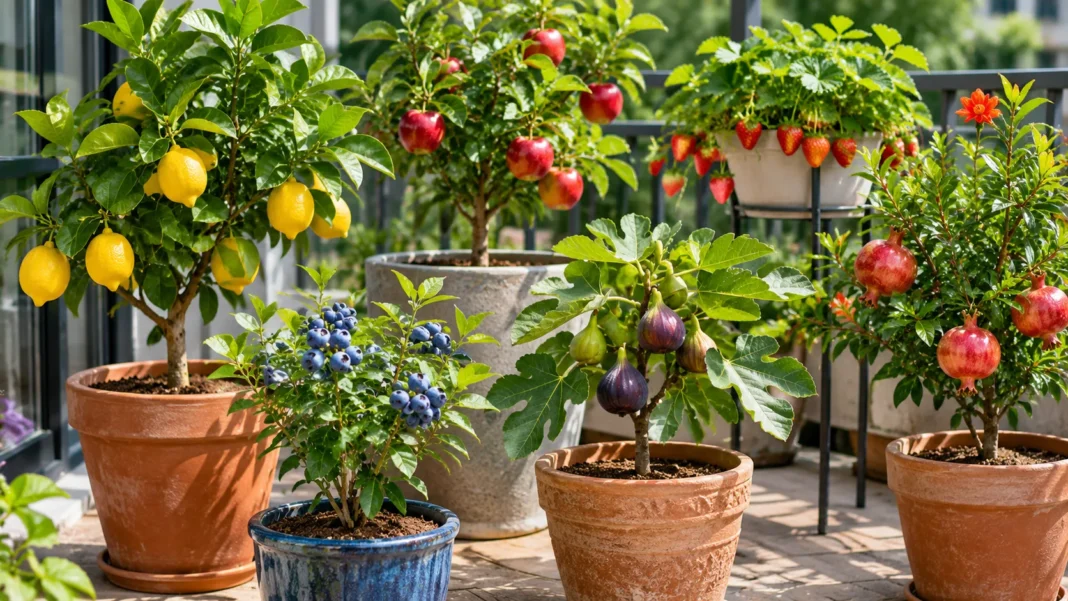

Growing fresh fruit at home does not require a large backyard or a traditional garden. Many fruit plants grow successfully in containers, making them suitable for balconies, patios, terraces, and other compact spaces. With the right plants and proper care, even a small outdoor area can become a productive fruit garden.
Choosing the best fruit plants to grow in containers is important because not every fruit tree or shrub adapts well to restricted growing space. Some varieties naturally remain compact, while others need regular pruning or larger pots to support healthy development. Understanding sunlight, watering, soil, and drainage requirements can help you avoid common growing problems.
Why Grow Fruit Plants in Containers?
Container gardening allows people with limited outdoor space to enjoy growing fresh fruit. Instead of planting directly in the ground, you can use pots, planters, or other suitable containers. This makes fruit gardening possible on balconies, patios, terraces, and small residential spaces where traditional garden beds may not be available.
Another advantage is greater control over growing conditions. You can select soil mixtures that suit particular plants, adjust watering routines, and move containers when seasonal conditions change. This flexibility is especially useful for fruit plants that require protection from extreme temperatures or specific soil conditions.
Growing fruit in pots can also make routine maintenance more convenient. Pruning, feeding, checking for pests, and harvesting become easier when plants remain within reach. Although container gardening requires regular attention, it offers a practical way to grow edible plants without maintaining a large garden.
What Makes a Fruit Plant Suitable for Containers?
The best fruit plants for containers usually have compact growth habits or root systems that tolerate restricted space. Dwarf fruit trees, small berry bushes, and naturally low-growing plants are particularly suitable. These varieties can produce fruit without requiring the same growing area as full-sized orchard trees.
Container-friendly fruit plants should also respond well to regular pruning and controlled feeding. Some fruit trees naturally grow large but can remain manageable when grafted onto suitable dwarfing rootstocks. Selecting varieties specifically recommended for pot cultivation can improve your chances of successful growth and fruit production.
Climate compatibility is equally important when choosing fruit plants for pots. Some fruits require winter chilling, while others prefer warm temperatures and protection from frost. Before purchasing a plant, consider your local weather, available sunlight, container space, and the amount of maintenance you can provide.
Strawberries: One of the Easiest Fruits to Grow in Pots
Strawberries are among the most popular fruit plants for container gardening because they have relatively shallow roots and compact growth habits. They grow well in hanging baskets, window boxes, and traditional pots. Their attractive leaves, small flowers, and colorful berries also make them suitable for decorative edible gardens.
For successful growth, place strawberry containers where they receive at least six hours of direct sunlight when possible. Use well-draining potting soil and keep it consistently moist without allowing the roots to remain waterlogged. Containers with drainage holes help prevent excess water from collecting around the root system.
Strawberries benefit from regular harvesting and occasional removal of damaged leaves. Some varieties produce one main seasonal crop, while others provide additional harvests under suitable conditions. Choosing healthy plants and maintaining balanced watering can encourage steady growth and improve the quality of homegrown strawberries.
Blueberries: A Great Choice for Container Gardens
Blueberries are attractive fruit shrubs that can grow successfully in containers when their soil requirements are met. They produce flavorful berries while adding seasonal interest through flowers and changing leaf colors. Compact blueberry varieties are particularly useful for gardeners who want productive plants without needing large growing spaces.
Unlike many common garden plants, blueberries require acidic growing conditions. A suitable potting mixture designed for acid-loving plants helps support healthy roots and nutrient availability. They generally prefer a soil pH of approximately 4.5 to 5.5, making ordinary garden soil unsuitable in many situations.
Blueberries also need consistent moisture, adequate sunlight, and suitable seasonal temperatures. Many varieties require winter chilling to produce fruit reliably, although low-chill types are available for warmer climates. Some varieties benefit from growing near compatible blueberry plants, which can improve pollination and fruit production.
Dwarf Lemon Trees: Fresh Citrus in Small Spaces
Dwarf lemon trees are popular container fruit plants because they combine attractive foliage, fragrant flowers, and useful fruit. Their compact size makes them easier to manage than standard citrus trees. With suitable growing conditions, a healthy lemon tree can become a productive feature of a sunny patio or terrace.
Lemon trees generally need plenty of direct sunlight and well-draining soil. They grow best in containers that allow excess water to escape freely. Regular watering is important, but allowing the upper soil layer to dry slightly between applications can help prevent problems associated with excessive moisture.
Container-grown lemon trees also benefit from appropriate citrus fertilizer during active growth. In cooler regions, they may need protection from frost or relocation to a bright sheltered space. Pruning damaged branches and monitoring pests can help maintain healthy growth and support future flowering and fruit development.
Dwarf Orange Trees: Sweet Fruit in Containers
Dwarf orange trees are another appealing option for gardeners interested in growing citrus fruits at home. These trees can produce fragrant blossoms and colorful oranges while remaining manageable in large containers. Their evergreen leaves also provide decorative value throughout much of the year.
Orange trees require a sunny location, suitable drainage, and consistent watering to support healthy development. A container with adequate root space allows the tree to establish itself without becoming unnecessarily restricted. Using a potting mixture formulated for citrus plants can help maintain appropriate soil structure and moisture balance.
Fruit production depends on the selected variety, climate, and growing conditions. Some orange trees need protection from freezing temperatures, particularly when grown in exposed containers. Proper feeding, sufficient sunlight, and routine maintenance help encourage healthy growth and improve the chances of successful harvests.
Fig Trees: Productive Fruits for Patio Pots
Fig trees are excellent candidates for container gardening because many varieties tolerate pot cultivation well. Their large leaves provide an attractive appearance, while their sweet fruits make them rewarding edible plants. Compact varieties are especially suitable for patios and small outdoor spaces where traditional trees would become too large.
Figs generally prefer warm conditions and plenty of sunlight during the growing season. Use a large container with effective drainage and a quality potting mixture. Although established fig trees can tolerate some dryness, container-grown plants usually need more frequent watering because their soil dries faster.
Pruning helps maintain a manageable shape and encourages healthy branching. Some fig varieties produce fruit on specific types of growth, so pruning methods should match the variety. In colder climates, containers may need winter protection to prevent damage to roots and branches during freezing weather.
Dwarf Apple Trees: Growing Apples in Small Gardens
Dwarf apple trees allow gardeners to grow familiar orchard fruits in relatively limited spaces. These trees are usually grafted onto rootstocks that restrict their mature size. With suitable care, they can produce apples while remaining manageable in large pots or patio containers.
Apple trees require adequate sunlight, good drainage, and consistent moisture during active growth. Many varieties also need a period of winter chilling to flower and produce fruit properly. Choosing a cultivar suited to the local climate is essential because temperature requirements vary between different apples.
Pollination is another important consideration for container-grown apple trees. Many varieties need pollen from a compatible apple cultivar that flowers at the same time. Some self-fertile varieties are available, making them more practical for gardeners who have space for only one tree.
Dwarf Peach Trees: Beautiful Flowers and Juicy Fruit
Dwarf peach trees offer attractive spring blossoms followed by flavorful summer fruit. Their compact growth makes them suitable for large containers when appropriate varieties are selected. These trees can be especially appealing for gardeners who want both ornamental beauty and an edible harvest.
Peach trees generally require full sunlight and well-draining soil. They also need suitable seasonal temperatures, including enough winter chilling for the chosen variety. Regular watering during flowering and fruit development helps maintain healthy growth, although constantly saturated soil can damage the roots.
Pruning is important because peaches often produce fruit on growth from the previous season. Removing unnecessary branches helps maintain airflow and a practical tree shape. Gardeners should also monitor for common pests and diseases, particularly in humid environments where fungal problems may develop.
Raspberry Plants: Fresh Berries From Containers
Raspberries can grow successfully in containers when gardeners choose suitable varieties and provide enough support. Compact cultivars are particularly useful for small patios and balcony gardens. Their sweet fruits can be enjoyed fresh, making them a rewarding choice for home fruit production.
Raspberry plants prefer fertile, well-draining soil and consistent moisture during the growing season. A large container provides space for developing roots and helps prevent the growing medium from drying too quickly. Some varieties also benefit from supports that keep their canes upright and manageable.
Different raspberry varieties produce fruit on different types of canes. Understanding whether a plant is summer-fruiting or autumn-fruiting helps determine the correct pruning approach. Removing old or damaged canes and providing suitable nutrients can support healthy development and future berry harvests.
Blackberry Plants: Compact Varieties for Small Spaces
Blackberries are another option for gardeners who want to grow berries in containers. Traditional blackberry plants can spread aggressively, but compact and thornless varieties are easier to manage. These selections are particularly useful for patios where space and accessibility are important.
Blackberry plants generally need a sunny position and a container large enough to support their root systems. Well-draining soil and regular watering help maintain healthy growth. Some varieties require a trellis or another support structure to prevent long canes from spreading across the surrounding area.
Pruning requirements depend on the blackberry variety and its fruiting pattern. Removing old fruiting canes and controlling new growth helps maintain an organized plant. Proper airflow, suitable feeding, and routine checks for pests can also improve the quality and reliability of homegrown berries.
Grapes: Growing Fruit Vines in Large Containers
Grapevines can grow in containers when provided with sufficient root space and strong structural support. They are suitable for sunny patios, terraces, and garden corners where vertical growing space is available. Their climbing habit allows gardeners to use trellises or frames instead of relying entirely on ground space.
Grapes generally prefer full sunlight and well-draining growing media. Large containers help support established vines and reduce rapid fluctuations in soil moisture. Consistent watering is especially important for young plants, although excessive moisture can interfere with healthy root development.
Regular pruning is essential because grapevines naturally produce vigorous growth. Managing branches helps direct energy toward productive shoots and keeps the plant suitable for its available space. Fruit quality also depends on climate, cultivar selection, sunlight, and proper care during the growing season.
Pomegranate Trees: A Warm-Climate Container Fruit
Pomegranate trees are attractive choices for container gardening in regions with warm growing seasons. They produce colorful flowers and distinctive fruits while tolerating pruning relatively well. Dwarf varieties are particularly suitable for patios, balconies, and other spaces where large trees would be impractical.
Pomegranates generally prefer full sunlight and well-drained soil. Established plants can tolerate periods of dryness, but container-grown trees benefit from consistent watering during active growth and fruit development. Avoiding sudden changes between severe dryness and excessive watering may help reduce fruit problems.
Pomegranate plants can also add decorative interest because of their flowers and branching shape. Some dwarf varieties are grown mainly for ornamental purposes and may produce smaller or less desirable fruits. Choosing a fruiting cultivar suited to your climate is important if harvesting is your main goal.
Dwarf Cherry Trees: Growing Cherries in Pots
Dwarf cherry trees can be grown in large containers when suitable cultivars and rootstocks are selected. Their spring flowers provide seasonal beauty, while the fruits offer an additional reward. Compact cherry trees are especially useful for gardeners who want orchard-style plants without dedicating space to full-sized trees.
Cherry trees typically need good sunlight, reliable drainage, and suitable winter chilling. Their exact requirements depend on whether they produce sweet or sour cherries and which variety is selected. A large, stable container is important because established trees can become top-heavy as branches develop.
Pollination requirements should be checked before purchasing a cherry tree. Some varieties are self-fertile, while others need another compatible cultivar nearby. Regular pruning, watering, and monitoring for pests can help support healthy growth, although cherry production may be challenging in unsuitable climates.
How to Choose the Right Containers for Fruit Plants
Container selection plays an important role in growing healthy fruit plants. Smaller crops such as strawberries need less root space than dwarf trees or established berry bushes. Choosing a pot that matches the plant’s mature size helps prevent overcrowding and supports stronger root development.
Drainage holes are essential because fruit plants generally do not grow well in constantly waterlogged soil. Containers made from plastic, ceramic, terracotta, or other suitable materials can work effectively. Each material handles moisture and temperature differently, so consider your climate and watering routine before making a decision.
Larger pots usually hold moisture longer and provide more stability for fruit trees. However, oversized containers can remain excessively wet when plants have small root systems. Increasing container size gradually as plants develop is often a practical approach for maintaining healthy growing conditions.
Best Soil for Growing Fruit Plants in Containers
A good potting mixture provides the right balance of drainage, moisture retention, and airflow around plant roots. Ordinary garden soil is often too dense for containers and may become compacted. Commercial potting mixes designed for container gardening generally provide a more suitable starting point.
Different fruit plants have different soil preferences. Blueberries need acidic growing media, while citrus trees prefer well-draining mixes with appropriate nutrient availability. Understanding the requirements of each plant helps prevent problems caused by unsuitable soil conditions.
Organic matter and suitable potting ingredients can improve moisture retention and soil structure. However, excessive water-holding material may create drainage problems in some containers. Choosing a balanced growing medium and adjusting it according to the plant’s needs can encourage stronger roots and healthier fruit development.
How Much Sunlight Do Container Fruit Plants Need?
Sunlight is essential for healthy fruit plant growth because plants use light to produce energy through photosynthesis. Many fruiting plants perform best with at least six hours of direct sunlight each day. Some varieties benefit from longer exposure, especially when flowering and developing fruit.
The amount of sunlight required varies between different fruit plants. Strawberries, citrus trees, figs, and grapes generally prefer bright, sunny conditions. Certain berries can tolerate partial shade, although reduced light may affect growth and fruit production.
Container gardening makes it easier to adjust plant placement when necessary. You can move smaller pots toward sunnier locations or provide afternoon protection during extreme heat. Observing how plants respond to their environment helps determine whether the available sunlight is suitable.
Watering and Fertilizing Fruit Plants in Pots
Container-grown fruit plants often need more frequent watering than plants growing directly in the ground. Their limited soil volume can dry quickly, particularly during hot or windy weather. Checking soil moisture regularly helps prevent both underwatering and excessive watering.
Water thoroughly when the growing medium reaches the appropriate level of dryness for the plant. Allow excess water to drain freely rather than leaving pots standing in water. Different fruit species have different moisture requirements, so avoid using exactly the same watering schedule for every container.
Fruit plants also need nutrients to support leaves, flowers, roots, and fruit development. Suitable fertilizers can replace nutrients gradually depleted from container soil. Follow product instructions carefully because excessive feeding may damage roots or encourage unnecessary leafy growth instead of balanced fruit production.
Common Problems When Growing Fruit in Containers
One common problem with container fruit gardening is restricted root growth. Plants that remain in undersized pots may become root-bound, limiting access to water and nutrients. Inspecting root systems occasionally and moving plants into appropriately sized containers can help prevent this issue.
Incorrect watering is another frequent challenge. Soil that stays wet for extended periods can contribute to root problems, while excessive dryness may stress plants and affect fruit development. Reliable drainage, suitable potting mixes, and regular moisture checks help maintain healthier growing conditions.
Pests and diseases can also affect container fruit plants. Aphids, scale insects, fungal infections, and other problems may appear depending on the plant and climate. Checking leaves, stems, and fruit regularly helps identify concerns early, making it easier to choose appropriate management methods.
How to Increase Fruit Production in Container Plants
Improving fruit production begins with choosing healthy plants suited to your climate and available growing space. Compact varieties developed for container cultivation often perform better than large, vigorous types. Providing adequate sunlight, appropriate soil, and stable growing conditions supports healthy flowering and fruit development.
Pollination also plays an important role in fruit production. Some plants are self-fertile, while others require pollen from compatible varieties or help from insects. Understanding each plant’s pollination requirements can prevent disappointing harvests even when the plant appears healthy.
Regular pruning, suitable feeding, and consistent watering further support productive container fruit plants. Avoid removing too much foliage or applying excessive fertilizer, as both can interfere with growth. Patience is important because many fruit trees require several growing seasons before reaching their full productive potential.
Conclusion
Growing fruit plants in containers is a practical way to enjoy homegrown produce without maintaining a large garden. Strawberries, blueberries, figs, citrus trees, and several other fruits can adapt to pots when suitable varieties are selected. Container gardening also allows greater control over soil, watering, sunlight, and plant placement.
The best fruit plants to grow in containers depend on your climate, available space, and gardening experience. Beginners may find strawberries and compact berry plants easier to manage, while dwarf fruit trees can provide rewarding long-term projects. Choosing appropriate containers and understanding individual plant requirements are essential for successful growth.
With regular care, patience, and attention to growing conditions, container fruit gardening can become a productive and enjoyable activity. Even a small balcony or sunny patio can support several edible plants. Starting with a few suitable varieties makes it easier to gain experience and gradually expand your home fruit garden.
Frequently Asked Questions
What are the easiest fruit plants to grow in containers?
Strawberries, compact blueberries, and certain dwarf citrus varieties are popular choices for container gardening. The easiest option depends on your climate, available sunlight, and ability to maintain suitable watering and soil conditions.
Can fruit trees grow permanently in containers?
Yes, some dwarf fruit trees can remain in appropriately sized containers for many years. However, they need regular feeding, watering, pruning, and occasional root maintenance to support healthy growth and fruit production.
How big should containers be for fruit plants?
Container size depends on the plant. Strawberries can grow in relatively small pots, while mature berry bushes and dwarf fruit trees usually need larger containers with sufficient root space and effective drainage.
Do container fruit plants need full sunlight?
Most fruit-producing plants prefer at least six hours of direct sunlight daily, although requirements vary. Some berries tolerate partial shade, while citrus, figs, and many fruit trees generally perform best in sunnier conditions.
How often should fruit plants in containers be watered?
Watering frequency depends on plant type, container size, weather, and soil conditions. Check moisture regularly and water when appropriate for the species, allowing excess water to drain freely from the container.

