
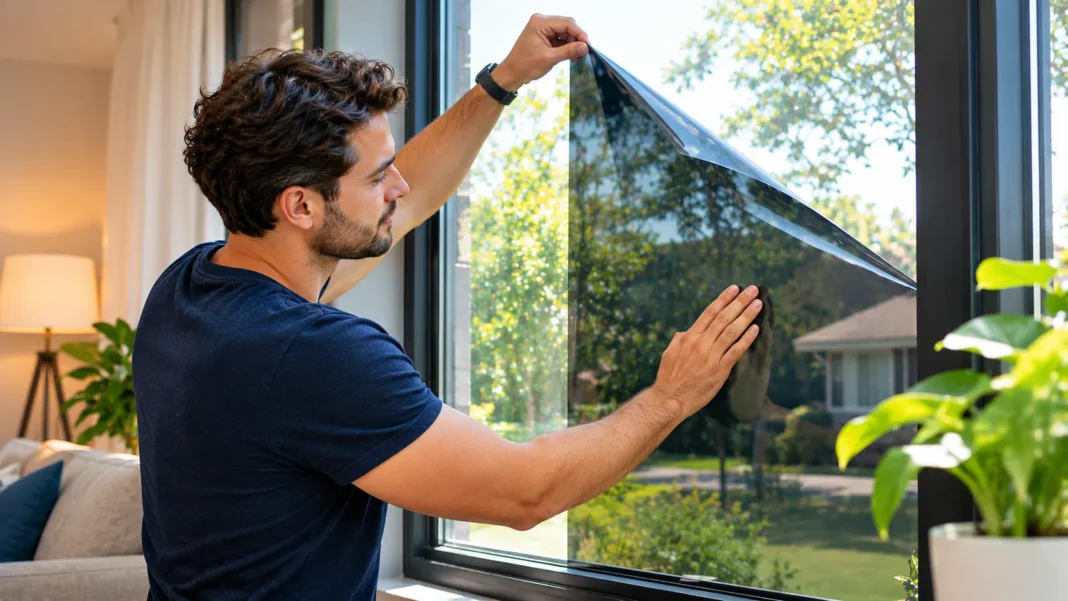

You turn on the air conditioner, close the curtains, and wait for your living room to cool down. Yet the area near your windows remains uncomfortable. When winter arrives, those same windows may allow cold drafts to enter your home.
Replacing every window can be expensive, especially if you live in a rented property. You need an affordable solution that improves indoor comfort without requiring permanent modifications. Fortunately, several temporary window treatments can help.
Removable window tint can reduce unwanted solar heat, minimize glare, and improve privacy. Combining it with suitable window insulation can also help address cold drafts. This guide explains how these products work, their benefits, installation requirements, and practical ways to improve window performance.
What Is Removable Window Tint?
Removable window tint is a thin film designed to cover glass surfaces without requiring permanent installation. Many products use static cling rather than traditional adhesive. This allows users to remove the film when it is no longer needed.
Unlike permanent window treatments, removable tint provides greater flexibility. Homeowners and renters can use it during particular seasons or whenever additional sunlight control is necessary. Some products can also be removed and reused.
Different types of removable window film serve different purposes. Some focus on reducing solar heat, while others provide privacy or decorative benefits. Choosing a product designed for your specific problem is essential.
How Does Removable Window Tint Work?
Ordinary windows allow sunlight to enter indoor spaces, which can increase room temperatures. Direct sunlight may also create uncomfortable glare on televisions, computer screens, and furniture. Window tint helps control some of this incoming solar energy.
Solar control window films work by reflecting, absorbing, or limiting the transmission of solar radiation. Their effectiveness depends on the film material, glass type, and technical specifications. Some products reduce heat while allowing considerable natural light to enter.
However, ordinary window tint does not seal gaps around window frames. If outdoor air enters through damaged seals or openings, additional weatherproofing is necessary. Understanding this difference helps you avoid purchasing an unsuitable product.
Can Removable Window Tint Reduce Heat?
Rooms with large, sun-facing windows can become uncomfortable during warmer months. Air conditioning may struggle to maintain consistent temperatures when considerable solar heat enters throughout the day. Heat-control window film can help reduce this problem.
A suitable heat-blocking window film limits the amount of solar energy entering through the glass. Reflective and specialized solar control films are designed for this purpose. Their performance varies considerably between products.
Look for verified solar heat gain or total solar energy rejection ratings before purchasing. A darker appearance does not automatically indicate better heat reduction. High-quality, lighter films may provide effective solar control without making rooms excessively dark.
Does Removable Window Tint Stop Cold Drafts?
Feeling cold air near a closed window can be frustrating, particularly during winter. You might assume that covering the glass with tint will stop the problem. However, drafts frequently originate from gaps around the window frame.
Traditional removable tint attaches directly to the glass and does not cover these openings. A temporary window insulation kit works differently because it creates an additional air barrier across the window opening. Proper installation can help reduce air leakage.
For better results, identify where the cold air originates. Use appropriate weatherstripping, removable sealing products, or insulation film to address leaks. Combining these solutions with suitable window tint may improve comfort throughout the year.
Types of Removable Window Tint
Shopping for window film can become confusing because different products appear similar but offer different benefits. Some primarily improve privacy, while others focus on solar heat reduction. Choosing the wrong type may leave your original problem unresolved.
Understanding the available options helps you make a more informed decision. The following window film categories serve different household requirements. Always review the manufacturer’s specifications before purchasing.
1. Static Cling Window Film
Static cling window film attaches to compatible, smooth glass without permanent adhesive. It is particularly useful for temporary applications and rented properties. Some products can be removed, repositioned, and reused according to their instructions.
2. Reflective Window Tint
Reflective window tint redirects a portion of incoming solar radiation. It can help reduce unwanted heat and improve daytime privacy under suitable lighting conditions. Its reflective appearance may also change the exterior appearance of your windows.
3. Ceramic Window Film
Ceramic window films use specialized materials to control solar energy while maintaining varying levels of visibility. Some designs provide effective heat reduction without an extremely dark appearance. However, many ceramic films use adhesive, so check whether the product is genuinely removable.
4. Frosted Privacy Window Film
Frosted window film creates a translucent appearance that limits clear visibility through glass. It is commonly used in bathrooms, bedrooms, and street-facing windows. Standard frosted films do not necessarily provide significant solar heat reduction.
5. Temporary Window Insulation Film
Window insulation film is commonly installed across the interior window frame rather than directly against the glass. It creates an additional insulating air space and may reduce drafts when properly sealed. Clear versions allow daylight to enter while providing seasonal insulation.
8 Benefits of Removable Window Tint
Permanent window upgrades may require considerable investment and professional installation. Removable window treatments provide a more flexible alternative for certain household problems. Their benefits depend on the selected product and installation quality.
Whether you want to reduce sunlight or improve privacy, the right film can support everyday comfort. Consider the following advantages before deciding which product best suits your home.
1. Reduces Unwanted Solar Heat
Solar control window tint helps limit heat entering through sun-facing windows. This may improve comfort in rooms that become particularly warm during the afternoon. Actual temperature improvements depend on the building and film performance.
2. May Reduce Cooling Costs
Reducing solar heat gain may decrease the amount of cooling required in certain rooms. This could contribute to lower electricity consumption during warmer months. However, energy savings vary according to climate, window orientation, and air conditioning usage.
3. Improves Indoor Privacy
Privacy window films make it more difficult for people outside to see into selected indoor spaces. Frosted films provide privacy under various lighting conditions, while reflective products depend on lighting differences. Choose a film according to your privacy requirements.
4. Reduces Screen Glare
Direct sunlight can create distracting reflections on computer screens, televisions, and other surfaces. Suitable window tint helps reduce incoming brightness. This can make working, studying, and relaxing more comfortable.
5. Provides UV Protection
Certain window films reduce ultraviolet radiation passing through the glass. This may help limit one of the factors contributing to furniture, flooring, and fabric fading. Check the product’s verified UV rejection rating before purchasing.
6. Offers Flexible Installation
Removable films provide an alternative to permanent window treatments. They can be particularly useful when homeowners want seasonal protection or renters face restrictions on property modifications. Always obtain any required property-owner permission.
7. Provides Affordable Home Improvements
Removable window film generally requires less investment than complete window replacement. Households can improve selected windows without modifying every room. However, damaged or poorly performing windows may still require professional repairs.
8. Allows Seasonal Changes
Some removable window films can be taken down when seasonal conditions change. This allows households to adjust sunlight control according to their comfort requirements. Reusable products may provide additional value when stored and maintained correctly.
Removable Window Tint vs. Permanent Window Tint
Choosing between temporary and permanent window film can feel difficult when both products promise similar benefits. However, their installation methods, durability, and intended applications can differ significantly. Understanding these differences helps prevent unnecessary purchases.
Removable tint prioritizes flexibility and easier removal. Permanent or long-term films generally prioritize durability and consistent performance. Both options can be useful when selected according to your specific requirements.
| Feature | Removable Window Tint | Permanent Window Tint |
|---|---|---|
| Installation | Often static cling | Usually adhesive-based |
| Removal | Generally easier | May require professional assistance |
| Reusability | Possible with selected products | Usually not reusable |
| Durability | Varies by material | Often designed for long-term use |
| Heat reduction | Depends on specifications | Depends on specifications |
| Initial cost | Often lower | May involve higher installation costs |
| Best suited for | Temporary and seasonal applications | Long-term window improvements |
Neither option automatically provides better energy efficiency. Compare verified performance ratings and glass compatibility rather than relying solely on installation methods.
Best Places to Use Removable Window Tint at Home
Installing tint on every window may create unnecessary expenses without solving your main comfort problems. Some rooms receive considerably more direct sunlight than others. Identifying these areas helps you prioritize improvements.
Removable window tint for home use can serve several purposes, including heat reduction, glare control, and privacy. Select suitable film based on the specific requirements of each room.
Common locations include:
- Living rooms: Reduce glare and unwanted afternoon sunlight.
- Bedrooms: Improve privacy and manage excessive brightness.
- Home offices: Minimize reflections on computer screens.
- Bathrooms: Provide privacy using frosted window film.
- Dining rooms: Reduce uncomfortable direct sunlight.
- Sunrooms: Manage excessive solar heat with compatible products.
- Apartments: Introduce temporary window treatments where permitted.
Focus on the windows causing the greatest discomfort. Treating a few carefully selected windows may be more useful than installing unsuitable film throughout your home.
How to Choose the Best Removable Window Tint
Buying window tint based only on its appearance can lead to disappointing results. A dark film may reduce brightness without significantly reducing solar heat. Similarly, decorative privacy films may offer limited energy efficiency benefits.
Start by identifying your main concern, whether it involves overheating, privacy, glare, or winter heat loss. Then compare products based on their intended purpose and verified technical specifications.
Consider these important factors:
- Solar heat gain coefficient: A lower value generally indicates less solar heat entering through the tested glazing system.
- Total solar energy rejection: Indicates how much incoming solar energy the tested system rejects.
- Visible light transmission: Describes how much visible light passes through the film or glazing system.
- UV rejection: Indicates the level of ultraviolet radiation blocked.
- Glass compatibility: Determines whether the product is suitable for your windows.
- Removability: Explains whether the film can be removed and reused.
- Privacy performance: Describes visibility under different lighting conditions.
Compare ratings measured under similar testing conditions whenever possible. This provides a more meaningful comparison than relying on marketing claims alone.
How Is Removable Window Film Installed?
Poor installation can create air bubbles, uneven edges, and reduced film adhesion. These problems may affect both appearance and performance. Proper preparation is particularly important for achieving satisfactory results.
Before installation, confirm that the film is approved for your specific glass type. Double-glazed, coated, laminated, and tinted windows may require additional compatibility checks. Unsuitable films can increase thermal stress and potentially damage glass.
A typical static cling installation involves:
- Checking the manufacturer’s installation instructions.
- Cleaning the glass with an approved cleaning product.
- Measuring the window and preparing the film.
- Applying the recommended installation solution, if required.
- Positioning the film evenly against the glass.
- Using a suitable soft applicator to remove trapped air.
- Checking the edges for proper placement.
Have an experienced adult or professional handle any cutting, difficult-to-reach windows, or large glass panels. Avoid installing film on cracked or damaged windows.
5 Ways to Stop Window Drafts Alongside Tint
Applying solar control film may improve summer comfort but leave winter drafts unresolved. Air leakage requires different solutions because it occurs around gaps, seals, and window frames. Addressing these areas can help create a more comfortable indoor environment.
Begin by identifying where you notice cold air or unusual temperature changes. A professional inspection may be useful if the source is unclear. The following solutions address different causes of window discomfort.
1. Use Weatherstripping
Weatherstripping helps seal gaps around movable window components. It can reduce unwanted air movement while allowing windows to operate normally. Choose a product appropriate for the window design and existing gap.
2. Seal Stationary Gaps
Suitable window caulk can help close stationary gaps around frames and trim. Renters should seek permission before applying permanent sealing products. Keep drainage openings clear and arrange repairs when structural damage is present.
3. Install Temporary Insulation Film
A clear window insulation kit can create an additional air barrier across the window opening. It may reduce cold drafts and heat loss when correctly installed. Do not cover windows required for emergency escape or necessary ventilation.
4. Use Thermal Curtains
Thermal curtains can help reduce heat transfer and improve comfort near windows. Closing them during cold evenings or hot, sunny periods may provide additional benefits. Open them when useful daylight or winter sunlight is desirable.
5. Repair Damaged Window Seals
Damaged seals and deteriorating window components may contribute to poor thermal performance. Fogging between double-glazed panes can indicate a failed insulated glass seal. Professional assessment may be necessary to determine whether repairs or replacement are appropriate.
Common Mistakes to Avoid When Using Removable Window Tint
Window tint can provide useful benefits, but incorrect product selection and installation may create additional problems. Some households expect every film to provide insulation, privacy, and solar protection simultaneously. These assumptions can result in wasted money.
Understanding product limitations helps you set realistic expectations. Pay particular attention to glass compatibility, installation instructions, and the specific problem you want to solve.
Avoid these common mistakes:
- Assuming darker tint always blocks more heat.
- Expecting glass-applied tint to seal window drafts.
- Ignoring glass compatibility requirements.
- Installing unsuitable film on damaged windows.
- Using abrasive cleaning products.
- Assuming reflective tint provides nighttime privacy.
- Covering necessary ventilation or emergency exits.
- Purchasing films without checking performance ratings.
Addressing these concerns before installation can help prevent avoidable problems. When uncertain about glass compatibility, consult the window or film manufacturer.
How Long Does Removable Window Tint Last?
Removable window tint does not have a universal lifespan. Product quality, sunlight exposure, installation conditions, and maintenance all influence durability. Some films are intended for short-term use, while others support longer installations.
Repeated removal and reapplication may affect the performance of reusable films. Dirt, scratches, and damaged edges can also reduce their ability to stay in place. Proper storage is particularly important for seasonal products.
Follow the manufacturer’s cleaning, removal, and storage instructions. Replace film when it becomes damaged, loses adhesion, or no longer provides the intended performance. Check warranty conditions before making a purchase.
Is Removable Window Tint Worth It?
Replacing functional windows solely because a room receives excessive sunlight may not always be necessary. Removable solar film provides a less extensive option for managing certain comfort problems. It is particularly appealing when flexibility and affordability matter.
However, window tint is not a complete solution for every insulation problem. Damaged frames, failed window seals, and significant air leaks may require repairs. Temporary treatments should not conceal underlying maintenance issues.
If your primary concern is solar heat or glare, compatible removable tint may be worthwhile. If cold drafts are the main problem, prioritize air sealing and insulation. Combining appropriate treatments can provide a more balanced approach to household comfort.
Conclusion
Removable window tint provides a flexible way to manage unwanted solar heat, excessive glare, and privacy concerns. Its relatively simple installation makes it attractive to homeowners and renters seeking affordable improvements. However, performance depends on product quality and glass compatibility.
For cold drafts and winter heat loss, consider weatherstripping, temporary insulation film, thermal curtains, and appropriate window repairs. These solutions address problems that ordinary solar window tint cannot resolve independently. Combining suitable treatments can improve comfort throughout different seasons.
Start by inspecting the windows that cause the most discomfort in your home. Determine whether the main problem is direct sunlight, air leakage, or poor insulation. Choose a compatible solution that addresses the actual cause rather than spending money on unnecessary window upgrades.
Frequently Asked Questions
1. Does removable window tint really reduce heat?
Yes, removable solar control window tint can reduce unwanted heat entering through glass. Its effectiveness depends on the film’s performance ratings, glass characteristics, sunlight exposure, and installation conditions.
2. Can removable window tint stop cold drafts?
Ordinary removable tint does not directly seal air leaks around window frames. Temporary window insulation kits, weatherstripping, and suitable sealing products are more appropriate for reducing cold drafts.
3. Does removable window tint damage windows?
Compatible static cling film generally leaves little or no adhesive residue. However, unsuitable solar films can contribute to thermal stress and glass damage. Always verify compatibility before installation.
4. Can removable window film be reused?
Some static cling window films are specifically designed for reuse. Their effectiveness depends on careful removal, cleaning, and storage. Check the manufacturer’s instructions because not every removable film is reusable.
5. Does removable window tint provide privacy at night?
Frosted privacy films can limit visibility during both daytime and nighttime, although silhouettes may remain visible. Reflective films generally lose their daytime privacy effect when indoor lighting is brighter than outdoor lighting.

