
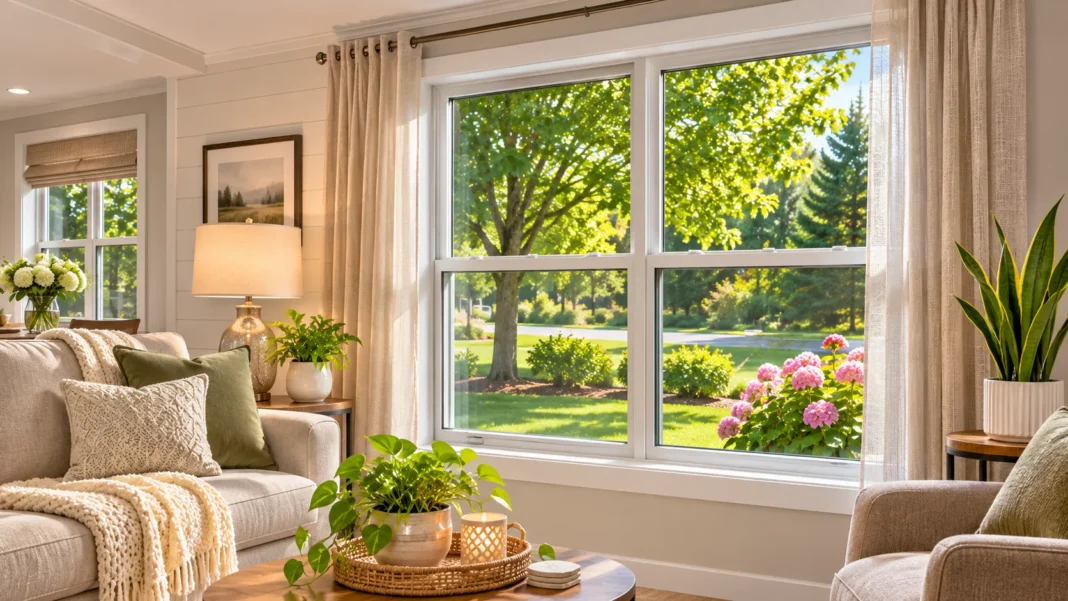

Mobile home windows play an important role in keeping your living space comfortable throughout the year. However, older or poorly insulated windows can allow unwanted drafts, heat loss, and excessive summer warmth. These problems may increase heating and cooling costs while making certain rooms uncomfortable. Understanding how your windows affect indoor temperatures can help you improve your home’s energy efficiency.
Many manufactured homes have windows that differ from those used in traditional site-built houses. Their sizes, installation methods, and surrounding wall structures may require special attention during repairs or replacement. Fortunately, simple maintenance, weatherstripping, and suitable window upgrades can help reduce air leaks and improve insulation.
Why Mobile Home Windows Cause Heat and Draft Problems
Mobile home windows can develop air leaks as seals, frames, and weatherstripping deteriorate over time. Small gaps around window edges allow outdoor air to enter and conditioned indoor air to escape. These leaks can create uncomfortable drafts during winter and introduce warm outdoor air during summer. Even minor openings may affect indoor comfort.
Heat transfer through window glass is another common concern. Single-pane windows generally provide less insulation than modern insulated glazing systems. During colder weather, heat can escape through the glass, while strong sunlight may increase indoor temperatures during summer. Window orientation, shading, and glazing performance influence how much heat enters or leaves your home.
Poor installation can also contribute to draft problems. Windows that are not properly sealed against the surrounding wall may allow air or moisture infiltration. Older manufactured homes may have experienced movement or settling that affects window alignment. Identifying whether the problem involves glass, framing, or installation helps determine the most appropriate solution.
Signs Your Mobile Home Windows Need Attention
One common sign of window problems is feeling cool or warm air entering around the frame when the window is closed. Drafts may become especially noticeable during windy weather. You might also experience uneven temperatures between rooms or higher heating and cooling expenses. These symptoms suggest that window insulation or sealing may need attention.
Visible condensation can provide additional clues about window performance. Moisture on the room-facing glass may result from indoor humidity and cold surfaces. However, fogging between panes of insulated glass often indicates a failed glazing seal. These conditions require different solutions, so identifying where the moisture appears is important.
Other warning signs include damaged caulking, loose frames, cracked glass, and difficulty opening or closing windows. Water stains around the surrounding wall may indicate moisture intrusion. Peeling paint or soft materials near the frame can suggest prolonged exposure to water. Addressing these problems early may prevent more expensive repairs.
Different Types of Mobile Home Windows
Mobile homes use several window styles depending on their age, design, and construction. Single-hung windows are common because they provide ventilation while maintaining a relatively simple structure. Sliding windows are another popular option, particularly where space is limited. Both styles can work effectively when their seals and operating components remain in good condition.
Awning windows open outward from the bottom and are hinged along the top. They can provide ventilation while offering some protection from light rain when used appropriately. Casement windows are hinged at the side and often provide effective compression seals. The best option depends on available wall space, ventilation needs, and installation requirements.
Older manufactured homes may also contain jalousie windows with multiple horizontal glass sections. Although these designs offer ventilation, aging components can make airtight sealing difficult. Modern insulated replacement windows may provide better thermal performance. However, window style alone does not determine energy efficiency, and installation quality remains an important consideration.
How to Find Air Leaks Around Mobile Home Windows
Finding the source of window drafts is an important first step before making repairs. Begin by visually inspecting the frame, sash, and surrounding wall for noticeable gaps. Look for cracked caulking, damaged weatherstripping, or loose components. These problems may allow unwanted airflow even when the glass itself remains in good condition.
On a windy day, you may notice air movement near poorly sealed window edges. A professional energy audit can provide a more accurate assessment of building air leakage. Technicians may use blower door testing and appropriate diagnostic equipment to identify problem areas. These methods can help distinguish window-related leaks from other gaps in the home.
Avoid assuming every uncomfortable draft originates from the window itself. Air may enter through nearby wall openings, electrical penetrations, or poorly sealed trim. Cold glass can also create downward air movement that feels like a draft without an actual opening. Identifying the correct cause prevents unnecessary repairs and helps target improvements effectively.
How Weatherstripping Helps Stop Window Drafts
Weatherstripping helps reduce airflow through gaps around movable window components. It is commonly installed where a window sash meets the frame or another moving section. When correctly selected and fitted, weatherstripping creates a more effective seal while allowing the window to operate. This can improve comfort without requiring complete window replacement.
Different weatherstripping materials work with different window designs. Foam tape, rubber seals, and specialized compression strips are common examples. The appropriate material depends on the size of the gap and how the window opens. Choosing a product that is too thick may interfere with closing, while a loose seal may fail to prevent drafts.
Before installing replacement weatherstripping, clean the relevant surfaces and remove damaged material as appropriate. Follow the product instructions and confirm that the window closes securely afterward. Regular inspection can help identify worn seals before they cause noticeable problems. Weatherstripping is often a practical first step for improving drafty mobile home windows.
Sealing Gaps With Caulk and Window Insulation
Caulking can help seal stationary gaps between window frames, trim, and surrounding building materials. Exterior-grade sealants are commonly used where the window meets the siding or other appropriate surfaces. Interior caulking may also address certain air leaks. However, the correct sealant and placement depend on the window design and construction details.
Before applying caulk, inspect the existing sealant for cracks, separation, or deterioration. Remove unsuitable loose material and prepare the surface according to the manufacturer’s instructions. Apply sealant only where it is intended, and avoid blocking drainage openings. Window weep holes allow moisture to escape and should remain functional.
Some larger gaps around window frames may require specialized low-expansion foam or other suitable air-sealing materials. These products must be compatible with the window and surrounding wall structure. Excessive expansion can distort frames and interfere with window operation. When installation details are unclear, professional assessment is safer than sealing every visible opening.
Best Window Glass for Energy Efficiency
Window glass plays a major role in controlling heat transfer through mobile home windows. Single-pane glazing offers limited insulation compared with insulated multi-pane designs. Double-pane windows contain two layers of glass separated by a sealed space. This construction generally reduces heat transfer and can improve indoor comfort when properly manufactured and installed.
Low-emissivity glass, commonly called Low-E glass, contains a specialized coating that helps control radiant heat transfer. Depending on the coating and window design, it can reduce unwanted solar heat gain or improve heat retention. These benefits are useful in both warm and cold climates. The most suitable glazing depends on local weather conditions.
Energy performance ratings provide a useful way to compare replacement windows. U-factor measures heat transfer, with lower values generally indicating better insulation. Solar heat gain coefficient measures how much solar energy passes through a window. Choosing suitable ratings can improve efficiency, although correct installation and shading remain equally important.
Should You Replace Old Mobile Home Windows?
Replacing old mobile home windows may be worthwhile when existing units have serious damage, persistent leaks, or poor insulation. Windows with deteriorating frames or failed insulated glass seals can be difficult to repair effectively. Newer products may improve comfort and reduce unwanted air infiltration. However, replacement is not always the most economical solution.
If the glass and frame remain in good condition, repairing weatherstripping or sealing installation gaps may provide meaningful improvements. Storm windows or other suitable secondary glazing options can also reduce heat loss in certain situations. These alternatives may cost less than full replacement. Evaluating the condition of each window helps identify where upgrades are most useful.
Consider the long-term benefits alongside installation expenses before replacing every window. Potential advantages include better temperature control, improved operation, and reduced maintenance needs. Energy savings vary according to climate, existing window performance, and heating or cooling habits. A professional assessment can help determine whether repair or replacement offers better value.
How to Choose Replacement Windows for Mobile Homes
Choosing replacement windows begins with understanding your manufactured home’s existing window dimensions and installation system. Some mobile homes use window sizes or mounting arrangements that differ from standard residential construction. Accurate measurements are essential because an incorrectly sized unit may create sealing problems. Wall thickness and siding details also influence installation requirements.
Frame material is another important consideration. Vinyl windows are popular because they require relatively little maintenance and offer useful insulation characteristics. Aluminum frames can be durable but may transfer more heat unless designed with effective thermal breaks. Other materials may provide different appearance and maintenance benefits. Compare complete window performance rather than focusing only on frame type.
Before purchasing replacement windows, check applicable building requirements and manufacturer recommendations. Manufactured homes may have construction details that require specific installation methods. Wind exposure, egress requirements, and safety glazing rules can also affect window selection. Choosing compatible products helps protect the surrounding wall and supports reliable long-term performance.
How to Reduce Heat Coming Through Windows in Summer
Summer heat can enter mobile homes through sunlight passing directly through window glass. Rooms with strong afternoon sun may become particularly warm. Installing suitable blinds, curtains, or shades can help reduce solar exposure. Exterior shading is often effective because it blocks sunlight before much of its energy enters the building.
Reflective window films may also reduce solar heat gain, but compatibility with existing glazing must be considered. Some films can increase thermal stress or affect insulated glass warranties. Review manufacturer recommendations before installation. Low-E replacement windows with suitable solar heat gain ratings may provide a longer-term solution when existing windows perform poorly.
Ventilation can help cool the home when outdoor temperatures and air quality are favorable. However, opening windows during very hot weather may introduce additional heat. Closing suitable coverings during strong sunlight can reduce indoor temperature increases. Combining shading, insulation, and appropriate ventilation practices offers a practical approach to summer comfort.
How to Keep Mobile Homes Warmer During Winter
Winter heat loss often becomes noticeable around poorly insulated or drafty windows. Cold glass surfaces can reduce comfort even when indoor air temperatures remain reasonable. Improving window seals and reducing air leakage may help maintain more consistent temperatures. These changes can also reduce unnecessary heating demand when the home’s other systems operate efficiently.
Thermal curtains and properly fitted window coverings may provide additional comfort during colder weather. Closing them at night can reduce heat transfer near the window area. During sunny winter days, opening coverings on suitable windows may allow beneficial solar warmth. However, window coverings should not obstruct necessary ventilation or create unsafe conditions near heaters.
Temporary interior window insulation films can provide another option for some existing windows. When installed correctly, these products create an additional insulating air layer. They are often considered for older or poorly performing windows. Follow manufacturer instructions carefully and avoid covering windows that must remain available for emergency escape.
Mobile Home Window Condensation and Moisture Problems
Condensation forms when moisture in the air contacts a surface that is cold enough for water vapor to collect. During winter, poorly insulated glass may become significantly cooler than indoor air. This can cause water droplets to appear on the interior surface. Persistent moisture may damage surrounding trim or encourage mold growth.
Controlling indoor humidity is an important part of reducing window condensation. Bathroom exhaust fans, kitchen ventilation, and properly maintained moisture-control equipment may help. Avoid blocking ventilation systems designed for the home. Insulated windows can also reduce condensation risks by keeping interior glass surfaces warmer under comparable conditions.
Moisture between the panes of an insulated window usually indicates a different problem. It often means the sealed glazing unit has lost its effectiveness. Cleaning the outside or adjusting indoor humidity will not repair the failed seal. A window specialist can determine whether replacing the glass unit or entire window is appropriate.
How to Maintain Mobile Home Windows Properly
Regular window maintenance helps prevent minor problems from becoming expensive repairs. Inspect frames, seals, and operating components periodically for damage or deterioration. Clean dirt from tracks and drainage areas to support smooth operation. Keeping these components in good condition can help windows close securely and resist unnecessary air infiltration.
Use cleaning products compatible with the window frame and glass materials. Harsh chemicals may damage certain finishes, seals, or coatings. Avoid forcing windows that become difficult to open because excessive pressure can damage their mechanisms. Lubricate moving components only when recommended by the manufacturer and use suitable products.
Check exterior caulking and surrounding siding for signs of separation or moisture damage. Repair small problems promptly using appropriate materials and methods. If you notice recurring leaks or soft wall materials, investigate the underlying cause before applying additional sealant. Preventive maintenance supports comfort, window performance, and the long-term condition of your home.
Common Mobile Home Window Installation Mistakes
Incorrect measurements are a common problem during mobile home window replacement. A window that does not fit the opening properly may require unnecessary adjustments and become difficult to seal. Gaps can allow air and moisture to enter the wall. Accurate measurements and suitable installation details are essential for reliable results.
Another mistake is applying sealant without considering drainage and flashing requirements. Windows must resist rainwater while allowing incidental moisture to drain through intended pathways. Blocking drainage openings or using incompatible materials can create hidden water damage. Correct installation involves more than simply filling visible gaps around the frame.
Improper fastening can also affect window operation and long-term performance. Excessively tightened fasteners may distort frames, while inadequate support can allow movement. Manufactured home wall construction may require specific attachment methods. Professional installation is often worthwhile when structural details, water management, or building requirements are uncertain.
Cost of Mobile Home Window Repair and Replacement
The cost of repairing mobile home windows depends on the type of problem and the materials required. Simple weatherstripping replacement or minor caulking repairs may be relatively inexpensive. Replacing damaged hardware, insulated glass, or deteriorated frames can cost more. Labor expenses also vary depending on accessibility and the condition of surrounding materials.
Full window replacement involves additional factors such as window size, frame material, glazing quality, and installation complexity. Custom dimensions or necessary wall repairs may increase the total expense. Energy-efficient windows can have higher initial prices than basic models. However, they may offer improved comfort and lower maintenance requirements over time.
Before starting a project, request detailed estimates that separate materials, labor, and additional work. Ask whether the price includes removal, disposal, flashing, sealing, and interior finishing. Comparing several suitable options can help identify reasonable value. The lowest initial price is not always the best choice when installation quality and durability are considered.
How to Make Mobile Home Windows More Energy Efficient
Improving window energy efficiency often begins with inexpensive maintenance. Replace worn weatherstripping, repair appropriate sealant gaps, and ensure windows close securely. These changes may reduce air leakage and improve indoor comfort. However, window improvements should be considered alongside insulation, ventilation, and other parts of the home’s building envelope.
For greater improvements, consider insulated glazing, suitable storm windows, or well-designed exterior shading. The best combination depends on your climate and the performance of existing windows. In hot regions, controlling solar heat gain may be a priority. In colder areas, reducing heat loss and preventing drafts may provide greater comfort benefits.
An energy audit can help identify which improvements are most worthwhile. Sometimes air leaks around doors, floors, or ductwork create more significant problems than the windows themselves. Addressing the largest sources of energy loss can provide better results. A whole-home approach helps avoid unnecessary spending while improving overall efficiency.
Conclusion
Mobile home windows significantly influence indoor comfort, temperature control, and energy efficiency. Aging seals, poor installation, and outdated glazing can contribute to drafts and unwanted heat transfer. Identifying the specific cause helps homeowners choose between simple repairs and more substantial upgrades. Not every drafty window requires complete replacement.
Practical improvements such as weatherstripping, appropriate caulking, window coverings, and regular maintenance can reduce common comfort problems. Energy-efficient replacement windows may provide additional benefits when existing units are damaged or poorly insulated. However, correct sizing and installation are essential. Window performance depends on both the product and how well it integrates with the surrounding wall.
Whether you want to keep your mobile home warmer in winter or cooler during summer, thoughtful window improvements can make everyday living more comfortable. Begin with careful inspection and address obvious maintenance problems before considering expensive replacements. With suitable materials, professional guidance when needed, and consistent upkeep, mobile home windows can provide dependable performance for years.
Frequently Asked Questions (FAQs)
What are the best windows for mobile homes?
The best mobile home windows fit the existing openings, meet applicable requirements, and provide suitable energy performance. Double-pane windows with appropriate Low-E coatings and well-designed frames are often practical options.
How do you stop drafts around mobile home windows?
Inspect window seals, weatherstripping, and stationary joints for gaps or deterioration. Replacing damaged weatherstripping and applying appropriate sealant can reduce air leaks. Persistent drafts may require professional inspection.
Can you replace mobile home windows with regular house windows?
Sometimes, but compatibility depends on the opening dimensions, wall construction, mounting method, and applicable building requirements. Standard residential windows may require modifications, so professional assessment is recommended before purchasing replacements.
Are double-pane windows worth it for mobile homes?
Double-pane windows can improve insulation and indoor comfort compared with older single-pane units. Their financial value depends on installation costs, climate, existing window condition, and expected energy savings.
Why do mobile home windows get condensation inside?
Condensation on interior glass commonly occurs when humid indoor air contacts a cold window surface. Better ventilation, humidity control, and insulation can help. Moisture between glass panes usually indicates a failed insulated glass seal.

