
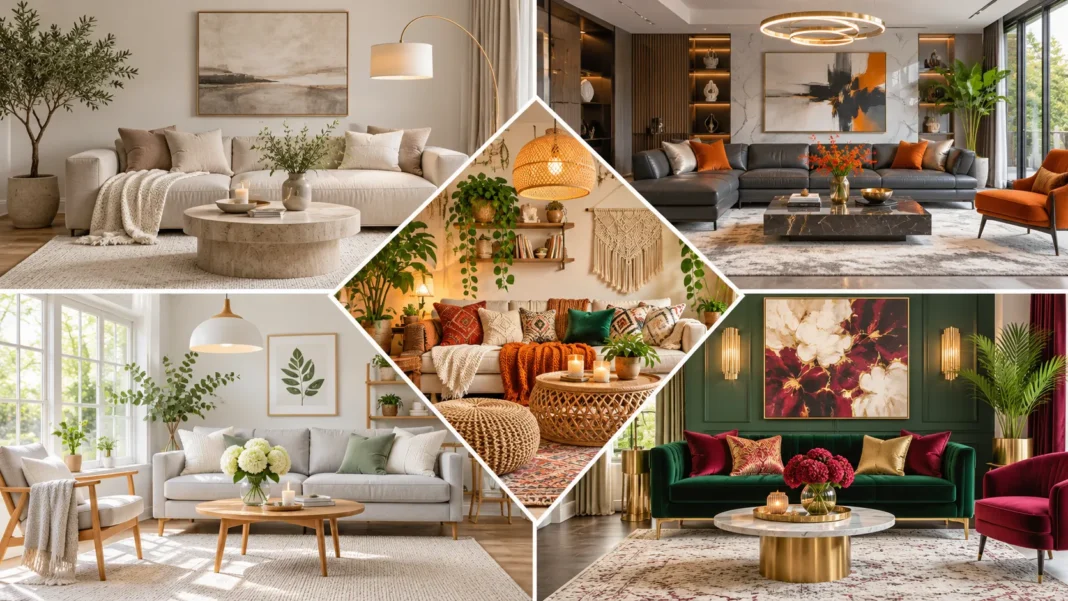

Your living room is one of the most important spaces in your home because it brings family members together and welcomes guests. Whether you have a spacious lounge or a small apartment living area, thoughtful interior design can make the space more comfortable, functional, and attractive. You do not need expensive furniture or a complete renovation to create a beautiful room. Simple changes in furniture placement, lighting, colors, and decorative accessories can make a noticeable difference. This guide explores the top 5 ways to design your living room, along with practical decorating ideas, furniture arrangement tips, and affordable home improvement suggestions.
Why Living Room Design Is Important
Living room design plays an important role in creating a comfortable and welcoming home environment. This is often where families relax, entertain visitors, watch television, and spend time together. A thoughtfully arranged space can support these activities without feeling crowded or difficult to navigate. Good design combines practical furniture placement with colors, lighting, and decorative elements.
The appearance of your living room can also influence how you experience the space. Natural light, comfortable seating, and organized surroundings may help create a relaxing atmosphere. However, attractive interior design is not only about selecting fashionable furniture. Your room should also meet your daily needs and reflect your personal preferences.
A successful design balances functionality, comfort, and visual interest. You can achieve this through small adjustments rather than replacing everything you already own. Rearranging furniture, changing textiles, or improving lighting may transform how a room feels. Understanding the basic principles of living room decoration helps you make better decisions when planning improvements.
1. Choose the Right Living Room Color Scheme
Choosing a suitable color scheme is one of the easiest ways to create a coordinated living room. Wall colors, furniture finishes, curtains, and decorative accessories all contribute to the overall appearance. Neutral shades such as white, beige, gray, and cream can create a simple foundation. Brighter colors can then introduce personality through cushions, artwork, and other decorative details.
Before selecting paint or furniture colors, consider the amount of natural light your room receives. Some shades appear warmer or cooler depending on the direction of the windows and surrounding surfaces. Test paint samples in different lighting conditions before making a final decision. This helps you understand how a color may look throughout the day.
You can also create visual harmony by repeating a few selected colors across the room. For example, soft beige walls may complement wooden furniture, green cushions, and cream curtains. The colors do not need to match perfectly to work together. Choosing a consistent palette makes it easier to introduce new accessories without creating a crowded appearance.
2. Arrange Furniture for Comfort and Better Space
Furniture arrangement can significantly influence how comfortable and functional your living room feels. Start by identifying the main activities that take place in the space. You may need seating for conversations, television viewing, reading, or family gatherings. Understanding these needs helps you select practical furniture positions rather than arranging everything only for appearance.
Consider placing your sofa near a natural focal point, such as a window, fireplace, or television area. Arrange additional chairs so people can communicate comfortably without sitting too far apart. Leave enough walking space between furniture pieces to avoid creating obstacles. A clear layout helps the room feel organized and supports normal movement.
Avoid assuming that every piece of furniture must stand directly against a wall. In larger rooms, moving a sofa slightly inward can create a more defined seating area. Smaller spaces may benefit from compact furniture and carefully planned storage. Experimenting with different arrangements allows you to discover which layout works best for your household.
3. Improve Your Living Room Lighting
Lighting is an essential part of living room design because it affects visibility, comfort, and atmosphere. A well-lit space can support reading, conversations, and everyday activities. Rather than relying entirely on one ceiling light, consider combining different lighting sources. This approach creates flexibility and allows you to adjust the room according to your needs.
Natural light is particularly valuable during daytime hours. Keep windows reasonably clear and choose curtains that allow you to control brightness and privacy. Mirrors may also help reflect available light when positioned thoughtfully. However, avoid placing reflective surfaces where strong sunlight could create uncomfortable glare or excessive heat.
For evening use, combine general lighting with lamps positioned near seating or reading areas. Floor lamps, table lamps, and suitable wall lighting can provide additional illumination. Warm lighting may create a relaxed atmosphere, while brighter task lighting helps with activities requiring attention. Choosing appropriate bulbs and fixture placement improves both practicality and visual comfort.
4. Add Decorative Accessories and Personal Touches
Decorative accessories help transform a basic living room into a space that reflects your interests and personality. Cushions, rugs, artwork, plants, and small decorative objects can introduce color and texture. You do not need to display numerous items to create an attractive environment. A few meaningful pieces can make the room feel welcoming and personal.
For example, a patterned rug can define the seating area while adding warmth to the floor. Artwork can introduce color and create a focal point on an otherwise plain wall. Cushions and throws allow you to experiment with seasonal colors without replacing larger furniture. These details provide opportunities to refresh your living room affordably.
Personal photographs, handmade decorations, and meaningful souvenirs can also make the space feel distinctive. Arrange items so they are easy to appreciate without creating unnecessary clutter. Consider grouping smaller objects on a tray or shelf for a more organized appearance. Personal touches work best when they complement your lifestyle rather than making everyday maintenance difficult.
5. Use Smart Storage and Keep Your Living Room Organized
Smart storage is an important part of creating a functional and attractive living room. Everyday items such as books, remote controls, toys, and electronic accessories can quickly make a space feel disorganized. Providing convenient storage locations helps keep commonly used items accessible. It also reduces the need for frequent tidying throughout the day.
Multifunctional furniture can be particularly useful in smaller living rooms. Storage ottomans, coffee tables with shelves, and cabinets provide additional space without requiring separate storage units. Wall-mounted shelves may also help organize books and decorative objects. However, shelves and cabinets should be installed securely according to their weight limits and manufacturer instructions.
Keeping the room organized does not mean removing every personal item or decoration. Instead, focus on creating practical places for belongings and maintaining clear walking areas. Review storage periodically to identify items that no longer serve a purpose. An organized environment allows your furniture, lighting, and decorative choices to remain noticeable and easy to enjoy.
How to Design a Small Living Room
Designing a small living room requires careful consideration of furniture size, layout, and available storage. Oversized furniture can make movement difficult when it occupies too much floor space. Choose pieces that fit comfortably within the room’s dimensions. Measuring furniture and walking areas before purchasing can help prevent unnecessary mistakes.
Light-colored walls and simple furniture finishes may create an open, coordinated appearance. Mirrors can reflect light and add visual depth when positioned appropriately. However, a small room does not need to be entirely white or neutral. You can introduce stronger colors through artwork, cushions, or a selected accent wall.
Multifunctional furniture is especially practical when space is limited. A compact sofa, nesting tables, or a storage ottoman can support several activities without requiring excessive floor space. Keep frequently used items in accessible locations and avoid blocking natural light. Thoughtful organization can make a smaller living room comfortable without sacrificing personal style.
How to Make Your Living Room Look Modern
Modern living room design often emphasizes clean lines, practical furniture, and thoughtful use of color. Simple sofas, understated tables, and organized storage can help create this appearance. Many modern interiors combine neutral backgrounds with a few contrasting details. However, there is no requirement to remove every decorative object or personal item.
Materials such as wood, glass, metal, and textured fabrics can create visual variety. For example, a wooden coffee table may complement a fabric sofa and a simple floor lamp. Combining different surfaces prevents the room from feeling overly uniform. Choose materials that suit your maintenance preferences and everyday activities.
Modern design can also include technology without allowing electronic equipment to dominate the space. Organize visible cables and provide suitable storage for accessories. Consider furniture arrangements that support both entertainment and conversation. A successful modern living room should feel comfortable and functional rather than simply resembling a showroom.
Budget-Friendly Living Room Decorating Ideas
Improving your living room does not always require purchasing new furniture. Rearranging existing pieces can change how the space looks and functions. Moving a sofa, changing the position of a lamp, or reorganizing shelves may create a fresher appearance. These adjustments are useful starting points when working with a limited budget.
Textiles provide another affordable way to refresh the room. New cushion covers, a simple throw, or updated curtains can introduce different colors and textures. You may also repurpose decorative items from other areas of your home. Choosing accessories that coordinate with your existing furniture helps avoid unnecessary spending.
If you enjoy simple home improvement projects, consider refreshing appropriate furniture surfaces or creating original wall decorations. Follow product instructions and take suitable safety precautions when using paints or tools. Start with manageable changes rather than attempting a complete redesign immediately. Budget-friendly decorating works best when purchases are based on clear needs rather than temporary trends.
How to Choose the Best Sofa for Your Living Room
The sofa is often one of the largest furniture pieces in a living room. Its size, shape, and placement can influence the entire layout. Before selecting a sofa, measure the available space and consider how many people regularly use the room. A comfortable design should support your seating needs without blocking movement.
Fabric selection is another important consideration when choosing a sofa. Different upholstery materials vary in texture, cleaning requirements, and durability. Households with children or pets may prefer fabrics that are easier to maintain. Consider your daily habits and the manufacturer’s cleaning instructions before deciding on a particular material.
The sofa color should also work with the surrounding room rather than being selected in isolation. Neutral upholstery offers flexibility when changing decorative accessories. Colorful sofas can become a central design feature when paired with suitable furnishings. Comfort, construction quality, and practical dimensions are more important than choosing a style based only on appearance.
How to Decorate Living Room Walls
Wall decoration can add personality and visual interest without occupying valuable floor space. Artwork, framed photographs, mirrors, and decorative shelves are common options. The best choice depends on your room’s size and overall style. A single large artwork may create a focal point, while smaller pieces can form a coordinated arrangement.
When displaying framed artwork, consider the surrounding furniture and available wall space. Position pieces where they can be viewed comfortably and avoid placing them where they interfere with daily movement. You can experiment with different arrangements before installing anything. Secure mounting is important, especially for heavy frames or mirrors.
An accent wall provides another option for introducing color or texture. Painting one wall in a contrasting shade can create visual interest without changing the entire room. Removable decorative materials may also be suitable for some spaces. Choose finishes that complement existing furniture and are appropriate for the wall surface.
How to Use Rugs and Curtains in Living Room Design
Rugs can help define different areas within a living room while adding texture and comfort. A suitable rug may connect the sofa, chairs, and coffee table into one coordinated seating arrangement. Consider the size of the furniture grouping before choosing a rug. Very small rugs may look disconnected from the surrounding pieces.
Curtains also influence how a room feels because they control natural light and privacy. Lightweight fabrics can create a bright appearance, while heavier materials provide greater light control. Choose curtain lengths and colors that complement the surrounding walls and furniture. Proper installation helps prevent fabric from dragging unnecessarily or interfering with nearby objects.
Rugs and curtains do not need identical colors or patterns to work together. You can connect them through shared tones, complementary textures, or a consistent style. For example, a neutral rug may complement patterned curtains containing similar background shades. Non-slip rug pads can also improve stability and help prevent unwanted movement.
How to Add Indoor Plants to Your Living Room
Indoor plants can introduce natural colors and interesting shapes into living room interiors. Their foliage provides contrast against furniture, walls, and decorative accessories. Some plants work well on shelves or side tables, while larger varieties can occupy suitable floor spaces. Choosing healthy plants that match your indoor conditions is important for long-term success.
Before selecting plants, consider how much natural light enters the room. Different species have different sunlight and watering requirements. Snake plants, pothos, and some other common houseplants are often chosen for indoor environments, although their suitability depends on conditions. Check plant toxicity if children or pets may come into contact with them.
Decorative pots can help plants coordinate with your living room design. Choose containers that provide suitable drainage or use appropriate inner pots to protect furniture from moisture. Avoid placing plants where they block walking routes or interfere with doors. Thoughtful placement allows greenery to complement the room while remaining easy to maintain.
How to Create a Cozy Living Room Atmosphere
A cozy living room often combines comfortable seating, pleasant lighting, and soft decorative materials. Cushions, throws, and suitable rugs can add texture and make seating areas more inviting. Warm lighting may also support a relaxed evening atmosphere. The goal is creating a space where household members feel comfortable spending time.
Furniture placement can influence how welcoming the room feels. Position seating so people can communicate without unnecessary distance or obstacles. Keep commonly used items within convenient reach, such as reading lamps or side tables. Practical details can improve everyday comfort more effectively than adding numerous decorative objects.
You can also introduce personal elements that make the space feel familiar. Favorite books, photographs, and meaningful decorations contribute to a welcoming environment. Avoid overcrowding surfaces if it makes cleaning or using the room difficult. Cozy design is not defined by a particular furniture style but by how well the space supports relaxation and connection.
Common Living Room Design Mistakes to Avoid
One common mistake is purchasing furniture before measuring the room properly. A sofa or coffee table may look attractive in a showroom but occupy too much space at home. This can create narrow walking areas and make the room difficult to use. Taking accurate measurements helps prevent expensive purchasing mistakes.
Another issue is relying on a single lighting source for every activity. One overhead fixture may not provide suitable illumination for reading or relaxing. Combining different lighting options creates greater flexibility. Avoid placing lamps where their cords create tripping hazards or their light produces uncomfortable glare.
Overdecorating can also make a living room feel cluttered and difficult to maintain. Too many small objects may compete with important furniture and decorative features. Instead, select a few items that reflect your interests and support the overall design. A balanced approach allows you to enjoy personal decoration without sacrificing practicality.
How to Plan Your Living Room Design Step by Step
Begin by evaluating how your current living room functions and identifying areas that need improvement. Consider seating comfort, lighting, storage, and available walking space. Decide which changes would make the greatest difference to everyday activities. This assessment helps you prioritize useful improvements before spending money.
Next, establish a realistic budget and choose a suitable color palette. Measure the room and create a simple furniture arrangement plan. You can sketch the layout on paper or use an appropriate digital planning tool. Reviewing the plan before purchasing furniture helps you identify potential spacing problems.
Finally, make changes gradually and evaluate how each adjustment affects the room. Begin with essential furniture placement and lighting before adding decorative accessories. This allows you to understand what the space still needs. A step-by-step approach helps create a comfortable, attractive living room without unnecessary purchases or complicated renovations.
Conclusion
Designing a beautiful living room begins with understanding how the space will be used every day. The top five ways to design your living room include choosing a coordinated color scheme, arranging furniture thoughtfully, improving lighting, adding decorative accessories, and using practical storage. These elements work together to create a comfortable and functional environment. Small improvements can make a noticeable difference without requiring a complete renovation.
The best living room design reflects your personal preferences while supporting everyday activities. Whether you prefer modern interiors, colorful decoration, or a simple minimalist appearance, comfort and practicality should remain priorities. Consider room dimensions, natural light, and available storage before purchasing new items. Thoughtful planning can help avoid unnecessary expenses and improve the overall experience.
You do not need an unlimited budget or professional design experience to create an attractive living room. Begin with manageable changes and develop the space gradually according to your needs. Rearranging furniture, adjusting lighting, and introducing meaningful decorative details can refresh familiar surroundings. With creativity and practical planning, your living room can become a welcoming space for relaxation, conversation, and family activities.
Frequently Asked Questions
What are the best ways to design a living room?
Start with a coordinated color scheme, practical furniture arrangement, comfortable lighting, decorative accessories, and organized storage. These five elements help create a welcoming living room that supports everyday activities.
How can I make my living room look beautiful on a budget?
Rearrange existing furniture, update cushion covers, improve lighting, and repurpose decorative items. Small changes can refresh the room without purchasing expensive furniture or planning a complete renovation.
Which colors are best for living room design?
Neutral colors such as beige, cream, gray, and white provide versatile backgrounds. However, richer shades can also work well depending on your lighting, furniture, and personal preferences.
How do you arrange furniture in a small living room?
Choose appropriately sized furniture, maintain clear walking paths, and use multifunctional storage where possible. Position seating around the room’s main activities without blocking windows or entrances.
What makes a living room look modern and stylish?
Modern living rooms often feature clean furniture lines, organized storage, coordinated colors, and thoughtful lighting. Comfortable seating and carefully selected decorative pieces help maintain a practical, welcoming atmosphere.

