
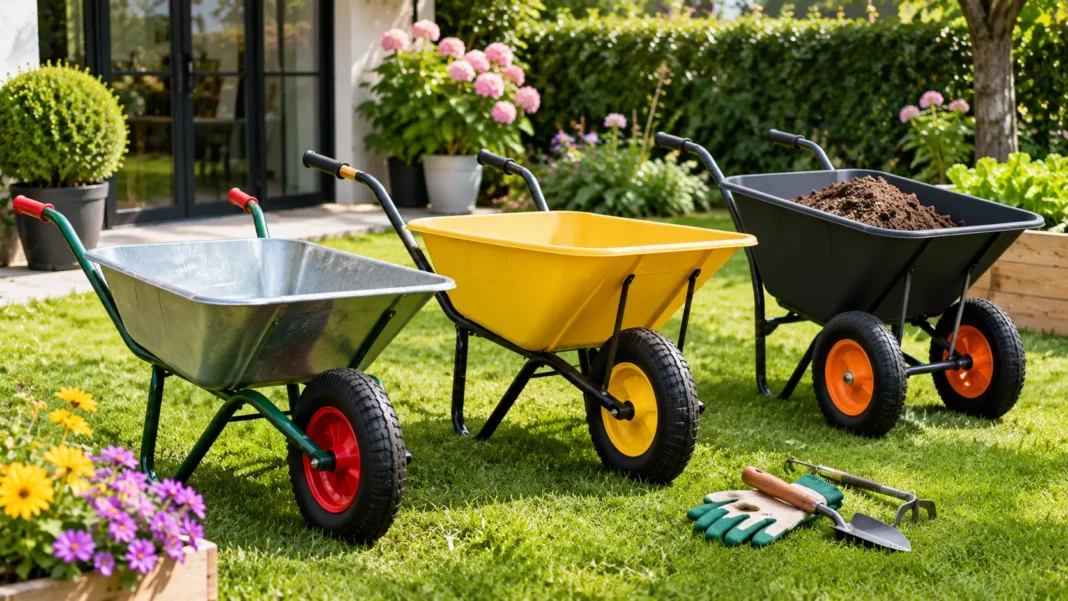

A wheelbarrow is one of the most useful tools for gardening, landscaping, construction, and everyday outdoor work. It helps transport soil, plants, gravel, tools, and other materials without carrying everything by hand. However, choosing the right wheelbarrow can be confusing because different models offer different capacities, wheel designs, materials, and handling features.
Understanding wheelbarrow types, uses, and buying tips can help you select a practical tool for your needs. Some wheelbarrows are designed for lightweight gardening tasks, while others handle heavier construction materials. The right choice depends on your working environment, the materials you transport, and how frequently you plan to use the equipment.
Whether you are maintaining a small garden or working on a large outdoor project, a suitable wheelbarrow can make everyday tasks more manageable. This guide explains common designs, important components, useful features, and maintenance practices. You will also learn how to compare different models and avoid common mistakes when purchasing a wheelbarrow.
What Is a Wheelbarrow and How Does It Work?
A wheelbarrow is a manually operated tool designed to transport materials over relatively short distances. Traditional models feature a large container supported by one front wheel, two handles, and supporting legs. The user lifts the handles to move the load, while the wheel helps support and roll the weight.
The wheelbarrow works through a combination of leverage and rolling movement. Its design allows a person to transport materials that would be inconvenient to carry individually. However, the amount of effort required depends on load weight, wheel placement, handle design, and the surface being crossed.
Modern wheelbarrows come in several configurations to suit different tasks and working environments. Some have two wheels for additional stability, while others feature lightweight containers or motorized assistance. Understanding how these designs function makes it easier to select suitable equipment for gardening, landscaping, construction, and household projects.
Common Types of Wheelbarrows
Wheelbarrows are available in different styles because outdoor projects require varying levels of stability, carrying capacity, and maneuverability. Common categories include single-wheel, two-wheel, garden, construction, and electric models. Each design provides particular advantages depending on the material being transported and the conditions of the working area.
Traditional wheelbarrows are often preferred for moving through narrow garden paths and working around obstacles. Two-wheel models generally provide greater side-to-side stability, making them useful when transporting certain bulky materials. Heavy-duty construction wheelbarrows are designed for demanding work involving gravel, bricks, and other dense loads.
Specialized models include folding wheelbarrows for compact storage and powered wheelbarrows that reduce manual pushing effort. Some manufacturers also produce multi-purpose carts that perform similar transport functions. Comparing these options according to actual workload helps prevent purchasing equipment that is unnecessarily large, expensive, or difficult to operate.
Single-Wheel Wheelbarrows: Features and Benefits
Single-wheel wheelbarrows use one wheel positioned near the front of the container. This traditional design allows users to steer through narrow spaces and around garden obstacles. Because the wheel acts as a central pivot point, the tool can be maneuverable when turning or navigating winding paths.
These models are commonly used for gardening, landscaping, and general property maintenance. They can transport soil, mulch, garden waste, and other loose materials. However, their narrow support base means the user must actively maintain side-to-side balance, particularly when carrying uneven or heavy loads.
A single-wheel wheelbarrow can be a practical choice when maneuverability matters more than maximum stability. Look for comfortable handles, a strong frame, and a wheel suitable for your working surface. Beginners should practice with manageable loads before attempting to transport dense materials across uneven ground.
Two-Wheel Wheelbarrows for Better Stability
Two-wheel wheelbarrows feature a pair of wheels that create a wider support base than traditional single-wheel designs. This arrangement reduces the amount of side-to-side balancing required during movement. As a result, they can be convenient for gardening tasks involving bulky or unevenly distributed materials.
The additional wheel can make transportation feel steadier on reasonably level surfaces. These models are useful for moving bags of compost, garden supplies, and moderate amounts of soil. However, the wider wheel arrangement may make turning more difficult in narrow areas or between closely spaced obstacles.
Two-wheel designs are not automatically better for every outdoor project. Their suitability depends on the width of garden paths, terrain conditions, and the type of material being moved. Before purchasing, consider whether improved stability is more valuable than the maneuverability provided by a single-wheel model.
Garden Wheelbarrows for Everyday Outdoor Tasks
Garden wheelbarrows are designed for common landscaping and gardening activities around the home. They often feature lightweight containers, comfortable handles, and capacities suitable for moving soil, leaves, compost, and plants. Their relatively manageable design makes them useful for homeowners who maintain flower beds, lawns, and vegetable gardens.
Plastic garden wheelbarrows are popular because they resist rust and are usually easier to clean. Metal models may provide additional durability when transporting rough materials. The ideal container material depends on your maintenance preferences, expected workload, and the conditions in which the wheelbarrow will be stored.
When choosing a garden wheelbarrow, prioritize maneuverability, comfortable handling, and a capacity appropriate for everyday use. A larger container is not always necessary for small residential projects. Selecting a manageable size can make routine tasks easier and reduce the temptation to transport unnecessarily heavy loads.
Heavy-Duty Wheelbarrows for Construction Work
Heavy-duty wheelbarrows are built to transport demanding materials such as concrete, gravel, sand, and construction debris. They commonly feature reinforced frames, durable containers, and components designed for repeated use. Their construction is intended to withstand more demanding working conditions than typical lightweight garden models.
Steel containers are frequently used because they can tolerate abrasion and contact with rough materials. Strong handles and reinforced support structures also contribute to durability. However, a heavy-duty design usually adds weight, which may make an empty wheelbarrow harder to handle than a lightweight alternative.
Before selecting a construction wheelbarrow, review its rated load capacity and intended applications. Some models are better suited to transporting loose materials, while others accommodate heavier equipment or building supplies. Always follow the manufacturer’s weight limits and avoid loading materials in ways that compromise balance or control.
Electric and Motorized Wheelbarrows
Electric wheelbarrows use a powered drive system to assist with moving materials. Depending on the model, they may feature rechargeable batteries, speed controls, and multiple wheels. These machines are often intended for situations involving frequent transport or heavier loads across working areas.
Powered assistance can reduce the physical effort required to move certain materials, especially over longer distances. However, electric models generally cost more than manually operated wheelbarrows. They also require battery charging, mechanical maintenance, and careful operation according to the manufacturer’s safety instructions.
When considering an electric wheelbarrow, compare battery runtime, carrying capacity, braking features, and suitability for your terrain. The overall weight and storage requirements are also important. Motorized equipment may be useful for demanding projects, but many small household tasks can be completed with a simpler manual model.
Plastic vs. Steel Wheelbarrows: Which Is Better?
Plastic and steel are two common materials used for wheelbarrow containers. Plastic models are generally lightweight, resist corrosion, and are convenient for gardening tasks involving soil, leaves, and compost. Steel models often provide greater resistance to abrasion and may be better suited to transporting rough construction materials.
The main disadvantage of plastic containers is that some designs can crack or deform under excessive loads or harsh conditions. Steel containers can be stronger for demanding applications but may rust when protective coatings become damaged. Both materials vary in quality, so construction and thickness matter alongside the material itself.
Choose the container material according to your typical workload rather than appearance alone. A lightweight plastic wheelbarrow may be sufficient for routine garden maintenance. For frequent transportation of gravel, rubble, or similarly abrasive materials, a reinforced steel model may provide better long-term suitability.
Understanding Wheelbarrow Size and Capacity
Wheelbarrow size is commonly described using container volume, which may be measured in cubic feet or liters. Many residential models have capacities of approximately four to six cubic feet, although smaller and larger options are available. The best size depends on the materials you transport and the space available for movement.
Volume capacity should not be confused with maximum weight capacity. A container filled with dry leaves weighs considerably less than the same container filled with wet sand or gravel. Always check the manufacturer’s rated weight limit rather than assuming the container can safely carry every material when completely full.
Choosing an oversized wheelbarrow can make everyday tasks unnecessarily demanding. A smaller model may require additional trips but provide easier handling and better maneuverability. Consider both container volume and realistic working loads to find an appropriate balance between efficiency, comfort, and control.
Choosing the Right Wheelbarrow Tires
Wheelbarrow tires influence movement, stability, and ease of operation across different surfaces. Common options include pneumatic tires, solid rubber tires, and foam-filled designs. Each type has advantages depending on the terrain, maintenance requirements, and weight of the materials being transported.
Pneumatic tires contain air and can provide useful cushioning over uneven ground. However, they require proper inflation and may experience punctures. Solid tires generally need less routine maintenance and do not go flat, although they may provide less cushioning when moving across rough surfaces.
Foam-filled tires offer another maintenance-friendly alternative with puncture resistance and some cushioning characteristics. When comparing wheelbarrow tires, consider wheel diameter, tread pattern, and load rating. Selecting a suitable wheel system can improve handling and reduce interruptions during gardening, landscaping, or construction activities.
Important Wheelbarrow Features to Consider
A wheelbarrow’s performance depends on more than its container and wheel configuration. Handle design, frame construction, support legs, and overall balance influence how comfortably it can be used. Evaluating these components before purchasing helps you understand whether a particular model suits your intended tasks.
Handles should provide a secure, comfortable grip and enough space for natural movement. Some models feature cushioned grips or alternative handle shapes for different preferences. Strong support legs are also important because they help keep the wheelbarrow stable when parked, loaded, or prepared for unloading.
Examine how the container attaches to the frame and whether the hardware appears durable. Replacement parts and manufacturer support may also influence long-term ownership costs. A well-designed wheelbarrow should combine appropriate carrying capacity with manageable handling, reliable components, and practical maintenance requirements.
Common Wheelbarrow Uses Around the Home
Wheelbarrows are particularly useful for moving gardening materials between different areas of a property. Homeowners commonly use them to transport compost, mulch, potting soil, and fallen leaves. Their open containers make loading and unloading convenient, especially when working on flower beds, lawns, or vegetable gardens.
Landscaping projects often require moving stones, gravel, plants, and other outdoor supplies. A wheelbarrow can reduce the need to carry individual containers repeatedly, making material transportation more efficient. However, dense materials should be loaded carefully because their weight can exceed the tool’s rated capacity before the container appears full.
Wheelbarrows can also help with general property maintenance and cleanup activities. They are useful for collecting branches, transporting gardening tools, and moving suitable household materials across outdoor spaces. Selecting a wheelbarrow based on your most frequent tasks helps ensure that its size, construction, and handling features remain practical.
How to Use a Wheelbarrow Safely and Comfortably
Safe wheelbarrow operation begins with distributing materials evenly inside the container. Place heavier objects low and position the load so it remains balanced during movement. Avoid exceeding the manufacturer’s weight limit, and check that the wheel, frame, and handles are in suitable condition before beginning work.
When lifting the handles, maintain stable footing and avoid sudden twisting movements. Push the wheelbarrow at a controlled pace while watching for holes, slopes, and obstacles. If the load feels difficult to control, reduce its weight or divide the materials into smaller trips rather than forcing the movement.
Choose routes that provide enough space and stable ground whenever possible. Be particularly careful around steep inclines, slippery surfaces, and uneven pathways. Wearing suitable footwear and following the manufacturer’s instructions can help improve control, reduce unnecessary physical strain, and make transportation tasks more manageable.
Practical Wheelbarrow Buying Tips for Beginners
Before buying a wheelbarrow, identify the materials you expect to transport most frequently. Lightweight garden waste requires different equipment from heavy gravel or construction debris. Understanding your intended workload helps narrow down suitable models and prevents spending extra money on features that may not provide practical value.
Compare carrying capacity, wheel configuration, container material, and overall weight before making a purchase. If possible, examine how comfortably the handles fit and whether the wheelbarrow feels balanced when moving. Consider the width of your garden paths and the space available for storing equipment between uses.
Price matters, but the cheapest model is not always the most economical choice over time. Strong construction, suitable tires, and accessible replacement parts may provide better long-term value. Review warranty conditions and buyer feedback while prioritizing a design that matches your regular outdoor maintenance needs.
How to Maintain a Wheelbarrow for Long-Term Use
Regular maintenance helps keep a wheelbarrow functional and prevents minor problems from becoming expensive repairs. After using it, remove leftover soil, cement residue, or other materials from the container. Cleaning is particularly important when transporting substances that may harden, retain moisture, or damage protective finishes.
Check pneumatic tire pressure periodically and inspect wheels for visible wear or damage. Examine handles, bolts, support legs, and frame connections for looseness or deterioration. Tightening suitable hardware and replacing damaged components according to manufacturer instructions can help maintain reliable handling during everyday use.
Store the wheelbarrow in a dry, sheltered location whenever possible. Steel containers may benefit from attention to scratches or damaged protective coatings that could allow rust to develop. Proper storage and routine inspection can extend equipment life, reduce replacement expenses, and keep the wheelbarrow ready for future projects.
Conclusion
A wheelbarrow is a practical tool for transporting gardening supplies, landscaping materials, and construction equipment over short distances. Different designs provide different advantages in stability, maneuverability, durability, and carrying capacity. Understanding these differences helps you choose a model that matches your outdoor projects and everyday working conditions.
When comparing wheelbarrows, consider container material, wheel type, frame strength, handle comfort, and storage requirements. A lightweight garden model may be suitable for household maintenance, while demanding projects may require reinforced equipment. Selecting the appropriate capacity is especially important for maintaining safe and manageable loads.
The best wheelbarrow is not necessarily the largest or most expensive option. It is the model that provides reliable performance for the tasks you regularly complete. By following practical buying tips, using the equipment responsibly, and maintaining it properly, you can enjoy a useful tool for many outdoor projects.
Frequently Asked Questions (FAQs)
What is a wheelbarrow used for?
A wheelbarrow is used to transport soil, mulch, gravel, plants, construction materials, and garden waste. It makes moving suitable loads over short distances more convenient during gardening, landscaping, and property maintenance tasks.
Is a one-wheel or two-wheel wheelbarrow better?
Single-wheel wheelbarrows generally provide greater maneuverability in narrow spaces, while two-wheel models offer better side-to-side stability. The best option depends on your terrain, typical loads, and available working space.
What size wheelbarrow is best for home gardening?
A wheelbarrow with approximately four to six cubic feet of capacity can suit many household gardening tasks. However, the ideal size depends on your garden layout, workload, and comfortable handling capacity.
Are plastic wheelbarrows better than metal ones?
Plastic wheelbarrows are generally lighter and resist rust, making them useful for everyday gardening. Steel wheelbarrows often handle abrasive materials better but may require additional care to prevent corrosion.
How do I choose a good-quality wheelbarrow?
Look for a strong frame, comfortable handles, suitable tires, and a container that matches your workload. Check the manufacturer’s weight rating, construction quality, replacement-part availability, and storage requirements before purchasing.

