
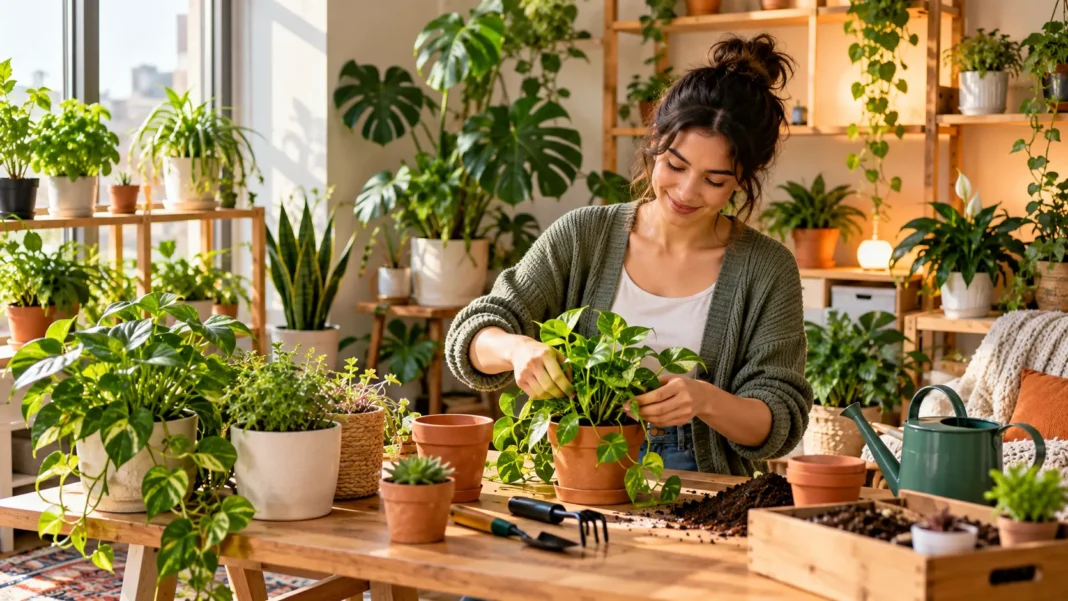

Creating an indoor garden does not have to be expensive or complicated. With a little creativity, affordable plants, and everyday household materials, you can transform an empty corner into a beautiful green space. Indoor gardening is an excellent way to bring nature into your home, even when you have limited space or a small budget.
Whether you live in an apartment, have a small bedroom, or want to decorate your living room, an indoor garden can make your space feel fresh and inviting. You do not need expensive planters, advanced gardening equipment, or professional experience to get started.
Plan Your Indoor Garden Before Spending Money
The first step in creating an affordable indoor garden is deciding where your plants will grow. Look around your home for unused corners, windowsills, shelves, or small tables that could become a gardening space. Consider how much room you have and whether the area receives natural sunlight. Planning your layout first helps prevent unnecessary purchases and makes better use of available space.
You should also consider the purpose of your indoor garden before selecting plants. Some people want decorative greenery, while others prefer growing herbs for cooking or creating a peaceful reading corner. Your goals will influence the plants, containers, and supplies you need. A clear plan makes it easier to avoid buying attractive gardening accessories that serve no practical purpose.
Start with a manageable number of plants rather than filling the entire space immediately. Two or three carefully chosen plants can create an attractive arrangement without requiring a large investment. As you gain experience, you can gradually introduce additional greenery. This approach allows you to understand your plants’ needs while keeping your indoor gardening expenses under control.
Choose the Best Location With Natural Sunlight
Natural light is one of the most important factors when creating a successful indoor garden. Different plants need different amounts of sunlight to grow properly, so understanding your home’s lighting conditions is essential. Observe how sunlight enters your rooms throughout the day. A suitable location can help plants thrive without requiring additional lighting equipment or electricity costs.
Bright windowsills often provide good growing conditions for herbs and plants that prefer plenty of light. However, direct afternoon sunlight can damage the leaves of certain indoor plants. Others grow better in bright, indirect light away from harsh sun exposure. Choosing plants according to the available lighting reduces maintenance problems and helps you avoid replacing unhealthy plants.
If your home receives limited sunlight, select plants that tolerate lower-light environments. Some snake plants, ZZ plants, and pothos varieties can handle less intense light, although they still need adequate illumination. Avoid placing plants in completely dark areas. Using existing natural light effectively is one of the easiest ways to keep your indoor garden affordable.
Set a Realistic Budget for Indoor Gardening
Creating a budget helps you decide which gardening supplies are necessary and which purchases can wait. Your main expenses may include plants, potting mix, containers, and a few basic tools. Many decorative accessories are optional, especially when you are just starting. Prioritizing healthy plants and suitable growing conditions is more useful than investing heavily in expensive decorations.
You can begin with a small amount of money by purchasing young plants instead of mature specimens. Smaller plants generally cost less and can grow into attractive displays with proper care. Local nurseries, community plant sales, and gardening exchanges may offer affordable choices. Compare prices and check plant health before purchasing anything for your indoor garden.
An effective budgeting strategy is to separate essential items from optional improvements. Containers with drainage, appropriate potting mix, and healthy plants should come before decorative stands or elaborate shelving. You can also reuse suitable household materials to reduce spending. Adding new plants gradually makes the project financially manageable while giving you time to improve your gardening skills.
Select Affordable and Low-Maintenance Indoor Plants
Choosing the right plants can make indoor gardening easier and more economical. Beginners often benefit from hardy varieties that tolerate occasional care mistakes and adapt to typical household conditions. Spider plants, snake plants, ZZ plants, and some pothos varieties are popular choices. Their watering and lighting requirements differ, so select varieties that match your available space.
Spider plants are particularly useful for beginners because they are adaptable and produce small offshoots that can become new plants. Pothos is another popular option for creating trailing greenery on shelves or hanging displays. Snake plants offer an upright appearance that works well in small spaces. These plants provide different decorative styles without requiring complicated gardening equipment.
When choosing plants, consider household safety alongside appearance and price. Some common houseplants, including pothos, snake plants, and ZZ plants, are toxic if eaten by pets. Spider plants and certain peperomia varieties offer alternatives for homes with curious animals. Always verify the safety of individual species and place plants where children or pets cannot accidentally disturb them.
Reuse Household Containers as Budget-Friendly Planters
You do not need expensive ceramic pots to create an attractive indoor garden. Many household containers can be repurposed into practical planters with a little preparation. Old mugs, sturdy plastic containers, and unused plant pots offer affordable alternatives to decorative gardening products. Choosing suitable materials helps you reduce waste while keeping your garden project within budget.
Drainage is important because excess water around plant roots can contribute to root rot. Containers with drainage holes allow water to escape after watering, making moisture easier to manage. If a decorative container has no drainage opening, place a smaller nursery pot with holes inside it. Remove accumulated water from the outer container to prevent roots from remaining wet.
You can also improve the appearance of reused containers with simple decorative ideas. Matching colors, arranging pots in groups, or wrapping outer containers with suitable materials can create a coordinated display. Keep decorations clear of drainage openings and damp soil. This approach allows you to create a personalized indoor garden without spending heavily on matching commercial planters.
Use Affordable Potting Mix and Simple Gardening Supplies
Healthy indoor plants need a growing medium that provides appropriate moisture, airflow, and support for their roots. A suitable commercial potting mix is often a practical starting point for beginners. Different plants may require adjustments depending on their natural growing conditions. Understanding these requirements helps you choose the right materials without purchasing unnecessary specialty products.
Avoid assuming that ordinary outdoor garden soil is suitable for every indoor container. Garden soil can become compacted in pots and may contain pests or other unwanted materials. A well-draining indoor potting mix generally provides a more predictable growing environment. Plants such as succulents may need a more freely draining mixture than moisture-loving tropical varieties.
Basic gardening equipment can also remain simple and inexpensive. A small watering can, clean scissors, and a container for handling potting mix may be enough to begin. You can reuse suitable household items instead of purchasing specialized accessories immediately. Clean tools between plants when necessary, and invest in additional equipment only when your garden genuinely requires it.
Grow Fresh Herbs Indoors Without Spending Much
Growing herbs indoors is a practical way to combine home decoration with everyday usefulness. Herbs such as basil, parsley, chives, and mint can provide fresh ingredients for cooking when their growing conditions are suitable. Small containers allow you to keep them near the kitchen. However, most culinary herbs need more light than many decorative houseplants.
A bright window is often the best starting location for an inexpensive indoor herb garden. Basil generally prefers strong light and consistent warmth, while parsley and chives can tolerate somewhat different conditions. Mint grows vigorously under suitable care and is often easier to manage in its own container. Monitor each herb individually rather than following one watering schedule.
You can sometimes start herbs from seeds to reduce the initial cost, although growing from seed requires patience. Young nursery plants provide a faster alternative when you want usable greenery sooner. Harvest leaves carefully so enough healthy growth remains for the plant to continue developing. A small herb garden can be satisfying without requiring expensive indoor growing systems.
Propagate Existing Plants to Expand Your Garden for Free
Plant propagation is one of the most affordable ways to grow an indoor garden over time. Instead of purchasing every new plant, you can produce additional plants from suitable existing specimens. Some houseplants grow from stem cuttings, while others produce offsets that can be separated. Learning the correct method for each variety helps improve your chances of success.
Pothos is commonly propagated using stem cuttings that contain suitable nodes. Spider plants often produce small plantlets that can develop into independent plants. Certain other houseplants may be multiplied through division when they have established several growth sections. Always use an appropriate technique for the species, because not every plant grows successfully from a cutting.
Plant exchanges are another excellent option for reducing gardening expenses. Friends, neighbors, and local gardening groups may be interested in exchanging healthy propagated plants. This allows you to explore different varieties without buying every specimen from a nursery. Check exchanged plants for pests before introducing them to your existing collection, especially when they come from unfamiliar environments.
Create DIY Plant Shelves and Attractive Displays
A beautiful indoor garden depends on thoughtful arrangement rather than expensive furniture. Existing bookshelves, sturdy side tables, and suitable windowsill spaces can become attractive plant displays. Grouping plants at different heights adds visual interest while keeping the room organized. Make sure surfaces can support the combined weight of containers, damp soil, and mature plants.
Vertical gardening is especially useful when floor space is limited. A secure shelving unit can hold several small plants without occupying a large area. Wall-mounted options may also work when installed correctly and positioned away from potential hazards. Consider how you will reach each container for watering and maintenance before creating a complicated arrangement.
You can improve the overall appearance by combining plants with different leaf shapes and growth habits. Upright plants add structure, while trailing varieties create softer lines along suitable shelves. Decorative containers in similar colors can make the collection feel coordinated. Protect furniture from water damage with appropriate trays, and avoid placing damp containers near electrical equipment.
Save Money With Proper Watering and Plant Care
Proper watering is one of the easiest ways to keep indoor gardening costs low. Plants that receive too much or too little water may develop problems that require additional care or replacement. Before watering, check the soil moisture and consider the needs of the individual species. A regular observation routine is more reliable than watering every plant on the same schedule.
Many common houseplants prefer their potting mix to dry partially between watering sessions. Others need more consistent moisture, particularly when actively growing in warm conditions. Container size, room temperature, humidity, and light exposure can all influence watering frequency. Understanding these factors helps prevent avoidable problems while reducing unnecessary water use and gardening expenses.
Fertilizer is another area where beginners sometimes spend more than necessary. Many indoor plants require only modest feeding during periods of active growth, depending on their growing medium and species. Excess fertilizer can damage roots or cause unhealthy growth. Follow suitable product directions and avoid using additional nutrients simply because a plant is growing slowly.
Prevent Common Problems and Expand Your Garden Gradually
Indoor gardens can experience problems such as yellowing leaves, pests, weak growth, and root damage. These issues often result from unsuitable lighting, watering practices, or poor growing conditions. Regularly inspecting your plants helps you recognize changes before they become more serious. Understanding the likely cause is usually more useful than immediately purchasing expensive treatments.
Common indoor pests include fungus gnats, mealybugs, spider mites, and scale insects. New plants should be inspected and temporarily kept apart from established plants when practical. If pests appear, identify them before selecting an appropriate management method. Improving growing conditions and using suitable plant-care practices can often prevent recurring problems without unnecessary chemical products.
Expanding your indoor garden gradually allows you to learn which plants grow best in your home. You can add new varieties when space, lighting, and maintenance time allow. Propagation and plant exchanges may provide affordable additions as your experience improves. Over time, a small collection can become an attractive indoor garden without requiring a large upfront investment.
Conclusion
Creating an indoor garden on a budget is possible with thoughtful planning and practical choices. You can begin with a few affordable plants, suitable containers, and a location that receives adequate natural light. Reusing household materials and selecting low-maintenance varieties helps reduce expenses while creating a pleasant and welcoming green space.
Successful indoor gardening depends more on consistent care than expensive accessories. Understanding the lighting, watering, and soil requirements of your plants can prevent common problems and unnecessary replacements. Propagation, plant exchanges, and simple DIY displays provide additional opportunities to expand your garden while keeping costs manageable.
The best approach is to start small and build your indoor garden according to your available space and experience. Observe how your plants respond to their environment and make adjustments when necessary. With patience, creativity, and a little attention, you can enjoy a beautiful indoor garden without spending more than your budget allows.
Frequently Asked Questions (FAQs)
How can I start an indoor garden with little money?
Start with two or three affordable houseplants, reuse suitable containers, and place them where natural light meets their needs. Buy essential potting supplies first and expand gradually through propagation or plant exchanges.
What are the cheapest indoor plants for beginners?
Spider plants, pothos, snake plants, and ZZ plants are commonly available and relatively easy to maintain. Prices vary by location, so compare small nursery plants and consider household pet safety before purchasing.
Can I grow an indoor garden without sunlight?
Plants need adequate light, but some varieties tolerate lower-light conditions. If natural light is insufficient, an appropriate grow light may help, although it increases electricity and equipment costs.
What household items can I use as plant pots?
Sturdy plastic food containers, old nursery pots, and suitable mugs can become useful planters. Ensure excess water can drain properly, or use a smaller pot with drainage holes inside a decorative container.
How do I keep my indoor garden healthy on a budget?
Choose plants suited to your home’s lighting, check soil moisture before watering, and inspect leaves regularly for pests. Avoid unnecessary fertilizer and expensive accessories, and make small improvements based on each plant’s needs.

