
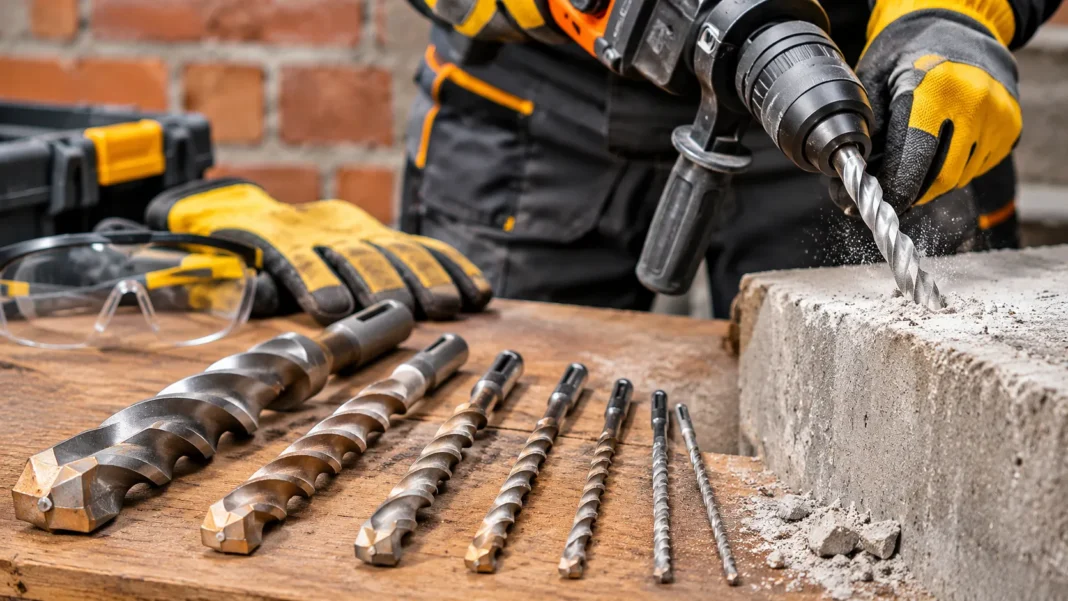

Drilling into brick, concrete, stone, or mortar requires the right tools and techniques. An ordinary drill bit may struggle with these hard surfaces, resulting in slow progress, damaged materials, or unnecessary wear. A masonry drill bit is specifically designed to cut through mineral-based building materials more effectively. Choosing the correct bit can make home improvement and construction projects easier, safer, and more accurate.
Whether you are installing wall shelves, mounting outdoor fixtures, or working on a renovation project, understanding masonry drill bits is important. Different materials require specific bit designs, sizes, and drilling methods. This guide explains what masonry drill bits are, how they work, their different types, and how to select the best option for your project.
What Is a Masonry Drill Bit?
A masonry drill bit is a specialized cutting tool designed to create holes in hard construction materials. It is commonly used for drilling into brick, concrete, mortar, natural stone, and certain types of masonry blocks. Unlike ordinary wood or metal drill bits, masonry bits typically feature a hardened cutting tip. This construction helps them withstand abrasive mineral surfaces during drilling.
Most standard masonry drill bits have a carbide-tipped cutting edge attached to a steel body. The cutting tip breaks down the material while the spiral flutes carry loose dust away from the hole. Different designs are available for standard drills, hammer drills, and rotary hammers. Selecting the appropriate design depends on the drilling machine and surface being worked on.
Masonry drill bits are useful for many home improvement and construction applications. They help create openings for wall plugs, screws, anchors, and mounting hardware. Proper selection improves drilling efficiency and reduces unnecessary damage to the surrounding surface. However, hard materials still require careful handling, suitable equipment, and appropriate safety precautions.
How Does a Masonry Drill Bit Work?
A masonry drill bit works by breaking down hard material at the cutting tip. The rotation of the drill helps the cutting edges remove material from the surface. In hammer drilling, repeated forward impacts assist the bit in breaking through masonry. The loosened particles move along the flutes and out of the drilled hole.
The effectiveness of this process depends on the hardness and composition of the material. Soft brick may require less drilling force than dense concrete or natural stone. Some masonry surfaces can be drilled using ordinary rotary action with an appropriate bit. Others benefit from hammer action or a rotary hammer designed for demanding applications.
During drilling, friction and repeated contact can generate heat and wear. Excessive pressure may reduce efficiency or damage the cutting tip. Maintaining control and following the drill manufacturer’s instructions helps produce cleaner holes. Correct drilling equipment also supports safer handling when working with harder building materials.
Different Types of Masonry Drill Bits
Masonry drill bits are available in several designs suited to different surfaces and drilling machines. Standard carbide-tipped bits are commonly used for household drilling tasks involving brick, mortar, and some concrete. Heavy-duty designs are intended for demanding construction materials. Understanding these differences helps you avoid buying a bit that does not match your project.
Hammer drill bits are designed to tolerate repeated impacts from compatible hammer drills. Rotary hammer bits usually use specialized shanks and cutting heads intended for stronger hammering action. Multi-material bits are another option for projects involving several surfaces, although their performance varies. Always check the manufacturer’s approved applications before choosing a bit.
Some specialized bits are designed for particular materials or hole sizes. Masonry core bits create larger openings, while certain carbide or diamond-tipped tools are used for hard tile and stone. These products are not interchangeable in every application. Matching the cutting design to the material and machine provides better results than choosing based on appearance alone.
Carbide-Tipped Masonry Drill Bits
Carbide-tipped masonry drill bits are among the most familiar options for general construction work. Their hardened cutting tips help resist abrasion when drilling brick, mortar, and suitable concrete. Most have a steel shaft with spiral flutes for removing loose material. They are widely available in different lengths and diameters.
These bits are often suitable for tasks such as installing wall anchors or mounting lightweight fixtures. Their performance depends on the carbide grade, cutting geometry, and condition of the material. Some models support hammer drilling, while others are intended for rotary operation. Checking product specifications helps ensure the bit is used correctly.
Carbide-tipped bits can wear over time, especially when used on dense or abrasive surfaces. A damaged or worn tip may drill slowly and produce less accurate holes. Inspecting the cutting edge before use helps identify visible damage. Replacing unsuitable bits is generally more effective than applying excessive force during drilling.
SDS Masonry Drill Bits for Tough Materials
SDS masonry drill bits are designed for compatible rotary hammer tools. Their specialized shanks connect to matching chucks that allow the drilling mechanism to deliver powerful hammering action. These systems are commonly used for demanding work in concrete and other hard masonry. They are particularly useful when standard hammer drills lack sufficient performance.
Common shank systems include SDS-plus and SDS-max, which are designed for different tool categories. SDS-plus is frequently used for smaller and medium-sized rotary hammer applications. SDS-max is generally associated with larger, heavier-duty equipment. The two systems are not directly interchangeable, so checking tool compatibility is essential.
SDS masonry drill bits are available with different cutting head designs and flute patterns. Some feature multiple cutting edges that improve stability when working with reinforced concrete. However, performance depends on the bit’s stated capabilities and the material encountered. These tools should only be operated according to manufacturer instructions and appropriate safety requirements.
Masonry Drill Bit vs Regular Drill Bit
The main difference between a masonry drill bit and a regular drill bit is its cutting design. Standard wood bits are shaped to cut timber fibers, while metal bits are designed for suitable metals. Masonry bits use harder cutting materials and geometries that tolerate abrasive surfaces. These differences affect how effectively each bit handles specific materials.
Using an ordinary drill bit on concrete or brick can quickly wear or damage its cutting edges. It may also create excessive heat without producing meaningful drilling progress. Similarly, a standard masonry bit may not provide the cleanest results in wood or metal. Specialized drill bits are generally more reliable when matched to their intended surfaces.
Choosing the correct bit also affects drilling accuracy and equipment condition. An unsuitable bit can wander across the surface or create irregular holes. Proper cutting geometry reduces unnecessary effort and helps maintain control. Understanding these differences is useful when selecting tools for home maintenance and construction projects.
Choosing the Right Masonry Drill Bit Size
Masonry drill bit size determines the diameter of the hole created in the material. Common diameters vary from small holes for household fixings to larger openings for construction applications. The correct size depends on the anchor, fastener, or installation requirements. Selecting a bit without checking these details can lead to loose or unsuitable fixings.
For wall plugs and masonry anchors, follow the fixing manufacturer’s specified hole diameter. Different anchor systems may require different hole sizes even when their fasteners appear similar. The hole depth is also important because some anchors need additional clearance. Accurate measurements help ensure that the installed fixing performs as intended.
Drill bit length matters when working with thicker masonry or deeper anchor holes. A short bit may not reach the required depth, while an unnecessarily long bit can be harder to control. Consider both usable drilling depth and overall bit length. Choosing suitable dimensions improves accuracy and reduces avoidable installation problems.
Best Drill Bits for Brick Walls
Brick is a common building material used in residential and commercial construction. A suitable carbide-tipped masonry drill bit can handle many standard brick-drilling tasks. However, brick hardness varies depending on manufacturing methods and material composition. Dense engineering bricks may require stronger equipment than softer traditional bricks.
The choice between drilling into brick or mortar depends on the fixture and installation requirements. Mortar may be easier to drill, but it does not always provide the same holding performance as sound brick. Some anchors are specifically designed for particular masonry materials. Follow the fixing manufacturer’s instructions rather than assuming every location offers equal support.
For visible brick surfaces, accurate hole placement helps reduce cosmetic damage. Marking the intended position and using suitable drilling equipment improves control. Brittle, cracked, or deteriorating brick requires additional caution because it may not support a fixing reliably. Structural or heavy-load installations may require professional assessment before drilling.
Best Masonry Drill Bits for Concrete
Concrete is generally harder to drill than many common bricks or mortar joints. Its mixture of cement, sand, and aggregates creates an abrasive surface that can challenge unsuitable tools. For dense concrete, compatible hammer drilling equipment is often more effective than basic rotary drilling. The correct bit helps maintain cutting performance and hole accuracy.
A carbide-tipped hammer drill bit may work for smaller holes in suitable concrete. For frequent drilling or demanding materials, a rotary hammer and compatible SDS bit may provide better results. Reinforced concrete presents additional challenges because steel reinforcement may lie beneath the surface. Specialized equipment and professional guidance may be necessary.
Before drilling concrete, confirm that the location is appropriate and that hidden services are not present. Structural components, electrical wiring, plumbing, and reinforcement should not be damaged. The installation requirements also determine the necessary anchor and hole dimensions. Careful planning helps protect both the building and the drilling equipment.
Drilling Into Natural Stone and Masonry Blocks
Natural stone varies considerably in hardness, texture, and tendency to fracture. Limestone, sandstone, granite, and other stone materials may require different drilling approaches. Some surfaces respond well to suitable carbide masonry bits, while harder or more delicate materials may require specialized diamond tools. Selecting equipment based on the exact stone type is important.
Masonry blocks also vary in density and internal construction. Solid concrete blocks, hollow blocks, and lightweight aerated blocks do not behave identically during drilling. Some materials require specialized anchors that accommodate their structure. Using a suitable bit alone does not guarantee that a fixing will hold securely.
Decorative stone surfaces require particular attention because cracks and chips may be difficult to repair. Before beginning, check whether the material needs a specialized drilling method or professional handling. A test on an inconspicuous sample may help when appropriate. Accurate planning is especially important for expensive or fragile surfaces.
Hammer Drill vs Rotary Hammer for Masonry
Hammer drills and rotary hammers both support drilling into masonry, but they operate differently. A hammer drill typically combines rotation with a mechanical hammering mechanism. It is often suitable for smaller household drilling tasks in brick and certain concrete surfaces. Performance depends on the machine’s power, bit design, and material hardness.
Rotary hammers use a dedicated impact mechanism that delivers stronger blows for demanding masonry applications. They commonly operate with SDS-compatible bits and are useful for concrete drilling. Some models also support chiseling functions when equipped for that purpose. These machines are generally larger and intended for heavier workloads.
The best choice depends on the material, hole dimensions, and frequency of use. Occasional work on softer masonry may not require a heavy rotary hammer. Repeated drilling into dense concrete may justify more specialized equipment. Choosing the correct machine helps improve efficiency while reducing unnecessary strain on the operator and tools.
Important Features to Look for in Masonry Drill Bits
Cutting tip quality is one of the most important considerations when selecting masonry drill bits. Durable carbide or other suitable cutting materials help withstand abrasive surfaces. The geometry of the cutting head influences drilling efficiency and stability. Product specifications should clearly identify approved materials and intended applications.
Flute design also affects drilling performance because it helps move loose material away from the cutting area. Effective dust removal can reduce clogging and support consistent progress. Bit length, diameter, and overall construction should match the intended hole requirements. These factors become increasingly important when drilling deeper openings.
Shank compatibility is another essential feature that should never be overlooked. Standard cylindrical shanks, hex shanks, and SDS designs serve different chuck systems. A bit must fit the machine properly and be approved for its operating mode. Checking these details before purchasing helps prevent compatibility problems and unnecessary tool damage.
Safety Tips When Using a Masonry Drill Bit
Masonry drilling creates hazards involving dust, noise, flying particles, and hidden building services. Appropriate eye protection and hearing protection are important when required by the equipment and work environment. Some masonry materials can release respirable crystalline silica dust during drilling. Suitable dust extraction and exposure controls are essential, particularly for concrete and brick.
Before starting a drilling project, identify possible electrical cables, plumbing, and other concealed services. Never assume that a wall is clear simply because nothing is visible on its surface. Structural components and reinforced areas may also require special consideration. When locations are uncertain, consult a qualified professional instead of drilling blindly.
Secure workpieces when appropriate and follow the manufacturer’s operating instructions. Inspect bits and equipment for damage before use, and avoid forcing tools beyond their rated capabilities. Disconnect power or remove the battery before changing accessories, following the manufacturer’s guidance. Safe preparation is just as important as choosing the correct drilling accessory.
Common Masonry Drilling Mistakes to Avoid
One common mistake is using a drill bit designed for the wrong material. Ordinary wood or metal bits may wear quickly when applied to abrasive masonry. Another mistake involves selecting an incompatible shank or drilling mode. These issues can reduce performance and potentially damage equipment.
Applying excessive pressure is another problem that can affect drilling results. More force does not always produce faster progress and may contribute to overheating or bit damage. Poor hole placement can also create difficulties when installing anchors. Taking time to verify the intended location and tool requirements can prevent unnecessary repairs.
Ignoring dust management and hidden services creates more serious risks than an inaccurate hole. Masonry dust may contain harmful fine particles, while concealed cables or pipes can present dangerous conditions. Use suitable protective measures and confirm that drilling is permitted at the intended location. Careful preparation helps prevent avoidable problems during masonry projects.
How to Maintain Masonry Drill Bits
Proper maintenance helps masonry drill bits remain reliable over repeated use. After drilling, inspect the bit for visible damage, excessive wear, and trapped debris. Dust accumulation can make it harder to assess cutting edge condition. Cleaning bits according to manufacturer recommendations helps preserve their usability.
Store masonry bits in a dry, organized location where their cutting tips are protected. Dedicated cases or holders can prevent accessories from rubbing against one another. Keeping different sizes clearly separated also makes selecting the correct bit easier. Avoid exposing metal accessories to unnecessary moisture because corrosion may affect their condition.
Replace bits that show significant cutting edge damage, bending, or other defects. Continuing to use worn accessories can reduce drilling accuracy and place additional strain on equipment. Some specialized bits may have maintenance requirements beyond basic cleaning. Following the manufacturer’s guidance helps determine when a bit is suitable for continued use.
Where Masonry Drill Bits Are Commonly Used
Masonry drill bits are frequently used in home improvement projects involving brick and concrete walls. Common applications include creating holes for suitable wall plugs, installing fixtures, and preparing anchor locations. The required hole dimensions depend on the selected mounting system. Choosing the correct bit supports more accurate installation.
Outdoor projects may involve drilling into masonry for lighting fixtures, signs, and other accessories. Environmental exposure and material condition influence the selection of anchors and fasteners. Outdoor installations often require corrosion-resistant components designed for the application. The drilling tool, fixing system, and surrounding material must work together effectively.
Construction and renovation professionals also use masonry drilling equipment for various installation tasks. These projects may involve concrete floors, masonry walls, and other mineral-based materials. Larger or structural applications often require specialized machines, engineering guidance, and workplace dust controls. Understanding tool limitations helps distinguish simple household projects from work requiring professional expertise.
Conclusion
Choosing the right masonry drill bit makes drilling into brick, concrete, stone, and similar materials more manageable. Different surfaces require different cutting designs, drill types, and bit dimensions. Standard carbide-tipped bits are useful for many general tasks, while specialized SDS and diamond tools serve more demanding applications. Matching equipment to the project is essential.
Before purchasing a masonry drill bit, consider the material, hole diameter, required depth, and drill compatibility. Check anchor specifications when preparing openings for mounting hardware. Always account for hidden building services and appropriate dust protection. These considerations help improve drilling accuracy and protect both the work surface and equipment.
A suitable masonry drill bit is a useful addition to many home maintenance and construction toolkits. Proper storage, inspection, and replacement help keep accessories in good working condition. By understanding available options and following safe working practices, you can make better tool choices. The right combination of preparation, equipment, and material knowledge leads to more reliable results.
Frequently Asked Questions (FAQs)
What is a masonry drill bit used for?
A masonry drill bit is used to create holes in materials such as brick, concrete, mortar, and certain types of stone. It is commonly used when preparing openings for compatible anchors, screws, and mounting hardware.
Can I use a masonry drill bit with a regular drill?
Some masonry drill bits can be used with regular rotary drills, especially on softer masonry materials. However, dense concrete often requires compatible hammer drilling equipment for more effective performance.
What is the difference between a masonry drill bit and a concrete drill bit?
Concrete drill bits are generally a type of masonry bit designed for concrete surfaces. Masonry bits cover a broader range of materials, while concrete-specific designs may provide improved performance in dense or reinforced concrete.
What size masonry drill bit do I need for wall plugs?
The required drill bit diameter depends on the specific wall plug or anchor. Follow the fixing manufacturer’s recommended hole size and depth rather than choosing a bit based only on screw diameter.
How long does a masonry drill bit last?
Its lifespan depends on material hardness, bit quality, drilling conditions, and frequency of use. Inspect cutting edges regularly and replace the bit when visible damage or significant wear affects its performance.


[…] Masonry Drill Bit: Find the Right Bit for the Job […]