
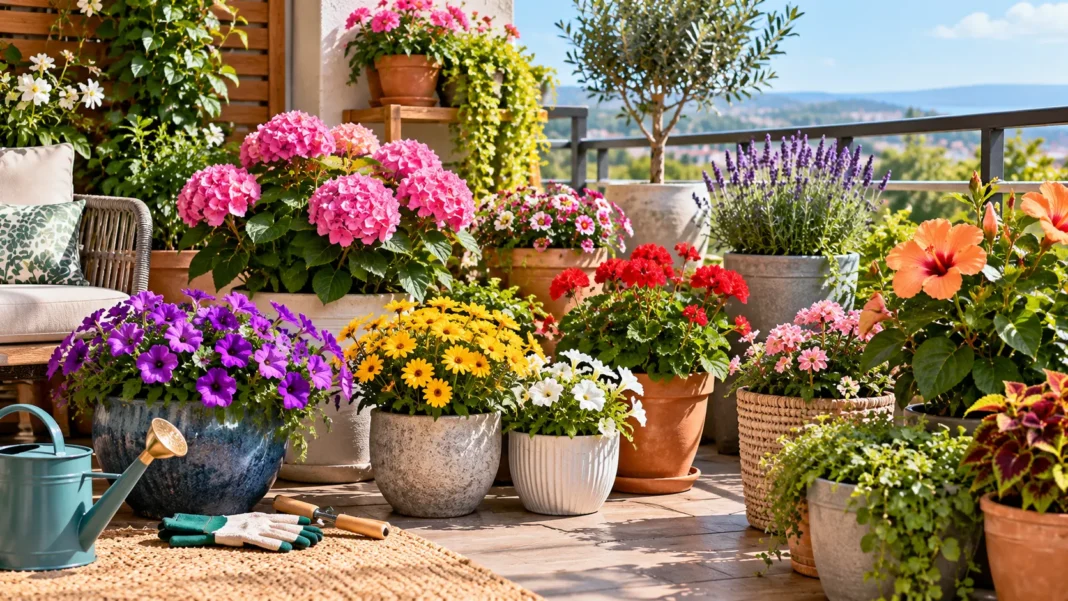

Best Flowers to Grow in Pots and Containers
Growing flowers in pots and containers is an excellent way to bring color, fragrance, and natural beauty into your home or outdoor space. Container gardening allows you to enjoy beautiful flowering plants without needing a large backyard or traditional garden beds. Whether you have a balcony, patio, terrace, or small courtyard, potted flowers can create a welcoming environment.
The best flowers to grow in pots and containers include petunias, marigolds, geraniums, begonias, zinnias, and many other attractive varieties. Some thrive in bright sunlight, while others prefer partially shaded locations. Choosing plants according to their growing conditions helps improve flowering performance and makes everyday maintenance easier.
Petunias: Colorful Flowers for Hanging Pots
Petunias are among the most popular flowers for container gardens because they produce colorful blooms in a wide variety of shades. Their flowers may appear in pink, purple, red, white, yellow, or attractive combinations. Many varieties have spreading or trailing growth habits that make them particularly suitable for hanging baskets and decorative planters.
These flowering plants generally perform best in locations receiving plenty of direct sunlight. Petunias need well-draining potting mix and consistent moisture, especially when growing in hanging baskets that dry quickly. Regular feeding with an appropriate fertilizer can help support flowering during the active growing season.
Trailing petunias can create beautiful displays when planted near the edges of large containers. Their cascading stems soften the appearance of balconies, patios, and raised planters. Removing faded blooms from varieties that benefit from deadheading can encourage a tidier appearance and support continued flowering throughout suitable weather conditions.
Marigolds: Easy Flowers for Sunny Containers
Marigolds are cheerful flowering plants known for their vibrant yellow, orange, and golden blooms. Their compact growth and relatively straightforward care make them excellent choices for beginners. Many varieties perform well in containers, allowing gardeners to add warm colors to entrances, balconies, patios, and other sunny spaces.
These plants generally prefer full sunlight and potting soil that drains efficiently. Water the soil when the upper layer begins to dry, avoiding consistently waterlogged conditions. Marigolds can tolerate periods of warm weather, although they still need sufficient moisture to remain healthy and produce attractive flowers.
French marigolds are particularly suitable for smaller pots because many cultivars maintain a compact growing habit. Taller African marigold varieties may require larger containers and additional space. Removing spent flower heads can help maintain a neat appearance and encourage further blooming during favorable growing conditions.
Geraniums: Classic Flowers for Patio Pots
Geraniums, commonly referring to flowering pelargoniums in container gardening, are popular for their bright flower clusters and attractive foliage. They are frequently grown in window boxes, hanging baskets, and decorative patio containers. Their cheerful blooms make them a familiar choice for adding seasonal color to outdoor seating areas.
Pelargoniums generally grow best in bright locations with several hours of sunlight each day. They prefer well-draining potting mix and benefit from allowing the soil surface to dry slightly between waterings. Excessive moisture around the roots can contribute to plant health problems, particularly in poorly drained containers.
Zonal pelargoniums offer upright flowering displays, while ivy-leaved varieties have trailing stems suited to hanging baskets. Different cultivars provide a range of flower colors and growth habits. With suitable light, occasional feeding, and basic maintenance, these plants can produce attractive seasonal displays in many container gardening environments.
Begonias: Beautiful Flowers for Shaded Pots
Begonias are versatile flowering plants that can brighten areas receiving less direct sunlight. Their flowers appear in many colors, including pink, red, orange, and white. Some varieties also feature decorative foliage, making them appealing even when flowering is less abundant.
Many begonias prefer bright, indirect light or partial shade, although light requirements vary between species and cultivars. They generally need well-draining potting mix and careful watering to avoid saturated roots. Protecting sensitive varieties from intense afternoon sunlight can help reduce leaf damage during hot weather.
Wax begonias are commonly used in compact containers, while tuberous begonias can produce larger, showy flowers. Trailing varieties work well in hanging baskets where their stems can grow naturally. Choosing the appropriate type for your local climate and available light makes begonias a rewarding addition to container gardens.
Zinnias: Bright Summer Flowers for Containers
Zinnias are colorful flowering annuals that provide cheerful displays during warm growing seasons. Their flowers come in numerous shades, including red, pink, orange, yellow, purple, and white. Compact varieties are especially well suited to pots because they provide generous blooms without requiring extensive garden space.
These flowers thrive in sunny locations and generally prefer warm conditions with good airflow. Containers should have adequate drainage, and the potting mix should remain appropriately moist without becoming waterlogged. Watering near the base of the plant can help keep foliage drier and reduce conditions that favor certain fungal diseases.
Zinnias can attract butterflies and other flower-visiting insects, making them useful additions to outdoor container displays. Removing faded blooms may encourage continued flowering, depending on the variety and growing conditions. Dwarf cultivars are particularly convenient for balconies and patios where available space is limited.
Pansies: Colorful Flowers for Cool Weather
Pansies are attractive flowering plants recognized for their distinctive patterned petals and wide range of colors. They are especially popular in containers during cooler seasons when some summer flowers become less productive. Their compact size makes them suitable for window boxes, small planters, and decorative arrangements near doorways.
These flowers generally prefer cool temperatures and bright conditions, although some afternoon shade can be beneficial in warmer climates. Pansies need well-draining soil and consistent moisture to maintain healthy growth. Excessive heat can reduce flowering and shorten their decorative season in regions with hot summers.
Pansies combine beautifully with other cool-season plants, creating colorful displays during autumn, winter, or spring depending on local conditions. Regular removal of faded flowers helps keep containers attractive. Selecting healthy plants and providing suitable seasonal care can support a longer period of flowering.
Impatiens: Excellent Flowers for Shady Containers
Impatiens are popular flowering plants for shaded patios, balconies, and garden corners. Their colorful blooms can provide continuous visual interest in locations where many sun-loving flowers struggle. Common flower colors include pink, red, white, orange, and purple, making them versatile for decorative container arrangements.
Traditional impatiens generally prefer partial to full shade, although some modern varieties tolerate more sunlight. They grow best in moisture-retentive but well-draining potting mix. Consistent watering is particularly important during warm conditions because containers can lose moisture quickly.
When choosing impatiens, consider disease resistance because certain varieties are susceptible to downy mildew. New Guinea impatiens and selected resistant cultivars may offer alternatives depending on growing conditions. Providing suitable airflow, appropriate watering, and healthy planting material can improve the appearance and performance of these attractive container flowers.
Lavender: Fragrant Flowers for Sunny Pots
Lavender is a fragrant flowering plant valued for its purple flower spikes, silvery foliage, and Mediterranean character. It works beautifully in decorative containers placed along sunny patios, balconies, or garden pathways. The flowers can attract pollinating insects while adding a pleasant scent to suitable outdoor spaces.
Lavender generally requires full sunlight and excellent drainage to remain healthy. A suitable container should prevent water from collecting around the roots, particularly during rainy weather. Allowing the growing medium to dry appropriately between waterings helps reduce problems associated with excessive moisture.
English lavender is often grown in cooler temperate regions, while some other species tolerate warmer conditions better. The most suitable variety depends on humidity, winter temperatures, and local climate. Selecting an appropriate cultivar and avoiding excessive watering are particularly important for successfully growing lavender in pots.
Dianthus: Fragrant Flowers for Small Containers
Dianthus plants produce attractive flowers in shades of pink, red, white, and purple, often featuring delicate or fringed petals. Many varieties offer a pleasant fragrance, making them appealing for patios and outdoor seating areas. Compact cultivars fit comfortably into smaller containers while creating colorful seasonal displays.
These flowers generally prefer sunny conditions and well-draining potting soil. They benefit from moderate watering and good airflow around the foliage. Avoiding consistently wet growing conditions can help maintain healthy roots and reduce the likelihood of certain fungal problems.
Dianthus varieties differ in growth habit, flowering season, and tolerance of cold or warm conditions. Some are treated as annuals, while others are short-lived perennials. Removing faded flowers from suitable varieties can encourage additional blooms and maintain an attractive appearance during the growing season.
Calibrachoa: Trailing Flowers for Hanging Baskets
Calibrachoa, often sold under the name million bells, is a popular container plant known for its abundant small flowers. Its trailing stems create colorful displays that spill over the edges of hanging baskets and elevated planters. The blooms appear in a wide variety of colors and patterns.
These plants generally perform best in bright sunlight and well-draining potting mix. They need consistent moisture without remaining saturated, particularly during hot weather. Regular feeding can support continued flowering because actively growing container plants use available nutrients over time.
Calibrachoa is particularly effective in mixed arrangements when combined with plants that have compatible sunlight and watering needs. Its cascading growth creates an attractive contrast with upright flowering varieties. Selecting a sufficiently large container helps provide space for healthy root development and improves moisture management.
Verbena: Long-Flowering Plants for Containers
Verbena produces clusters of small, colorful flowers that create attractive displays in sunny outdoor spaces. Many garden varieties have spreading or trailing growth habits, making them suitable for hanging baskets and patio pots. Their flowers commonly appear in pink, purple, red, white, and combinations of these shades.
Most flowering verbenas prefer full sunlight and well-draining soil. They generally perform better when the growing medium is allowed to dry slightly between waterings rather than remaining constantly wet. Adequate airflow is also important because crowded, damp conditions may encourage powdery mildew and other plant health problems.
Trailing verbena can soften container edges and complement upright plants in mixed arrangements. Depending on the variety, occasional trimming may encourage compact growth and additional flowering. Choosing heat-tolerant cultivars can be particularly helpful for gardeners working with sunny balconies or patios during warm seasons.
Fuchsias: Elegant Flowers for Shaded Baskets
Fuchsias are admired for their graceful, hanging flowers that often feature contrasting colors. Their distinctive blooms make them popular choices for hanging baskets, shaded terraces, and sheltered patios. Many varieties create an elegant cascading display that adds visual interest to containers positioned at eye level.
Most commonly grown fuchsias prefer bright, sheltered locations without intense afternoon heat. They generally need consistent moisture and well-draining potting mix to maintain healthy growth. Extremely hot or dry conditions can cause stress, making these plants better suited to mild climates or carefully protected outdoor spaces.
Trailing fuchsias work beautifully in hanging baskets, while upright varieties can provide attractive displays in larger pots. Regular inspection helps identify watering problems and common pests before they become severe. Selecting varieties suited to your climate improves the chances of healthy foliage and reliable flowering.
How to Choose the Right Pots for Flowers
Choosing suitable containers is essential because pot size, material, and drainage influence plant health. Flowering plants need enough space for roots to grow and access moisture and nutrients. Containers that are too small may dry quickly, while excessively large pots can retain more moisture than young plants require.
Drainage holes are particularly important because waterlogged soil can limit oxygen around roots and contribute to root problems. Terracotta pots allow moisture to evaporate through their porous walls, while plastic and glazed containers generally retain moisture longer. The most suitable material depends on climate, plant requirements, and how frequently you can water.
Consider the mature size of each flowering plant before selecting a container. Trailing varieties may look attractive in hanging baskets, while larger upright plants often benefit from stable floor pots. Matching container dimensions to growth habits makes maintenance easier and supports healthy development throughout the flowering season.
Best Soil and Fertilizer for Potted Flowers
Quality potting mix is one of the most important ingredients for successful container gardening. Unlike ordinary garden soil, suitable potting mixes are formulated to provide a balance of drainage, moisture retention, and airflow. This structure allows roots to access water and oxygen while reducing the risk of overly compacted soil.
Different flowering plants may benefit from slightly different growing conditions. Lavender prefers particularly free-draining material, while moisture-loving begonias and impatiens require a medium that retains adequate water. Choosing the right mix helps support stronger roots and reduces common container gardening problems.
Fertilizer can replenish nutrients as plants grow and produce flowers, especially when frequent watering removes nutrients from containers. Use an appropriate fertilizer according to its label and the needs of your plants. Excessive feeding can damage roots or encourage foliage growth at the expense of flowers, so balanced application is important.
Watering Tips for Container Flowers
Watering is one of the most important aspects of maintaining healthy flowers in pots and containers. Potted plants often dry faster than flowers growing directly in garden soil because their roots have access to a limited volume of growing medium. Weather, pot size, plant type, and sunlight exposure all influence watering needs.
Check moisture by feeling the potting mix rather than following a rigid watering schedule. Some plants prefer consistently moist soil, while others grow better when the surface dries between watering sessions. When watering, apply enough to moisten the root zone and allow excess water to drain away.
Avoid leaving containers standing in water for extended periods unless the planting system is specifically designed for that purpose. Excess moisture can contribute to root problems, while prolonged dryness may reduce flowering. Observing plant condition and soil moisture regularly helps you develop a suitable routine for each container.
Common Mistakes When Growing Flowers in Pots
One common mistake is choosing flowering plants without considering how much sunlight the growing location receives. Sun-loving flowers may produce fewer blooms in deep shade, while shade-tolerant plants can suffer damage under intense direct sunlight. Matching plant requirements to available light is essential for successful container gardening.
Another mistake involves using containers without drainage holes or filling pots with dense garden soil. These conditions can prevent proper water movement and restrict root development. Choosing suitable potting mix and containers helps create a healthier growing environment while making moisture management more predictable.
Gardeners sometimes overcrowd containers to create an immediately full appearance. Although densely planted arrangements can look attractive initially, mature plants may compete for light, moisture, and nutrients. Allowing appropriate spacing and combining plants with compatible growing needs improves long-term performance and makes routine maintenance easier.
Conclusion
The best flowers to grow in pots and containers provide an easy way to bring natural beauty into balconies, patios, terraces, and small gardens. Petunias, marigolds, geraniums, begonias, and many other flowering varieties offer different colors and growth habits. Selecting plants suited to your available sunlight and local climate helps create attractive displays.
Successful container gardening depends on more than choosing beautiful flowers. Appropriate pot sizes, drainage, quality growing media, and consistent watering all contribute to healthy plants. Understanding the needs of each variety makes it easier to prevent common problems and maintain flowering displays throughout suitable growing seasons.
Whether you prefer colorful hanging baskets, fragrant patio flowers, or compact planters beside an entrance, container gardening offers flexible possibilities. Start with manageable plants and expand your collection as you learn their requirements. With thoughtful selection and regular care, even a small outdoor space can become a welcoming flowering garden.
Frequently Asked Questions (FAQs)
What are the easiest flowers to grow in pots?
Marigolds, petunias, pelargoniums, zinnias, and wax begonias are popular beginner-friendly choices. Their care requirements vary, so selecting varieties suited to your sunlight, climate, and watering routine is important.
Which flowers bloom the longest in containers?
Petunias, calibrachoa, pelargoniums, and certain verbena varieties can provide extended flowering during suitable growing conditions. Adequate light, appropriate feeding, and regular maintenance help support their blooming performance.
What flowers grow best in pots with full sun?
Marigolds, zinnias, petunias, lavender, and many verbena varieties generally perform well in sunny containers. They still need suitable soil, adequate drainage, and watering appropriate to local weather conditions.
Can flowers grow in pots without drainage holes?
Growing most flowering plants in pots without drainage holes is not recommended because excess water can accumulate around the roots. Using a container with drainage improves water management and reduces root problems.
How often should you water flowers in containers?
Watering frequency depends on plant type, container size, weather, and growing medium. Check soil moisture regularly and water according to the plant’s needs rather than following the same fixed schedule for every flower.

