
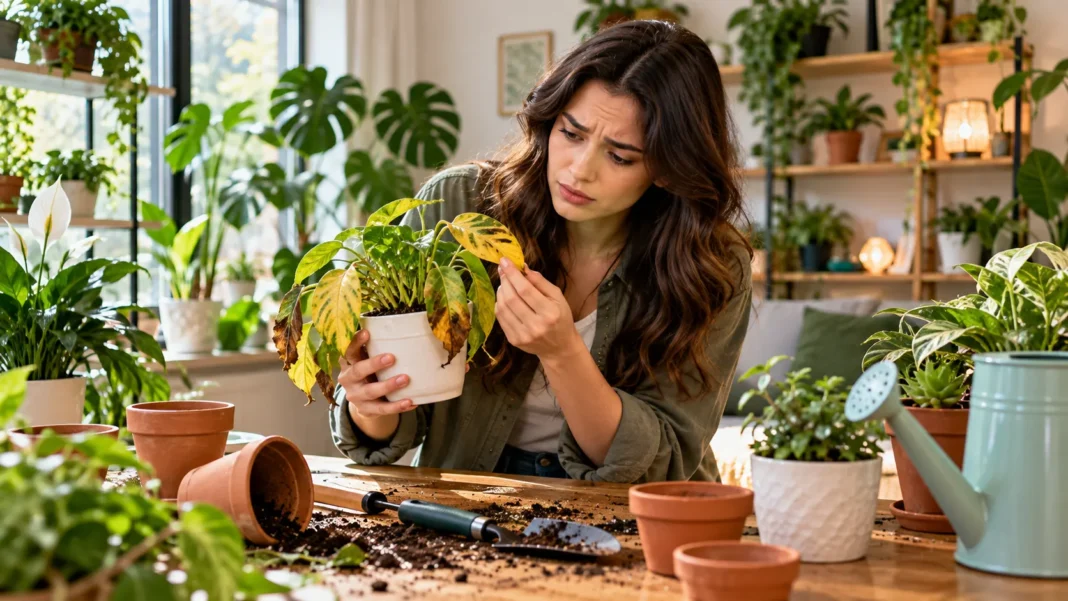

Indoor gardening is a wonderful way to bring nature into your home while creating a fresh and relaxing environment. Whether you grow decorative houseplants, herbs, or small vegetables, indoor plants can improve the appearance of your living space. However, keeping plants healthy indoors requires more than simply watering them occasionally. Understanding common indoor gardening mistakes can help you avoid unnecessary problems and maintain a thriving indoor garden.
Many beginners struggle with issues such as yellow leaves, slow growth, root rot, and dying houseplants. These problems often develop because of incorrect watering schedules, insufficient sunlight, unsuitable soil, or poor drainage. Even experienced plant owners sometimes overlook important environmental factors that affect plant health. Learning proper indoor plant care techniques can make gardening easier and more rewarding.
This guide explores the most common indoor gardening mistakes you should avoid and explains how to prevent them. You will discover practical tips for watering, lighting, soil selection, fertilization, pest management, and plant placement. With the right knowledge and consistent care, you can create a healthier indoor growing environment and enjoy beautiful plants throughout the year.
Choosing the Wrong Plants for Your Indoor Environment
One of the biggest indoor gardening mistakes is selecting plants without considering your home’s growing conditions. Different houseplants require different levels of sunlight, humidity, temperature, and maintenance. A plant that thrives in bright tropical conditions may struggle inside a dim apartment. Choosing unsuitable varieties can lead to weak growth and disappointing results.
Before purchasing indoor plants, evaluate the amount of natural light available in your home. Observe which windows receive direct sunlight and which areas remain shaded throughout the day. Consider room temperature, seasonal changes, and available space. These factors help determine which plants are most likely to thrive in your environment.
Beginners often benefit from starting with adaptable plants such as pothos, snake plants, and ZZ plants. These varieties tolerate a range of household conditions and generally require less frequent attention. However, even low-maintenance plants have specific care requirements. Matching plant needs with your home’s conditions creates a stronger foundation for successful indoor gardening.
Overwatering Your Indoor Plants
Overwatering is one of the most common causes of indoor plant problems. Many people assume that frequent watering automatically helps plants grow faster and remain healthier. However, excessive moisture can displace oxygen from the soil and damage plant roots. Prolonged waterlogging may eventually lead to root rot and plant decline.
Symptoms of overwatering often include yellow leaves, soft stems, drooping foliage, and consistently wet potting soil. Because some of these symptoms resemble underwatering, beginners sometimes add even more water. This can make the situation worse. Checking soil moisture before watering helps prevent unnecessary damage.
Instead of following a strict daily watering schedule, observe the needs of each plant. Some houseplants prefer their soil to dry partially between watering sessions, while others require more consistent moisture. Use your finger or a moisture meter to assess the growing medium. Adjust watering frequency according to plant type, season, temperature, and light exposure.
Underwatering Plants and Ignoring Moisture Needs
Although overwatering is common, allowing indoor plants to remain dry for too long can also create problems. Plants need sufficient moisture to transport nutrients, maintain cell structure, and support healthy growth. Extended drought conditions may cause wilting, curled leaves, dry edges, and reduced development. Severe dehydration can permanently damage sensitive houseplants.
Underwatering often occurs when people assume all indoor plants can survive without regular attention. While succulents and some drought-tolerant plants can handle longer dry periods, tropical foliage plants may need more consistent moisture. Small containers also dry faster than large pots. Understanding these differences helps prevent dehydration.
A practical approach involves checking the soil regularly and watering thoroughly when appropriate. Apply enough water to moisten the root zone while allowing excess moisture to drain away. Avoid giving tiny amounts that wet only the soil surface. Consistent monitoring helps maintain the moisture balance required for healthy indoor plant growth.
Placing Plants in the Wrong Lighting Conditions
Light is essential for photosynthesis, the process through which plants produce energy for growth. One common indoor gardening mistake is placing plants in locations that do not provide suitable light levels. Too little light can cause weak stems, pale leaves, and slow development. Excessive direct sunlight may scorch sensitive foliage.
Different indoor plants have different lighting requirements. Succulents and many flowering plants typically need brighter conditions, while certain tropical foliage plants tolerate lower light levels. However, low-light tolerance does not mean a plant can grow indefinitely in complete darkness. Every plant requires an appropriate source of light.
Observe how sunlight moves through your home during the day. Place bright-light plants near suitable windows and position shade-tolerant varieties farther from intense sunlight. Rotate containers periodically when needed to encourage balanced growth. If natural light is insufficient, a suitable indoor grow light can provide additional illumination.
Using Pots Without Proper Drainage
Choosing attractive containers is part of decorating with indoor plants, but appearance should not be the only consideration. Pots without drainage holes can trap excess water around the roots. This creates waterlogged conditions that interfere with oxygen availability. Over time, poor drainage may contribute to root damage and fungal problems.
Decorative containers often lack drainage openings, making them less suitable for direct planting. A better option is to keep plants in nursery pots with drainage holes and place those inside decorative outer containers. This allows excess water to escape during watering. Empty collected water afterward to prevent prolonged root exposure.
The size and material of a pot also influence moisture retention. Porous terracotta containers generally allow growing media to dry faster than many plastic or glazed pots. Choose containers based on plant requirements rather than appearance alone. Proper drainage is one of the most important foundations of successful indoor plant care.
Using the Wrong Soil for Houseplants
Not all indoor plants grow well in the same type of soil. Regular garden soil can become compacted inside containers, reducing drainage and limiting oxygen around the roots. This may cause water retention problems and unhealthy root development. Using an appropriate potting mix helps create a more suitable growing environment.
Different plants require growing media with different moisture and aeration properties. Cacti and many succulents prefer fast-draining mixes, while moisture-loving tropical plants may benefit from blends that retain some water. Orchids often need coarse materials that allow greater airflow. Matching the growing medium to plant needs improves root health.
When buying potting soil, examine the ingredients and recommended uses. Materials such as perlite, bark, and coconut coir can influence drainage, aeration, and moisture retention. Avoid choosing a mix solely because it is inexpensive or widely available. A suitable substrate supports healthier roots and more consistent plant growth.
Ignoring Indoor Humidity Levels
Humidity plays an important role in the health of many indoor plants, especially tropical varieties. Indoor heating and air conditioning can reduce moisture in the air, creating conditions that differ from a plant’s natural habitat. Low humidity may contribute to crispy leaf edges, browning tips, and reduced growth. Sensitive plants can struggle in consistently dry rooms.
However, not every indoor plant requires high humidity. Succulents and many desert-adapted varieties often prefer relatively dry conditions. Increasing humidity unnecessarily can encourage fungal problems when ventilation is poor. Understanding each plant’s requirements helps prevent mistakes caused by applying identical care routines to every species.
If your plants require additional humidity, consider using a room humidifier or grouping plants with similar environmental needs. Monitor humidity using a hygrometer rather than guessing. Avoid relying on occasional leaf misting as a dependable long-term humidity solution. Maintaining an appropriate moisture level in the surrounding air supports healthier foliage.
Exposing Plants to Extreme Temperatures
Indoor plants generally perform best when temperatures remain within their preferred growing range. Placing houseplants near heaters, air conditioners, or frequently opened doors can expose them to sudden temperature changes. These fluctuations may cause stress, leaf damage, and slower growth. Tropical plants are particularly sensitive to cold drafts.
Direct exposure to heating vents can also dry the surrounding air and growing medium. Similarly, leaves touching cold window glass during winter may experience temperature-related injury. Some plants become stressed when temperatures fall below their tolerance levels. Understanding seasonal household conditions helps prevent these issues.
Keep plants away from strong drafts and sources of excessive heat whenever possible. Monitor indoor temperatures during extreme weather and adjust plant placement accordingly. Avoid moving sensitive plants repeatedly between very different environments. Stable growing conditions make it easier for houseplants to maintain healthy growth throughout the year.
Fertilizing Indoor Plants Too Frequently
Fertilizers supply nutrients that support plant growth, but excessive feeding can create serious problems. Many beginners assume that adding more fertilizer will produce faster growth and greener leaves. However, high concentrations of soluble salts can damage roots and interfere with water absorption. Overfertilization may cause brown leaf tips, weak growth, or declining plant health.
Indoor plants usually require fewer nutrients during periods of slow growth. Fertilizer needs vary according to species, light exposure, potting mix, and growing season. Applying nutrients without considering these factors can lead to unnecessary buildup in containers. More fertilizer is not always beneficial.
Follow the fertilizer manufacturer’s instructions and consider using a suitable diluted solution when appropriate. Avoid feeding plants that are severely stressed, recently damaged, or sitting in excessively wet soil. Monitor their growth and appearance before adjusting the feeding routine. Balanced fertilization supports healthy development without placing unnecessary pressure on the roots.
Forgetting to Clean Dust From Plant Leaves
Dust naturally accumulates on indoor plant leaves, especially in rooms with limited airflow. Thick layers of dust can reduce the amount of light reaching the leaf surface. This may interfere with photosynthesis and make foliage appear dull. Dirty leaves can also make it harder to notice pests or early signs of damage.
Large-leaved houseplants such as rubber plants, monsteras, and peace lilies may collect noticeable dust over time. Gently cleaning their leaves helps maintain their appearance and allows closer inspection. However, delicate or fuzzy leaves may require a different cleaning method. Plant-specific care is important to avoid damaging sensitive surfaces.
Use a soft, slightly damp cloth to wipe suitable smooth leaves gently. Support each leaf while cleaning to avoid tearing or bending it. Avoid harsh cleaning chemicals and unnecessary leaf-shine products that may damage foliage. Regular inspection and gentle cleaning can become a simple part of your indoor gardening routine.
Ignoring Early Signs of Plant Pests
Indoor plants can attract pests even when they never spend time outdoors. Common houseplant pests include spider mites, aphids, mealybugs, fungus gnats, and scale insects. These organisms can weaken plants by feeding on leaves, stems, or roots. Ignoring early warning signs may allow a small infestation to spread.
Look for unusual spots, sticky residue, distorted growth, fine webbing, or insects around the plant. Inspect the undersides of leaves and areas where stems connect. Some pests are difficult to notice until populations increase. Regular observation makes it easier to identify problems before they become severe.
When pests appear, isolate affected plants from healthy ones whenever practical. Identify the pest before selecting an appropriate control method. Gentle cleaning, improved growing conditions, and plant-safe treatment products may help depending on the infestation. Always follow product instructions and avoid applying treatments that are unsuitable for the plant species.
Repotting Indoor Plants at the Wrong Time
Repotting allows plants to access fresh growing media and additional root space when necessary. However, moving plants into new containers too frequently can disturb their roots and create unnecessary stress. Some houseplants grow well in slightly snug containers. Repotting should be based on actual plant needs rather than a fixed calendar.
Signs that repotting may be necessary include roots emerging from drainage holes, unusually rapid drying, and reduced growth caused by limited root space. However, these signs should be evaluated together. Slow growth can also result from poor light, watering problems, or seasonal changes. Correct diagnosis prevents unnecessary disturbance.
When repotting, choose a container only slightly larger than the existing root system. Moving a small plant into an oversized pot can leave excess wet soil around its roots. Use a suitable fresh potting mix and handle roots carefully. Repotting during an active growth period often helps plants recover more efficiently.
Choosing Containers That Are Too Large
A large decorative pot may seem like a good investment because it offers room for future growth. However, oversized containers can create unexpected moisture problems. When the root system occupies only a small portion of the pot, the surrounding soil may remain wet for too long. This increases the risk of poor aeration and root damage.
Plant roots need access to both water and oxygen. Excessively large containers can make it difficult to maintain a suitable balance, especially in low-light conditions. Beginners may also overestimate how much water the plant requires. Container size should reflect the current root system rather than the plant’s eventual mature size.
As a general approach, select a pot that offers modest additional room for root growth. The exact increase depends on the species, root structure, and current container. Ensure that drainage remains effective after repotting. Gradual container upgrades usually make moisture management easier and support healthier indoor plant development.
Watering Every Plant on the Same Schedule
One common mistake is watering every houseplant at the same time regardless of individual requirements. Different species consume water at different rates, and their needs also change with environmental conditions. A cactus and a tropical fern should not automatically receive identical watering. Treating them the same can cause dehydration or excessive moisture.
Light exposure, temperature, humidity, container size, and growing medium all affect how quickly soil dries. Plants in bright locations may use water faster than similar plants in shaded rooms. Seasonal growth patterns also influence watering frequency. Understanding these factors prevents reliance on unsuitable routines.
Instead of using one fixed schedule, group plants according to their moisture preferences and inspect them regularly. Check the growing medium before adding water. Keep brief notes if you manage a large collection of houseplants. A flexible watering routine provides better results than following the calendar without considering actual plant conditions.
Not Providing Enough Air Circulation
Air circulation is an often-overlooked part of healthy indoor gardening. When plants are crowded together in poorly ventilated spaces, moisture may remain on leaves and soil surfaces for extended periods. These conditions can increase the likelihood of certain fungal problems. Stagnant air can also make humidity and temperature management more difficult.
Good airflow helps create a more balanced growing environment around indoor plants. It can support evaporation from damp surfaces and reduce excessively humid pockets between closely packed leaves. However, strong drafts may damage delicate plants or dry their growing media too quickly. Gentle movement of air is generally preferable.
Avoid placing too many plants tightly together without space for airflow. Use normal room ventilation where appropriate and keep foliage away from direct heating or cooling blasts. A small circulating fan may help in enclosed growing spaces when used carefully. Balanced ventilation supports plant health without exposing foliage to harsh conditions.
Neglecting Plant Pruning and Maintenance
Indoor plants need occasional maintenance to remain healthy and attractive. Dead leaves, damaged stems, and excessive growth can reduce their appearance and sometimes make pest inspection more difficult. Some plants benefit from selective pruning that encourages branching or maintains a manageable shape. However, not every species responds to pruning in the same way.
Leaving damaged foliage attached is not always harmful, but removing fully dead material can improve cleanliness. Pruning can also help manage vines that become tangled or grow beyond their available space. Excessive cutting, however, may reduce a plant’s ability to produce energy. Understanding its natural growth habit is essential.
Use clean, sharp tools when removing unwanted plant material. Avoid cutting large amounts of healthy foliage without a clear reason. Inspect the plant afterward for signs of stress or new growth. Regular maintenance should support the plant’s development rather than force it into an unsuitable shape.
Moving Indoor Plants Too Frequently
Indoor plants gradually adjust to the light, temperature, and humidity conditions surrounding them. Moving a plant repeatedly between very different environments may interrupt that adjustment. Sudden exposure to stronger sunlight can cause leaf damage, while reduced light may slow growth. Consistent placement often supports healthier development.
Some houseplants are particularly sensitive to changes in their environment. Flowering plants may respond to sudden changes by dropping buds or reducing flowering. Other species may show temporary leaf yellowing or slower growth after relocation. These reactions are not always signs of permanent damage, but they deserve attention.
Choose plant locations based on their growing requirements and avoid unnecessary movement. If a plant needs brighter light, introduce the change gradually when possible. Seasonal adjustments may still be necessary as sunlight patterns shift. Thoughtful placement helps plants adapt without repeatedly experiencing avoidable environmental stress.
Expecting Indoor Plants to Grow Quickly
Many beginners become concerned when their indoor plants do not produce new leaves every week. However, plant growth depends on species, maturity, light, temperature, nutrition, and seasonal conditions. Some houseplants naturally grow slowly even under suitable conditions. Slow growth does not automatically indicate poor health.
Plants often grow more slowly during periods with shorter daylight hours or cooler temperatures. Indoor conditions may also limit the amount of energy available for development. Adding extra fertilizer or water will not necessarily solve this problem. Excessive intervention can sometimes create additional stress instead.
Focus on observing leaf condition, root health, and gradual development instead of expecting constant visible growth. Keep care routines consistent and make adjustments only when evidence suggests they are necessary. Patience is an important part of indoor gardening. Healthy plants often respond best to stable conditions rather than frequent changes.
Ignoring Seasonal Changes in Indoor Plant Care
Indoor growing conditions change throughout the year, even when plants remain inside the same room. Daylight duration, sunlight intensity, household heating, and humidity can vary significantly between seasons. These changes influence water consumption and growth rates. Following identical care routines throughout the year may create avoidable problems.
During brighter growing periods, some plants use more water and may benefit from appropriate feeding. In cooler or darker months, growth often slows and moisture remains in the soil longer. Continuing frequent watering under these conditions can increase the risk of root problems. Seasonal observation helps prevent this mistake.
Review plant placement as sunlight shifts between windows and rooms. Reduce or increase watering based on actual soil conditions rather than the calendar alone. Adjust fertilization according to active growth and individual plant requirements. Flexible seasonal care helps maintain healthier houseplants throughout changing environmental conditions.
Not Researching Individual Plant Requirements
One of the most important indoor gardening lessons is that every plant has different needs. Advice that works well for pothos may not be suitable for orchids, succulents, or ferns. Applying general care recommendations without considering species differences can create confusion. Accurate plant identification is therefore an important first step.
When purchasing a new houseplant, learn about its preferred lighting, watering, temperature, and soil conditions. Consider whether it needs additional humidity or specialized nutrients. You should also understand its expected size and growth pattern. These details help determine whether the plant suits your available space and lifestyle.
Keep a simple plant care record containing the species name and important maintenance information. Review changes in appearance and adjust care when necessary. Reliable observations are often more useful than following every gardening tip found online. Learning the specific needs of each plant makes indoor gardening more predictable and enjoyable.
Conclusion
Indoor gardening can be an enjoyable and rewarding activity when you understand the basic needs of your plants. Many common problems result from overwatering, unsuitable lighting, poor drainage, incorrect soil, and inconsistent maintenance. Recognizing these indoor gardening mistakes early can help prevent unnecessary plant damage and create healthier growing conditions.
Successful indoor plant care requires observation, patience, and an understanding of individual plant requirements. Instead of applying identical routines to every houseplant, consider differences in water needs, sunlight preferences, humidity, and seasonal growth. Small adjustments in placement and maintenance can make a significant difference in long-term plant health.
Whether you are growing your first houseplant or managing a large indoor collection, avoiding common mistakes makes gardening easier. Focus on providing suitable growing conditions and responding to genuine signs of stress. With consistent attention and practical care habits, you can build a thriving indoor garden that adds natural beauty to your home.
Frequently Asked Questions (FAQs)
What is the most common mistake in indoor gardening?
Overwatering is one of the most common indoor gardening mistakes. Excess moisture can reduce oxygen around plant roots and cause root rot. Always check soil moisture before watering your houseplants.
How often should indoor plants be watered?
Watering frequency depends on plant species, soil type, lighting, temperature, and humidity. Instead of using a fixed schedule, check the growing medium regularly and water according to each plant’s moisture requirements.
Why do indoor plants turn yellow?
Yellow leaves can result from overwatering, underwatering, insufficient light, nutrient problems, or natural aging. Examine soil moisture, growing conditions, and the pattern of yellowing before deciding how to correct the problem.
Can indoor plants survive without sunlight?
Plants require light for photosynthesis, although some tolerate low-light environments. When natural sunlight is insufficient, suitable artificial grow lights can provide the illumination needed for healthy growth and development.
What are the easiest indoor plants for beginners?
Pothos, snake plants, ZZ plants, and spider plants are popular beginner-friendly houseplants. They generally tolerate common indoor conditions, but each still needs appropriate lighting, watering, drainage, and occasional maintenance.

