
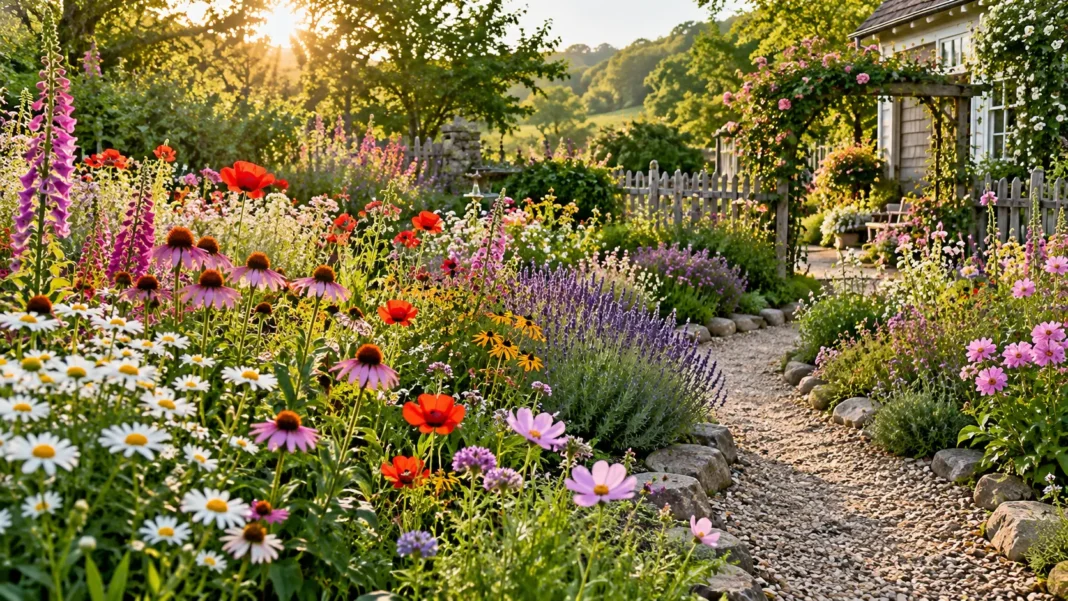

Wildflower Garden Ideas for a Beautiful Natural Landscape
Wildflower garden ideas offer a wonderful way to create an outdoor space that feels relaxed, colorful, and connected to nature. Unlike formal gardens with carefully trimmed borders, wildflower gardens embrace flowing arrangements, seasonal changes, and diverse plant combinations. Their informal beauty makes them attractive for homeowners who want a natural-looking landscape filled with flowers, greenery, and wildlife activity.
A thoughtfully designed wildflower garden can transform an ordinary lawn, backyard corner, or front yard into a vibrant planting area. Native flowers, ornamental grasses, and flowering perennials work together to create texture and movement. Depending on the plants selected, these gardens may also provide food and shelter for bees, butterflies, birds, and other beneficial wildlife.
Creating a natural wildflower garden requires more planning than simply scattering a packet of seeds across the ground. Soil conditions, sunlight, climate, and plant selection influence how successfully flowers establish and grow. This guide explores practical wildflower garden designs, planting techniques, and maintenance ideas to help you develop an appealing outdoor space that reflects the beauty of nature.
Choose Native Wildflowers for an Authentic Natural Look
Native wildflowers are an excellent starting point when designing a garden inspired by local natural landscapes. These plants occur naturally within a particular region and are often adapted to its climate, soils, and seasonal conditions. Selecting locally appropriate species can help create planting combinations that look established and complement the surrounding environment.
Native flowering plants also provide valuable resources for wildlife, including pollen, nectar, seeds, and shelter. Depending on your location, suitable choices might include regional asters, goldenrods, coneflowers, or native salvias. However, a species considered native in one country or state may not be appropriate elsewhere, making local identification important.
For the most natural appearance, combine plants with different flowering periods, heights, and growth habits. Allow flowers to form informal groups rather than arranging every plant in rigid rows. Choosing species suited to your soil and available sunlight can also reduce maintenance challenges while encouraging a more resilient and attractive wildflower planting.
Create a Colorful Wildflower Meadow
A wildflower meadow is one of the most appealing ways to introduce natural beauty into a larger garden. Meadow-style planting typically combines flowering plants with grasses, creating a soft landscape that changes throughout the growing season. The effect is especially attractive when flowers appear in loose clusters, allowing different colors and textures to blend naturally.
Begin by selecting a sunny area with suitable soil and removing existing aggressive vegetation before planting. Choose a regional meadow seed mixture containing appropriate native species rather than relying on generic seed packets. Some mixtures include plants that spread aggressively or are poorly suited to local conditions, so checking the species list is essential.
Wildflower meadows often require patience because perennial plants may take more than one growing season to establish fully. During the first year, controlling unwanted weeds is usually more important than expecting abundant flowers. Once established, an appropriately managed meadow can provide beautiful seasonal displays and a distinctive alternative to conventional ornamental planting.
Design a Cottage-Style Wildflower Garden
Cottage-style wildflower gardens combine the relaxed beauty of natural planting with the charm of traditional flower borders. These spaces often feature informal arrangements, abundant blooms, and winding paths surrounded by greenery. Mixing wildflowers with suitable garden perennials creates a welcoming appearance that feels colorful without looking excessively structured or artificial.
To achieve this style, combine flowering plants with different heights and bloom shapes. Taller flowers can rise behind smaller species, while low-growing plants soften the edges of paths and planting beds. Repeating selected colors throughout the garden helps create visual harmony, even when individual plants have different forms and textures.
Decorative features such as rustic benches, wooden fences, and simple stone pathways can complement the planting without dominating the space. Avoid overcrowding young plants because they need sufficient room to establish. A successful cottage-style garden balances abundant flowering with accessible paths, comfortable seating, and appropriate growing conditions for every selected species.
Add Wildflower Borders Along Garden Pathways
Wildflower borders can transform ordinary garden paths into inviting features surrounded by seasonal color and movement. Planting flowers along walkway edges creates a natural transition between built surfaces and surrounding greenery. This design works particularly well with gravel paths, stepping stones, and informal garden trails that complement relaxed landscape arrangements.
Choose compact flowers near the path and position taller plants farther back to maintain comfortable access. Species with different flowering seasons help keep the border visually interesting for longer periods. Combining fine-textured grasses with flowering perennials can also introduce gentle movement, especially in areas exposed to occasional breezes.
Pathway borders should remain manageable so plants do not obstruct walking routes or hide uneven surfaces. Leave adequate space for mature plant growth and remove vegetation that spreads excessively across the path. Repeating a few reliable species along the route can create continuity while maintaining the spontaneous appearance associated with natural wildflower gardens.
Create a Pollinator-Friendly Wildflower Garden
A pollinator-friendly wildflower garden supports beneficial insects by providing flowering resources throughout the growing season. Bees, butterflies, hoverflies, and other pollinators depend on suitable plants for food and habitat. Designing a garden with a variety of locally appropriate flowers can encourage biodiversity while creating an attractive landscape filled with seasonal activity.
Choose plants with different flower shapes and overlapping bloom periods to support diverse pollinator needs. Clusters of the same species can make floral resources easier for insects to locate. Native host plants are particularly valuable for certain butterflies because their caterpillars may depend on specific plant species during development.
Avoid unnecessary pesticide applications, especially when plants are flowering and pollinators are active. Providing undisturbed habitat areas, suitable nesting spaces, and shallow water sources can complement flowering plants. A pollinator garden does not need to appear neglected; thoughtful grouping, defined edges, and clear pathways can combine ecological value with attractive landscape design.
Use Ornamental Grasses for Natural Texture
Ornamental grasses can add movement, structure, and visual softness to a wildflower garden. Their slender leaves and distinctive seed heads provide contrast against colorful blossoms and broad-leaved plants. When carefully selected, grasses help create the layered appearance commonly associated with natural meadows, prairies, and informal countryside landscapes.
Native grasses are often particularly suitable because they can complement regional wildflower communities. Some form compact clumps, while others spread more widely through underground stems or self-seeding. Understanding mature size and growth behavior is essential because aggressive grasses may overwhelm delicate flowering plants or become difficult to manage.
Arrange grasses in small groups among wildflowers rather than creating an excessively uniform planting pattern. Their seed heads may provide visual interest during autumn and winter, even after many flowers finish blooming. Leaving suitable dried stems standing temporarily can also provide shelter for wildlife while maintaining a distinctive seasonal landscape.
Plant Wildflowers in Small Garden Spaces
Wildflower gardens are not limited to spacious backyards or large rural properties. Small patios, narrow side yards, and compact front gardens can support attractive naturalistic planting when species are selected carefully. Even a modest planting bed can introduce seasonal color and provide valuable resources for pollinators visiting the surrounding neighborhood.
In limited spaces, choose compact varieties and avoid plants that require extensive spreading room. A small selection of compatible flowering species often produces a more balanced appearance than overcrowding many unrelated plants. Combining low-growing flowers with a few taller accents creates depth and makes the garden feel more established.
Containers and raised beds offer additional flexibility for homeowners working with restricted ground space. They allow better control over growing media, drainage, and plant placement. However, container-grown wildflowers generally require closer attention to watering because their root systems cannot access moisture beyond the limited soil available inside each planter.
Create a Natural Wildflower Front Yard
A wildflower front yard can improve curb appeal while introducing a softer alternative to traditional lawns. Naturalistic planting creates an attractive entrance through colorful flowers, flowing grasses, and seasonal changes. A carefully designed front garden can appear welcoming and intentional without relying on formal hedges or heavily maintained ornamental borders.
Start by defining clear planting areas around walkways, driveways, and important access points. Group compatible wildflowers in repeated clusters to establish visual rhythm across the landscape. Maintaining visible edges between flower beds and paths can help the garden look organized, even when individual plants grow in loose and informal shapes.
Consider neighborhood requirements, visibility near roads, and the mature height of selected plants before planting. Taller flowers should not obstruct windows, sidewalks, or vehicle sightlines. Choosing species adapted to local weather conditions can also make the design easier to maintain while supporting the relaxed appearance of a natural wildflower landscape.
Design a Wildflower Garden With Seasonal Blooms
A successful wildflower garden offers visual interest across different seasons rather than relying on one short flowering period. Combining early, midseason, and late-blooming species can extend colorful displays and support wildlife over time. Seasonal planning also helps prevent large sections of the garden from appearing empty after particular flowers finish blooming.
Spring-flowering plants may introduce the first bursts of color, followed by summer flowers that create fuller displays. Late-season asters, goldenrods, and other regionally appropriate plants can provide autumn interest. Exact bloom periods vary according to climate, so local plant recommendations offer a more reliable guide than generalized seasonal planting calendars.
Foliage, grasses, and seed heads contribute additional beauty when flowers are not actively blooming. Some dried stems remain attractive through winter and provide resources for birds and insects. By considering the garden throughout the entire year, homeowners can create a natural-looking landscape that changes gracefully instead of depending exclusively on peak flowering.
Add Stone Paths and Rustic Garden Features
Natural materials can complement wildflower garden designs by creating subtle structure within informal planting areas. Stone pathways, gravel surfaces, and untreated-looking wooden features often blend beautifully with flowering landscapes. These elements provide practical access while allowing the surrounding plants to remain the main visual attraction.
A winding stone path can lead visitors through meadow-style planting and reveal different flower combinations along the way. Small benches or seating areas create opportunities to appreciate seasonal changes and wildlife. Using restrained decorative details usually works better than filling every available corner with ornaments that compete with the flowers.
Choose materials appropriate for your local weather and maintenance needs. Paths should remain stable, accessible, and sufficiently wide for comfortable movement. Allowing selected low-growing plants to soften pathway edges can create a relaxed appearance without allowing vegetation to cover surfaces or introduce unnecessary tripping hazards.
Grow Wildflowers in Containers and Raised Beds
Containers offer a flexible way to introduce wildflowers into patios, balconies, and small outdoor spaces. Large pots can accommodate compact flowering perennials and seasonal blooms while providing attractive color near seating areas. Grouping several containers at different heights can create a layered display inspired by traditional meadow and cottage garden planting.
Raised beds provide another option when existing ground conditions are unsuitable for selected plants. They can improve access and allow gardeners to prepare growing media with suitable drainage characteristics. However, many native wildflowers prefer relatively modest soil fertility, so adding large amounts of rich compost is not always beneficial.
Select containers with drainage openings and match the growing medium to the plants’ requirements. Watering needs vary according to temperature, container size, and species, making regular observation important. Combining flowers with similar moisture and sunlight preferences helps create healthier arrangements while reducing maintenance difficulties throughout the growing season.
Prepare Soil for a Healthy Wildflower Garden
Proper soil preparation is one of the most important steps in establishing a successful wildflower garden. Many wildflower species grow well in relatively low-fertility soil, although requirements differ significantly between plants. Understanding existing drainage, soil texture, and sunlight conditions helps determine which species are likely to establish successfully.
Begin by removing unwanted vegetation, particularly persistent grasses and invasive weeds that can compete with young seedlings. Depending on the planting method, soil preparation may involve careful surface cultivation or other techniques that minimize unnecessary disturbance. Avoid automatically adding fertilizer because excessive nutrients can encourage vigorous competing vegetation rather than the desired wildflowers.
A basic soil assessment can help identify drainage problems or unusual growing conditions. Choose plants adapted to the site whenever possible instead of attempting extensive soil modification. This approach encourages sustainable growth and can reduce the amount of watering, fertilizing, and corrective maintenance needed after the garden becomes established.
How to Plant Wildflower Seeds Successfully
Planting wildflower seeds requires attention to seasonal timing, soil contact, and moisture conditions. Some species germinate readily after spring sowing, while others benefit from autumn planting or a period of cold exposure. Researching the needs of individual species is important because wildflower seed mixtures may contain plants with different germination requirements.
Prepare a relatively clean planting surface so seeds are not immediately overwhelmed by established weeds or dense grass. Distribute seeds according to recommended coverage rates, avoiding excessively thick sowing that encourages competition. Many wildflower seeds need light or shallow placement for successful germination, making planting depth an important consideration.
Water newly seeded areas according to local weather and the requirements of the selected mixture. Consistent surface moisture may help germination, but saturated conditions can cause problems for some species. Be patient with perennial wildflowers because they may spend their first growing season developing roots rather than producing abundant aboveground flowers.
Maintain a Wildflower Garden Naturally
Wildflower gardens often require less routine maintenance than highly formal landscapes once they become established. However, they are not completely maintenance-free and still benefit from occasional inspection, selective weeding, and appropriate seasonal management. Young plantings usually need greater attention because desirable seedlings can struggle against fast-growing competing vegetation.
Watering requirements depend on the species, climate, and stage of establishment. Locally adapted perennial wildflowers may tolerate seasonal dry periods once their roots develop, although prolonged drought can still affect growth. Avoid excessive fertilizer applications unless a specific soil or plant requirement has been identified through reliable assessment.
Seasonal cutting or mowing may help maintain certain meadow plantings, but the appropriate schedule depends on local ecology and plant composition. Leaving some stems and seed heads standing can support overwintering wildlife. Removing invasive plants and monitoring aggressive self-seeding species helps maintain the intended balance without making the garden appear excessively controlled.
Common Wildflower Gardening Mistakes to Avoid
One common mistake is purchasing generic wildflower seed mixtures without checking which species they contain. Some products include nonnative or potentially invasive plants that may spread beyond the garden. Choosing verified regionally appropriate species supports better ecological outcomes and reduces the risk of introducing unwanted vegetation into surrounding landscapes.
Another mistake involves assuming wildflower gardens can establish successfully in existing dense lawns without preparation. Established turf often competes strongly for sunlight, water, and nutrients, preventing seedlings from developing. Proper site preparation and realistic establishment expectations are essential for creating a healthy garden instead of a patchy area dominated by existing grass.
Planting too densely, watering excessively, or selecting incompatible species can also reduce garden performance. Tall, vigorous plants may shade smaller flowers when spacing and mature sizes are ignored. Observing plant growth, adjusting maintenance practices, and allowing time for natural development can help gardeners create more balanced and visually appealing wildflower landscapes.
Conclusion
Wildflower garden ideas offer an inspiring approach to landscaping that combines natural beauty, seasonal color, and ecological value. Whether you prefer a sprawling meadow, cottage-style border, pollinator garden, or compact container display, wildflowers can transform outdoor spaces into welcoming environments. Their varied forms and flowering patterns create relaxed landscapes that feel connected to the surrounding natural world.
Successful wildflower gardening begins with choosing suitable plants and understanding local growing conditions. Native species, thoughtful soil preparation, appropriate planting techniques, and consistent early maintenance help establish healthier gardens. Incorporating grasses, natural pathways, and seasonal flowering combinations can further enhance visual interest without compromising the informal character of the design.
A natural-looking wildflower garden does not need to be perfectly arranged or constantly maintained to remain attractive. Allowing plants to develop their seasonal character while managing unwanted competition creates a balanced and rewarding outdoor space. With patience and thoughtful planning, even a small garden can become a beautiful place for flowers, pollinators, and everyday enjoyment.
Frequently Asked Questions (FAQs)
What are the best wildflowers for a natural-looking garden?
The best choices depend on your local climate and soil. Regionally native coneflowers, asters, salvias, goldenrods, and other suitable flowering plants can create natural-looking combinations while supporting local wildlife.
Are wildflower gardens easy to maintain?
Established wildflower gardens can require relatively little routine maintenance, but young plantings need careful weed control and watering. Seasonal cutting, invasive plant management, and occasional monitoring help maintain healthy, balanced growth.
Can I create a wildflower garden in a small backyard?
Yes, small backyards can accommodate attractive wildflower borders, compact meadow plantings, raised beds, and containers. Choosing appropriately sized species and grouping compatible flowers helps create a natural appearance without overcrowding.
How long does a wildflower garden take to grow?
Some annual wildflowers may bloom during their first growing season, while many perennial species take longer to establish. A mature meadow-style garden may require two or three growing seasons.
Do wildflower gardens attract bees and butterflies?
Wildflower gardens can attract bees, butterflies, and other pollinators when they include suitable flowering and host plants. Choosing locally native species with different blooming periods provides particularly valuable seasonal resources.

