
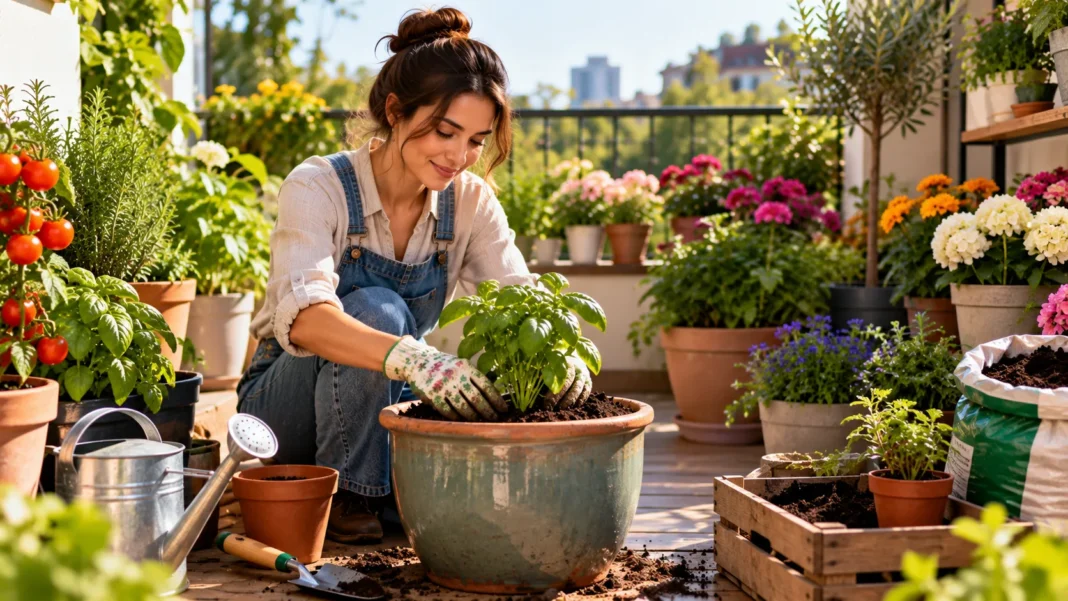

Container gardening is one of the easiest ways to grow healthy plants without needing a large garden or backyard. Whether you have a small balcony, patio, rooftop, or sunny window, you can grow beautiful flowers, fresh vegetables, and useful herbs in containers. However, getting bigger and healthier plant growth requires more than simply placing seeds in a pot and watering them regularly.
Many beginners struggle with slow-growing plants, yellow leaves, weak roots, and poor harvests. These problems often happen because of incorrect container sizes, poor soil quality, irregular watering, or insufficient sunlight. The good news is that a few simple changes can make a noticeable difference in how well your plants grow.
Choose the Right Container Size for Better Plant Growth
The size of your container directly affects how much space plant roots have to develop. When roots become crowded, plants may struggle to absorb enough water and nutrients. Choosing a suitable container gives roots room to grow and helps support healthy leaves, stronger stems, and better overall development.
Small herbs may grow well in compact pots, while tomatoes, peppers, and other productive vegetables generally need larger containers. The ideal size depends on the plant variety and its mature root system. Always check the growing requirements of your chosen plants before selecting their containers.
Avoid using unnecessarily large containers for very small plants, especially when the potting mix retains excessive moisture. Oversized containers can remain wet for too long when roots absorb only a small amount of water. A properly sized pot provides a better balance between root development, moisture retention, and drainage.
Use High-Quality Potting Mix Instead of Garden Soil
Choosing the right growing medium is one of the most important container gardening tips for bigger plant growth. Ordinary garden soil can become compacted inside pots, reducing airflow around roots and slowing drainage. A quality potting mix is generally lighter and designed to support healthy root development.
Most container plants benefit from a mixture that holds enough moisture while allowing excess water to drain. Ingredients such as composted organic matter, coconut coir, peat alternatives, and perlite can help create suitable growing conditions. Different plants may need different combinations depending on their moisture preferences.
Avoid filling containers with heavy clay soil or materials that become tightly packed after watering. These conditions can restrict oxygen movement and contribute to unhealthy roots. Choose a potting mix designed for your plant type and refresh or replace it when its structure deteriorates.
Make Sure Every Container Has Proper Drainage
Good drainage protects plant roots from sitting in waterlogged conditions for extended periods. When excess water cannot escape, the growing medium may lose important air spaces. This can weaken roots and increase the risk of root diseases, especially in plants that prefer moderately moist soil.
Choose containers with drainage holes at the bottom so unnecessary water can flow away. If you use decorative pots without holes, place plants inside separate nursery containers with proper drainage. Remove standing water from outer pots or saucers rather than allowing roots to remain submerged.
Avoid placing thick layers of gravel or stones at the bottom of pots to improve drainage. This practice does not reliably solve drainage problems and can reduce available growing space. Using an appropriate potting mix and suitable drainage holes is a more effective way to maintain healthy root conditions.
Give Your Container Plants Enough Sunlight
Sunlight provides the energy plants need for photosynthesis, which supports healthy growth and development. Without adequate light, plants may produce weak stems, pale leaves, and limited flowers or fruit. Understanding the sunlight requirements of each plant helps you choose the best location for your containers.
Many vegetables, including tomatoes and peppers, generally perform best with at least six hours of direct sunlight daily. Leafy greens and certain herbs may tolerate less direct sun, particularly in warmer climates. Requirements vary by plant variety, temperature, and growing conditions.
Observe your balcony, patio, or garden throughout the day to identify sunny and shaded areas. Position plants according to their individual needs rather than placing every container together. During extreme heat, some plants benefit from afternoon shade to reduce stress and excessive moisture loss.
Water Container Plants the Right Way
Proper watering is essential because container plants have limited soil volume and can dry out more quickly than plants growing in the ground. However, watering too frequently can also create problems. The goal is to provide enough moisture for healthy growth without keeping the potting mix constantly saturated.
Check soil moisture before watering by feeling the growing medium below the surface. When the upper layer has dried to the level appropriate for your plant, water thoroughly until excess moisture begins draining from the bottom. This encourages more even moisture throughout the root area.
Watering needs change with temperature, container size, plant type, and weather conditions. Plants may need more frequent attention during hot, windy days and less during cooler periods. Instead of following a rigid schedule, observe the soil and plant conditions to determine when watering is necessary.
Feed Your Plants With the Right Fertilizer
Container plants depend on a limited supply of nutrients within their potting mix. Over time, these nutrients may become depleted or wash away during watering. Providing suitable fertilizer helps support healthy leaves, root development, flowering, and fruit production when nutrients are insufficient.
Different plants have different nutrient requirements. Leafy vegetables often benefit from adequate nitrogen, while flowering and fruiting plants need a balanced supply of essential nutrients. Choose fertilizer according to plant type, growing stage, and product instructions rather than assuming that more fertilizer produces faster growth.
Overfertilizing can damage roots, cause leaf problems, and contribute to excessive salt buildup in containers. Follow recommended application rates and avoid feeding plants unnecessarily. A consistent, balanced approach usually supports healthier growth than frequent applications of concentrated fertilizer.
Improve Root Growth for Stronger Plants
Healthy roots form the foundation of vigorous container plants. They absorb water and nutrients while anchoring the plant in its growing medium. When roots have adequate space, oxygen, and moisture, they can support stronger stems, healthier foliage, and more reliable growth.
Root problems often develop when containers become overcrowded or remain excessively wet. Signs of restricted roots may include slower growth, unusually rapid drying, or roots emerging through drainage holes. However, these symptoms can have several causes, so examine the plant carefully before taking action.
If a plant has genuinely outgrown its container, move it into a slightly larger pot with fresh growing medium. Handle the root system gently and avoid unnecessary damage. Repotting at an appropriate time gives roots additional space and helps plants continue developing under suitable conditions.
Choose the Best Plants for Container Gardening
Selecting suitable plants makes container gardening easier and improves the chances of successful growth. Some varieties naturally perform better in limited spaces because they have compact root systems or manageable mature sizes. Choosing plants adapted to containers helps avoid unnecessary maintenance problems.
Herbs such as basil, parsley, mint, and thyme can grow successfully in pots when their individual needs are met. Leafy vegetables, strawberries, dwarf tomatoes, and compact pepper varieties are also popular options. Flowers such as petunias and marigolds can provide attractive displays in suitable containers.
Consider your available sunlight, climate, container space, and watering routine before selecting plants. A sunny balcony may support vegetables that require direct light, while a partially shaded area may suit certain leafy greens. Matching plants to their environment is more effective than trying to force unsuitable varieties to grow.
Maintain Proper Spacing Between Container Plants
Overcrowding can reduce plant growth by creating competition for sunlight, nutrients, water, and root space. When several plants share a small container, their roots may become tangled and crowded. Leaves can also overlap excessively, reducing airflow and increasing moisture-related problems.
Check the recommended spacing requirements for each plant before sowing seeds or transplanting seedlings. Although planting several seeds together may seem productive, thinning crowded seedlings often improves the growth of those that remain. Giving each plant enough room supports stronger development and easier maintenance.
For mixed containers, select plants with compatible light, water, and growing requirements. Avoid combining vigorous plants with small varieties that may become overwhelmed. Thoughtful spacing creates a more balanced growing environment and allows each plant to receive the resources needed for healthy growth.
Prune and Trim Plants to Encourage Healthy Development
Pruning helps manage plant shape, remove damaged growth, and improve airflow around leaves. Some plants also respond to selective trimming by producing additional branches. However, the benefits depend on plant type, and excessive pruning can reduce growth by removing too much healthy foliage.
For herbs such as basil, pinching suitable growing tips can encourage a bushier appearance. Removing dead or diseased leaves may also help maintain plant health. Always use clean tools and learn the correct pruning method for your particular plant before removing significant growth.
Avoid pruning every plant in the same way. Tomatoes, flowering plants, leafy greens, and woody herbs can have different requirements. Focus on removing unhealthy material and making careful adjustments when necessary, rather than cutting plants frequently in an attempt to force faster growth.
Protect Container Plants From Extreme Temperatures
Container plants can experience rapid temperature changes because their roots are surrounded by relatively small amounts of growing medium. During hot weather, dark containers exposed to direct sunlight may become unusually warm. Excessive root temperatures and moisture loss can slow growth and stress plants.
Move sensitive containers into partial shade during periods of extreme heat when appropriate. Grouping pots together can sometimes help reduce exposure, although plants still need suitable airflow. Water management is especially important during hot conditions because small containers can dry out quickly.
Cold weather can create different problems, particularly for tropical plants and tender vegetables. Containers offer less insulation than garden soil, making roots more vulnerable to freezing conditions. Moving portable pots to protected locations or using appropriate seasonal protection can help reduce temperature-related damage.
Use Mulch to Maintain Healthy Soil Moisture
Mulching is a simple technique that can help reduce moisture loss from container potting mixes. A thin layer of suitable organic material covers the soil surface and limits direct exposure to sunlight and wind. This can be particularly helpful during warm weather when containers dry out quickly.
Materials such as fine bark, clean straw, or other suitable organic mulches may be used depending on the plant. Apply a light layer without burying stems or covering the growing medium too deeply. Maintaining a little space around plant bases helps reduce conditions that encourage excessive moisture buildup.
Mulch does not replace proper watering or drainage, but it can make moisture management easier. Check the potting mix beneath the mulch rather than judging moisture from the surface alone. Combining mulching with regular soil checks supports more consistent growing conditions for container plants.
Prevent Common Pests and Plant Diseases
Healthy container plants can still experience pest problems, including aphids, spider mites, whiteflies, and other insects. Regular observation helps you identify problems before they become severe. Inspect leaf surfaces, stems, and new growth for unusual spots, discoloration, or visible insects.
Good growing conditions are an important part of pest prevention. Avoid overcrowding containers, remove damaged plant material, and maintain appropriate watering practices. When problems appear, identify the cause before choosing a treatment because nutrient deficiencies, environmental stress, and pests can produce similar symptoms.
For minor infestations, suitable nonchemical methods may include removing affected leaves or gently washing certain pests from plants. More serious problems may require products specifically labeled for the plant and pest involved. Follow product instructions carefully, particularly when treating vegetables or herbs intended for eating.
Repot Container Plants at the Right Time
Repotting gives plants additional space when their roots outgrow the current container. It can also provide an opportunity to replace deteriorated growing media and inspect root health. However, moving plants unnecessarily may cause temporary stress, so repotting should be based on actual growing needs.
Common signs that repotting may be necessary include crowded roots, unusually frequent watering needs, and reduced growth despite appropriate care. Gently checking the root ball can help confirm whether roots are tightly circling the container. Remember that some plants naturally prefer relatively compact growing conditions.
When repotting, select a container only moderately larger than the original one. Add suitable fresh potting mix, position the plant at the correct depth, and water appropriately afterward. Avoid damaging healthy roots, and provide suitable light and temperature conditions while the plant adjusts.
Grow Vegetables Successfully in Containers
Vegetable gardening in containers allows people with limited outdoor space to grow fresh food at home. Tomatoes, peppers, lettuce, radishes, and several herbs can perform well when given suitable growing conditions. Choosing compact varieties and appropriately sized pots helps make vegetable production more manageable.
Most fruiting vegetables require substantial sunlight, consistent watering, and adequate nutrition. Some plants also need stakes, cages, or other supports as they develop. Providing these supports early can help prevent stems from bending under the weight of growing leaves and fruit.
Harvest vegetables according to their maturity rather than leaving produce on plants indefinitely. Regular harvesting can encourage continued production in some crops, including certain herbs and vegetables. Keeping plants healthy throughout their growing period helps improve the quality and reliability of your container harvest.
Common Container Gardening Mistakes to Avoid
One of the most common mistakes is overwatering plants without checking soil moisture. Excessive watering can limit oxygen around roots and encourage disease development. Another frequent problem is using containers without proper drainage, which allows water to collect at the bottom and creates unhealthy growing conditions.
Choosing unsuitable potting soil and ignoring sunlight requirements can also limit plant development. Heavy garden soil may compact inside containers, while insufficient light can produce weak stems and slow growth. These problems often become more noticeable as plants mature and require additional resources.
Overfertilizing, overcrowding, and delaying necessary repotting are other mistakes that gardeners should avoid. Strong growth depends on balanced conditions rather than one special technique. Observing your plants regularly and adjusting care according to their needs is usually the best way to prevent recurring problems.
Create a Simple Container Gardening Care Routine
A consistent care routine makes it easier to maintain healthy container plants without spending excessive time on maintenance. Start by checking soil moisture and observing leaves for unusual changes. These simple inspections can reveal watering problems, pests, or environmental stress before they become serious.
Set aside time each week to remove damaged leaves, inspect drainage, and check whether growing plants need additional support. Review fertilizer schedules according to product instructions and plant requirements. During hot weather, increase the frequency of moisture checks because containers can lose water rapidly.
Keep basic notes about watering, feeding, repotting, and plant performance. These records can help identify which growing conditions produce the best results in your space. Over time, a simple routine becomes easier to maintain and supports stronger, more consistent plant growth throughout the season.
Conclusion
Successful container gardening depends on providing plants with the right growing environment. Choosing suitable containers, using quality potting mix, maintaining drainage, and providing adequate sunlight all contribute to stronger root development. These essential practices create the foundation for healthy foliage, productive vegetables, and attractive flowering plants.
Consistent watering, balanced fertilization, and regular plant inspections are equally important for long-term results. Small adjustments to moisture, spacing, and container size can often improve growing conditions significantly. Understanding each plant’s individual needs helps prevent common problems and makes gardening more enjoyable.
Whether you are growing herbs on a windowsill or vegetables on a sunny balcony, the right container gardening tips can help you achieve bigger and healthier plant growth. Start with a few suitable plants, observe their progress, and improve your routine as you gain experience. With patience and proper care, even a small space can become a productive garden.
Frequently Asked Questions
How can I make my container plants grow bigger?
Choose appropriately sized containers, use quality potting mix, provide sufficient sunlight, and maintain consistent watering. Balanced fertilization and healthy root conditions also support stronger growth and development.
What is the best soil for container gardening?
A lightweight, well-draining potting mix designed for container plants is usually the best choice. It should retain suitable moisture while providing enough airflow around roots to support healthy development.
How often should I water container plants?
Watering frequency depends on plant type, weather, container size, and soil moisture. Check the growing medium regularly and water when it reaches the appropriate dryness level for your plant.
Do container plants need fertilizer to grow well?
Many container plants benefit from fertilizer because nutrients in the growing medium can become depleted over time. Choose a suitable product and follow application instructions to avoid overfertilizing.
Why are my container plants not growing properly?
Slow growth may result from insufficient sunlight, restricted roots, poor drainage, incorrect watering, or nutrient problems. Check the growing conditions carefully to identify the most likely cause before making changes.

