
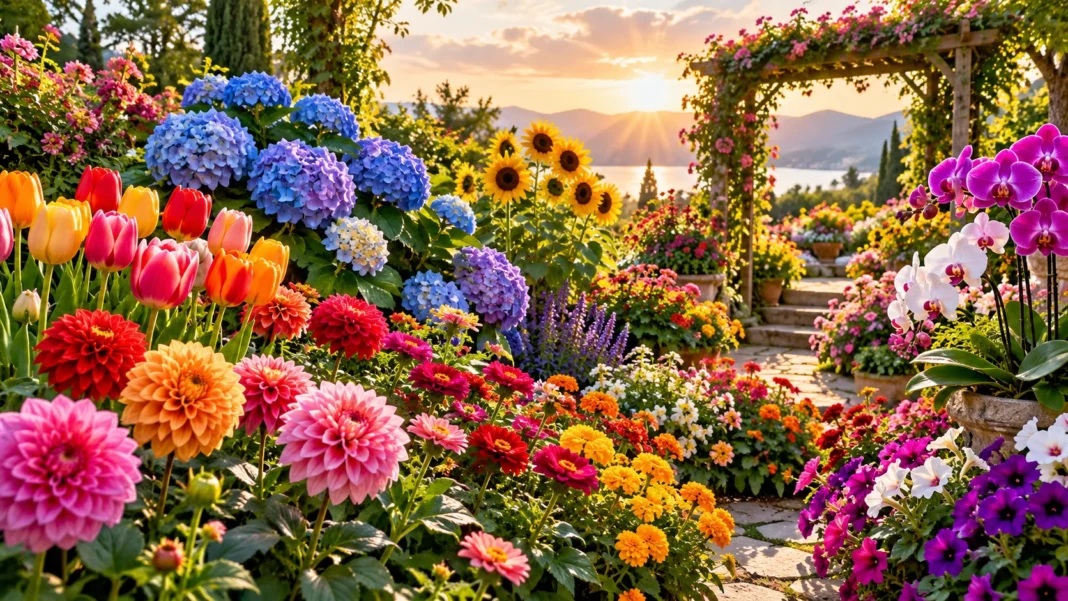

Flowers are among nature’s most beautiful creations, bringing vibrant colors, interesting shapes, and natural charm to gardens and outdoor spaces. From bright red roses to cheerful yellow sunflowers, flowering plants can transform ordinary landscapes into colorful displays. Their beauty makes them popular choices for home gardens, balconies, flower arrangements, and special occasions throughout the year.
But what are the most colorful flowers? The answer depends on the varieties you choose, their growing conditions, and the combination of colors you prefer. Some flowers produce brilliant shades of red, orange, yellow, and purple, while others feature delicate pastels or multiple colors within a single bloom. These differences make flower gardening an exciting and creative activity.
Whether you are planning a colorful flower garden or simply want to learn about beautiful flowering plants, understanding different flower varieties can help. This guide explores some of the most colorful flowers, their distinctive features, growing requirements, and practical care tips. You will also discover how to combine flowers for an attractive garden that changes beautifully with the seasons.
Why Are Some Flowers More Colorful Than Others?
Flower colors are produced by natural pigments found within plant cells. Anthocyanins contribute many red, purple, and blue shades, while carotenoids produce numerous yellow, orange, and red colors. Different combinations of pigments create the impressive range of flower colors found in gardens and natural environments.
Genetics plays a major role in determining the colors that particular flowers produce. Selective breeding has also allowed horticulturists to develop varieties with distinctive shades, patterns, and combinations. Some flowers feature contrasting centers, colored edges, or stripes that make their petals especially noticeable.
Environmental conditions can influence how flowers develop and appear. Sunlight, temperature, soil conditions, and plant health may affect flower intensity or overall appearance in certain species. However, providing extra sunlight or changing soil conditions cannot make every flower produce colors outside its genetic characteristics.
1. Roses: Classic Flowers With Beautiful Colors
Roses are among the world’s most recognizable flowering plants, admired for their layered petals and wide variety of colors. Garden varieties are available in red, pink, yellow, orange, white, lavender, and combinations of multiple shades. Their elegant appearance makes them popular in ornamental gardens and floral arrangements.
Different rose varieties produce flowers with distinctive shapes, fragrances, and growth habits. Hybrid tea roses often feature large individual blooms, while floribunda roses produce clusters of colorful flowers. Climbing roses can also create attractive displays along suitable garden structures when given appropriate support.
Most garden roses grow best with several hours of direct sunlight and soil that drains well. Regular watering, appropriate pruning, and adequate airflow help support healthy growth. Choosing varieties suited to your local climate can make roses easier to maintain while encouraging beautiful seasonal blooms.
2. Tulips: Bright and Elegant Spring Flowers
Tulips are famous for their elegant cup-shaped flowers and impressive range of colors. They bloom in shades of red, yellow, pink, purple, orange, white, and nearly black. Some varieties also feature striped or contrasting petals, creating especially attractive displays during spring.
These flowers are commonly associated with spring gardens and large seasonal flower exhibitions. Tulips grow from bulbs that are typically planted during autumn in suitable climates. Their upright stems and distinctive shapes make them excellent choices for flower beds, containers, and decorative arrangements.
Tulips generally perform best in well-drained soil with suitable sunlight during their growing season. Many varieties require a period of winter chilling to bloom properly. Gardeners in warmer climates may need specially prepared bulbs or may grow tulips as seasonal flowers rather than reliable perennials.
3. Dahlias: Flowers With an Incredible Range of Colors
Dahlias are among the most colorful ornamental flowers, producing blooms in numerous shapes, sizes, and shades. Their colors include bright red, orange, yellow, pink, purple, white, and many combinations. Some varieties feature large rounded flowers, while others display pointed or tightly arranged petals.
These flowers are especially popular in summer and autumn gardens because many varieties continue blooming over an extended period. Decorative dahlias, cactus dahlias, and pompon dahlias offer different appearances. This diversity allows gardeners to create visually interesting flower beds using several varieties of the same plant.
Dahlias generally prefer full sunlight, fertile soil, and consistent moisture without waterlogging. Taller varieties may require support to keep their stems upright. In regions with freezing winters, gardeners often lift and store the tubers until conditions become suitable for planting again.
4. Zinnias: Cheerful Flowers for Colorful Gardens
Zinnias are popular annual flowers known for their brilliant colors and relatively straightforward growing requirements. They produce blooms in red, orange, yellow, pink, purple, and white, along with several mixed-color varieties. Their cheerful appearance makes them especially attractive in summer flower beds and container gardens.
Many zinnia varieties bloom continuously during warm weather when growing conditions are suitable. Their flowers can attract butterflies and other pollinating insects, adding movement to outdoor spaces. Zinnias also make excellent cut flowers because their sturdy stems and colorful blooms work well in arrangements.
These plants usually grow best in full sunlight and soil with good drainage. Watering near the base of the plants can help keep foliage dry and reduce certain disease problems. Removing faded flowers may encourage continued blooming, allowing gardeners to enjoy colorful displays for longer periods.
5. Sunflowers: Bright Yellow and Multicolored Blooms
Sunflowers are widely recognized for their large blooms and cheerful yellow petals surrounding darker central discs. However, ornamental varieties are also available in orange, bronze, red, and combinations of different shades. Their bold appearance makes them impressive additions to gardens, fields, and outdoor landscapes.
Sunflowers vary considerably in height and flower size. Some tall varieties grow several feet high, while compact types are suitable for containers and smaller garden spaces. Their flowers provide pollen and nectar resources for pollinators, and certain varieties produce seeds that attract birds.
Most sunflowers prefer full sunlight and soil that drains well. They are commonly grown from seeds planted after the danger of frost has passed. Tall varieties may need protection from strong winds, while regular watering during establishment helps support healthy growth and flower development.
6. Petunias: Colorful Flowers for Pots and Hanging Baskets
Petunias are popular flowering plants because they produce abundant blooms in a remarkable variety of colors. Their flowers may be pink, purple, red, blue-violet, white, yellow, or multicolored. Some varieties feature stripes, contrasting edges, or decorative patterns that make them especially appealing.
These flowers are commonly used in hanging baskets, window boxes, patio containers, and garden borders. Trailing petunias can spread over container edges, creating attractive displays of colorful flowers. Their relatively long flowering season makes them suitable for adding consistent color during warm months.
Petunias generally need plenty of sunlight, regular watering, and suitable growing media. Container plants may require more frequent watering because their soil dries quickly. Removing faded flowers is beneficial for some varieties, although many modern petunias are bred to continue blooming with less maintenance.
7. Marigolds: Brilliant Orange and Yellow Flowers
Marigolds are cheerful garden flowers commonly grown for their bright yellow, orange, gold, and reddish blooms. Their compact growth and dependable flowering habits make them popular in ornamental beds and containers. Some varieties feature large rounded flower heads, while others produce smaller blooms with contrasting colors.
African marigolds often develop larger flowers, while French marigolds are usually more compact and may display attractive multicolored petals. Both groups can brighten outdoor spaces throughout the warmer growing season. Their strong colors work particularly well alongside purple, blue, or white flowering plants.
Marigolds generally prefer full sunlight and well-drained soil. They are relatively easy to grow from seeds and can tolerate some dry conditions after becoming established. Regular watering during prolonged dry periods and removing spent blooms can help maintain healthy plants and attractive flowering displays.
8. Hibiscus: Tropical Flowers With Bold Colors
Hibiscus flowers are known for their large petals and striking tropical appearance. Depending on the species and variety, blooms can appear in red, pink, yellow, orange, white, and multicolored combinations. Their prominent central structures and impressive flower size make them attractive focal points in gardens.
Tropical hibiscus varieties are popular in warm regions and often produce flowers over an extended season. Hardy hibiscus species can also grow in colder climates and may produce exceptionally large blooms. The plants differ in size and growing requirements, so choosing a suitable species is important.
Most hibiscus plants appreciate suitable sunlight, adequate moisture, and fertile soil. Tropical varieties generally require protection from freezing temperatures, while hardy species can tolerate much colder winters. Regular observation helps gardeners manage pests, watering needs, and seasonal changes in plant growth.
9. Pansies: Small Flowers With Colorful Patterns
Pansies are beautiful cool-season flowers known for their rounded petals and distinctive color combinations. They appear in purple, yellow, blue, orange, red, white, and numerous mixed patterns. Some varieties feature dark markings near the center, creating an appearance often described as a small face.
These compact flowers are particularly useful for containers, flower borders, and seasonal displays. In many temperate climates, pansies thrive during cooler spring and autumn weather. Their bright colors can provide garden interest when warm-season flowering plants are not performing well.
Pansies generally prefer fertile, well-drained soil and consistent moisture. They often perform best in full sun during cool weather but may benefit from afternoon shade in warmer conditions. Removing faded flowers can encourage new blooms and help maintain an attractive appearance throughout the growing season.
10. Gerbera Daisies: Bright Flowers With Bold Petals
Gerbera daisies are admired for their large, symmetrical flowers and exceptionally vibrant colors. Common shades include red, orange, yellow, pink, and white, along with softer pastel varieties. Their prominent central discs create a beautiful contrast with the surrounding petals, making them popular decorative flowers.
These plants are frequently grown in garden containers and commercial flower production. Their long stems and striking appearance make gerbera daisies popular for bouquets and indoor arrangements. Compact varieties can also add cheerful color to patios, balconies, and suitable outdoor flower beds.
Gerbera daisies usually prefer bright sunlight, well-drained soil, and careful watering. Excess moisture around the crown can encourage plant diseases, so appropriate drainage is especially important. In cooler regions, they may be grown as seasonal plants or protected during winter, depending on the variety.
11. Hydrangeas: Color-Changing Garden Flowers
Hydrangeas are well-known for their large flower clusters and attractive pastel or vibrant colors. Depending on the species and variety, their blooms can appear in blue, pink, purple, white, and greenish shades. These flowering shrubs create impressive displays in garden borders and landscaped outdoor areas.
Some bigleaf hydrangeas are famous for changing flower color according to soil chemistry. Acidic conditions that make aluminum available can encourage blue flowers in suitable varieties, while other conditions may produce pink blooms. However, not all hydrangeas change color, and white varieties generally remain white.
Hydrangeas often prefer moist, well-drained soil and protection from intense afternoon sunlight in warmer regions. Their pruning requirements vary because some flower on older stems while others bloom on new growth. Understanding the specific variety helps prevent accidental removal of future flower buds.
12. Orchids: Exotic Flowers With Unique Color Combinations
Orchids are among the most diverse flowering plant families, known for their unusual shapes and beautiful color patterns. Their flowers may appear in purple, pink, yellow, white, orange, and various combinations. Many orchids feature spots, stripes, or contrasting central structures that create distinctive appearances.
Some orchids produce long-lasting flowers, making them popular indoor decorative plants. Phalaenopsis orchids are especially common because they can thrive indoors when provided with appropriate conditions. Other orchid groups have different growing requirements and may be better suited to specialized environments.
Most commonly cultivated indoor orchids need bright indirect light and suitable air circulation. Their roots often require an airy growing medium rather than ordinary garden soil. Watering needs vary by species, so identifying the orchid type is important for maintaining healthy growth and encouraging future blooms.
13. Ranunculus: Layered Flowers With Vibrant Petals
Ranunculus flowers are admired for their tightly layered petals and beautiful rounded appearance. They grow in shades of yellow, orange, red, pink, purple, and white. Their delicate structure resembles certain roses or peonies, making them popular for decorative gardens and floral arrangements.
These flowers generally bloom during cooler growing seasons, depending on the local climate. Ranunculus can be particularly attractive when planted in groups that combine several colors. Their compact growth and elegant flowers make them suitable for garden borders, containers, and seasonal displays.
Ranunculus plants commonly grow from claw-shaped tuberous roots known as corms. They prefer well-drained soil and suitable sunlight during their active growing period. Excessive moisture can cause problems, so gardeners should avoid waterlogged conditions and follow planting recommendations for their climate.
14. Bougainvillea: Colorful Climbing Plants
Bougainvillea is a spectacular ornamental plant commonly found in warm and tropical regions. Its vibrant appearance comes mainly from colorful bracts surrounding small flowers rather than from large petals. These bracts may appear in magenta, pink, purple, orange, red, yellow, or white.
Bougainvillea can grow as a climbing plant, shrub, or trained ornamental feature. It is often used along walls, fences, and garden structures where its colorful growth creates an impressive display. In suitable climates, established plants may produce repeated bursts of color throughout much of the year.
These plants generally prefer abundant sunlight and soil with good drainage. Once established, many varieties tolerate periods of limited rainfall, although younger plants require more consistent watering. Some bougainvillea varieties have thorns, so gardeners should consider placement carefully around walkways and frequently used outdoor areas.
15. Snapdragons: Beautiful Flowers With Multiple Shades
Snapdragons are distinctive flowering plants known for their tall spikes and unusual blossoms. Their colors include red, pink, yellow, orange, purple, white, and mixed combinations. The flowers have a recognizable shape that gives the plant its common name and makes it especially appealing in ornamental gardens.
These flowers work well in garden borders, containers, and traditional cottage-style landscapes. Taller snapdragon varieties can add vertical interest, while dwarf types are suitable for smaller spaces. Planting several colors together creates an attractive display that contrasts with lower-growing flowering plants.
Snapdragons generally prefer well-drained soil and suitable sunlight. They often perform best during cooler weather, although flowering periods depend on the variety and local climate. Regular watering and removing spent flowers can help maintain plant health and encourage continued blooming under favorable conditions.
How to Choose the Most Colorful Flowers for Your Garden
Choosing colorful flowers begins with understanding your garden’s growing conditions. Sunlight, soil drainage, temperature, and available space determine which plants are likely to perform well. Flowers that thrive in warm, sunny areas may struggle in shaded gardens, while cool-season plants may perform poorly during intense summer heat.
Consider combining flowers with different heights, textures, and blooming periods. Taller sunflowers or dahlias can provide background interest, while compact marigolds, pansies, and petunias can brighten garden edges. Selecting plants that bloom at different times helps maintain seasonal color rather than concentrating every flower into one short period.
Personal preference should also guide your choices. Some gardeners enjoy bold combinations of red, orange, and yellow, while others prefer softer pink, blue, and purple arrangements. There is no single correct color scheme, so experimenting with suitable plants can help create a garden that reflects your individual style.
Essential Tips for Growing Healthy and Colorful Flowers
Healthy flowering plants generally require suitable sunlight, water, nutrients, and soil conditions. Before planting, learn about the specific needs of each flower variety. Providing the correct environment supports stronger growth and makes it easier for plants to produce blooms during their normal flowering season.
Watering practices should reflect the plant type, weather, and soil drainage. Some flowers prefer consistently moist soil, while others tolerate drier conditions after becoming established. Applying appropriate fertilizer when necessary can support growth, but excessive feeding may encourage foliage at the expense of flowers.
Regular maintenance also helps maintain attractive garden displays. Removing damaged plant material, checking for pests, and providing support for taller stems can prevent avoidable problems. Most importantly, choosing flowers suited to the local climate makes long-term gardening more manageable and enjoyable.
Conclusion
The most colorful flowers include roses, tulips, dahlias, zinnias, sunflowers, petunias, marigolds, hibiscus, pansies, and many other beautiful varieties. Each offers distinctive colors, shapes, and blooming characteristics. Combining several flower types can create vibrant displays that bring natural beauty to gardens, balconies, and outdoor spaces.
Choosing the right flowers depends on the available sunlight, climate, soil conditions, and individual preferences. Some plants perform best during warm summer months, while others provide color in cooler seasons. Understanding their growing requirements helps gardeners develop healthy plants and enjoy longer-lasting floral displays.
Whether you prefer bold tropical flowers or delicate pastel blooms, colorful gardening offers opportunities for creativity and relaxation. Start with varieties suited to your environment, experiment with different combinations, and maintain consistent plant care. With thoughtful planning, even a small garden can become a beautiful collection of vibrant flowers.
Frequently Asked Questions (FAQs)
What are the most colorful flowers in the world?
Some of the most colorful flowers include dahlias, roses, tulips, zinnias, orchids, hibiscus, and ranunculus. These plants are available in numerous vibrant shades and attractive combinations.
Which flowers come in the most colors?
Roses, dahlias, tulips, petunias, and zinnias offer exceptionally wide color ranges. Different cultivated varieties produce bright, pastel, and multicolored flowers, making them popular choices for colorful gardens.
What are the easiest colorful flowers to grow?
Marigolds, zinnias, sunflowers, and many petunia varieties are relatively beginner-friendly in suitable climates. They generally perform well when provided with appropriate sunlight, drainage, watering, and basic maintenance.
Which colorful flowers bloom the longest?
Zinnias, petunias, marigolds, and certain rose varieties can bloom over extended periods in favorable conditions. Their exact flowering seasons depend on local temperatures, plant varieties, and care practices.
Can flowers naturally change their colors?
Yes, some flowers change appearance as they mature or respond to environmental conditions. Certain bigleaf hydrangeas can produce blue or pink flowers depending partly on soil chemistry and aluminum availability.


[…] What Are the Most Colorful Flowers? A Simple Guide […]